

Why Brazil's Beef Sector Faces a Two-Year Exile From Europe
A strict European Union ban on Brazilian animal products over antimicrobial tracking rules will last at least two years due to cattle lifecycle requirements.
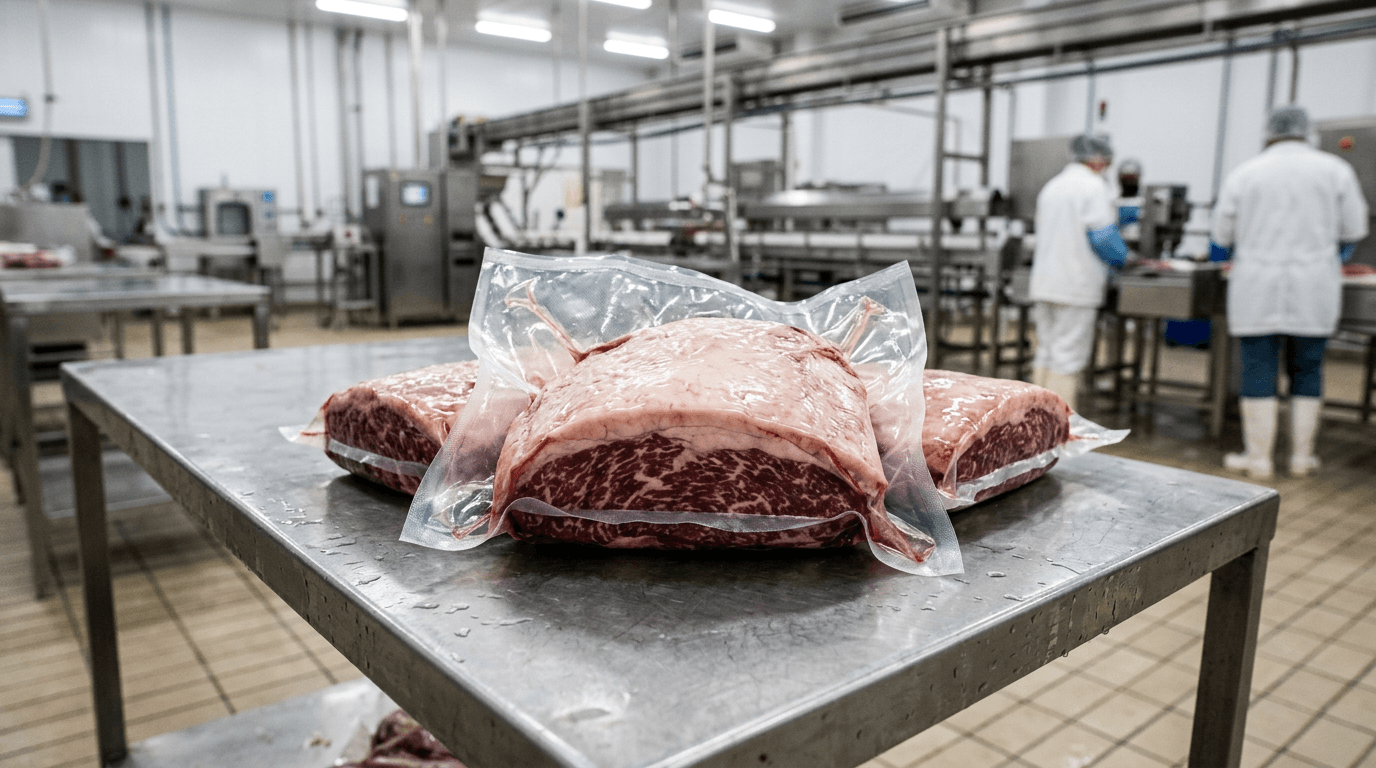
Brazil’s premium beef exporters are facing a prolonged lockout from their most lucrative export market. The European Union’s ban on Brazilian animal products, which took effect on September 3, 2026, is now expected to last at least two years. The timeline is not merely a diplomatic hurdle but a biological one, structurally tied to the natural lifecycle of cattle.
The European Union removed Brazil from its list of authorized exporters after determining that the country had insufficient controls over the use of veterinary medicines. Specifically, the EU now demands absolute proof that animals destined for European dinner plates did not receive prohibited antimicrobials or growth promoters at any point in their lives. Because the typical production and monitoring cycle for Brazilian beef cattle lasts approximately two years from birth to slaughter, any herd hoping to qualify for European export must be tracked under these strict rules for its entire lifetime.
The administrative and biological reality of this rule was confirmed by Jean-Pierre Bou, the EU’s Deputy Head of Delegation in Brazil. In an interview with Brazilian news outlet g1, Bou explained that because European requirements involve monitoring animals throughout virtually their entire production cycle, resuming beef trade before a two-year window is "difficult" to envision. While Brazilian industry groups have lobbied the federal government to negotiate a temporary transition period, European authorities have shown little willingness to compromise on food safety standards.
For Brazil, the world’s largest beef exporter, the ban is less about total volume and more about prestige and profit margins. The EU accounts for only 5.8% of Brazil's beef export value, but it acts as a critical global regulatory benchmark. Furthermore, European buyers pay premium prices—averaging around $10 per kilogram for high-value cuts, compared to the $6.50 per kilogram typically paid by China, Brazil's largest volume buyer.
Without access to Europe, premium meatpackers are being forced to divert high-value cuts to alternative markets, such as the United States and the Middle East, or sell them domestically at lower prices. The ban also adds pressure to a sector already grappling with trade bottlenecks elsewhere, including China's recent activation of high tariffs on shipments exceeding its annual import quota.
What it touches
The two-year European ban directly impacts Brazil's major publicly traded meatpacking giants, which rely on European certification as a stamp of quality for global trade. Companies with extensive premium beef export operations in South America, including JBS (JBSS3), Minerva (BEEF3), and Marfrig (MRFG3), face the complex task of segregating their supply chains and redirecting premium cuts to less lucrative markets while they work to establish the multi-year tracking systems now required by Brussels.
Latest articles
 New Brazilian Labor Rules and High Interest Rates Squeeze RetailersBrazil's new 5x2 workweek decree and a high Selic rate squeeze retailers and fintechs, while Lula clashing with markets adds to fiscal caution.
 Bank of America Warns Brazil Must Pass Fiscal Cuts to Keep CapitalBank of America warns that foreign capital inflows to Brazil depend on its upcoming fiscal cuts, keeping its year-end 2027 exchange rate target at 5.85 reais.
 Yield Gap Between U.S. and Brazil Real Holds Steady at 9.75 PointsThe interest rate spread between the U.S. and Brazil holds at 9.75 percentage points, offering a stable yield premium for foreign dollar investors.