
São Paulo Governor Tarcísio de Freitas Set for Re-Election, Boosting Brazil’s Pro-Privatization Agenda
Governor Tarcísio de Freitas's commanding lead in São Paulo signals a significant endorsement of pro-market policies and a counterweight to the federal government.
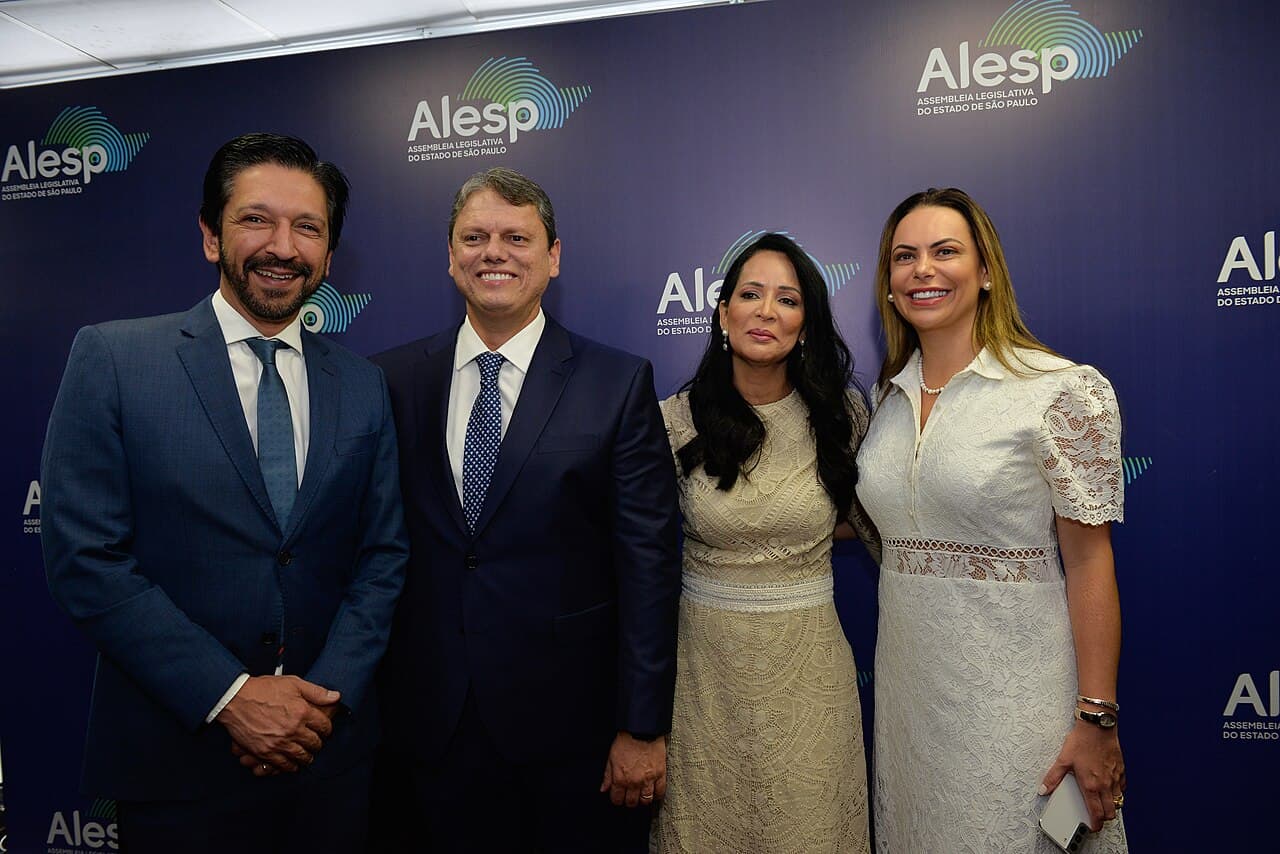
Governor Tarcísio de Freitas is positioned for a first-round victory in Brazil's most economically powerful state, São Paulo, reinforcing the national conservative movement and its platform of economic liberalization. The incumbent, a right-wing figure from the Republicanos party and a former minister under Jair Bolsonaro, holds a commanding lead over his main challenger, Fernando Haddad of the leftist Workers' Party (PT).
A Quaest poll released on September 29, 2026, showed Mr. de Freitas leading the first-round vote with 44%, compared to Mr. Haddad’s 24%. This strong margin is consistent with a Datafolha survey released a week earlier, which showed the Governor securing 56% of valid votes, suggesting a high likelihood of avoiding a runoff and winning an outright mandate.
The likely re-election of Mr. de Freitas in the country's economic engine is significant because it provides a powerful counter-narrative and policy example to the current federal government in Brasília. While President Luiz Inácio Lula da Silva’s administration has generally favored increasing the role of the state and reversing some privatizations, the Governor of São Paulo has championed the sale of state-owned assets.
Mr. de Freitas has made the privatization of the Companhia de Saneamento Básico do Estado de São Paulo, known as SABESP, the flagship of his administration, calling it his "most transformative" project. The governor argues that transferring the state water and sanitation utility to private control is essential for attracting the investment needed to achieve universal access goals and ensure water security. His strong re-election mandate would be seen by investors and the political class as a clear public endorsement of this pro-market approach, cementing his status as a major figure for the national conservative movement.
This outcome would solidify São Paulo’s role as the primary laboratory for privatization and infrastructure concessions in Brazil politics. For the federal government, the decisive re-election of a key conservative opposition leader will make it more difficult to push for state-centric economic policies, as the country’s largest state operates on a distinctly different economic liberalization model. The focus now shifts to whether this result gives Tarcísio de Freitas greater leverage to advance the sale of other state-owned companies and services over the next four years.
What it touches
The strong showing for Governor de Freitas directly impacts assets related to São Paulo Governor policy and infrastructure. The most exposed asset is SABESP (SBSP3 on the B3 stock exchange), which completed its privatization process under his first term. The outcome also signals continuity and an expanded pipeline for further infrastructure concessions and partnerships across the state, which is generally viewed positively by international investors in the Brazil economy.
Related coverage
Politics
Brazil’s Highest Labor Court Rules Caixa Strike ‘Non-Abusive,’ Bars Wage Discounting
Published
Politics
Brazil’s 33% Tax-to-GDP Ratio is a ‘Self-Imposed Tariff’ Killing Global Competitiveness, Says Economist Marcos Troyjo
Published
Politics
Simone Tebet Sues Bolsonaro Son for 'Political Violence Against Women'
Published