
Lula’s Betting Ban Sparks ‘Electoral Opportunism’ Fire from São Paulo Governor Tarcísio
São Paulo Governor Tarcísio de Freitas escalated the political fight with President Lula by criticizing a surprise ban on online sports betting days before the election.
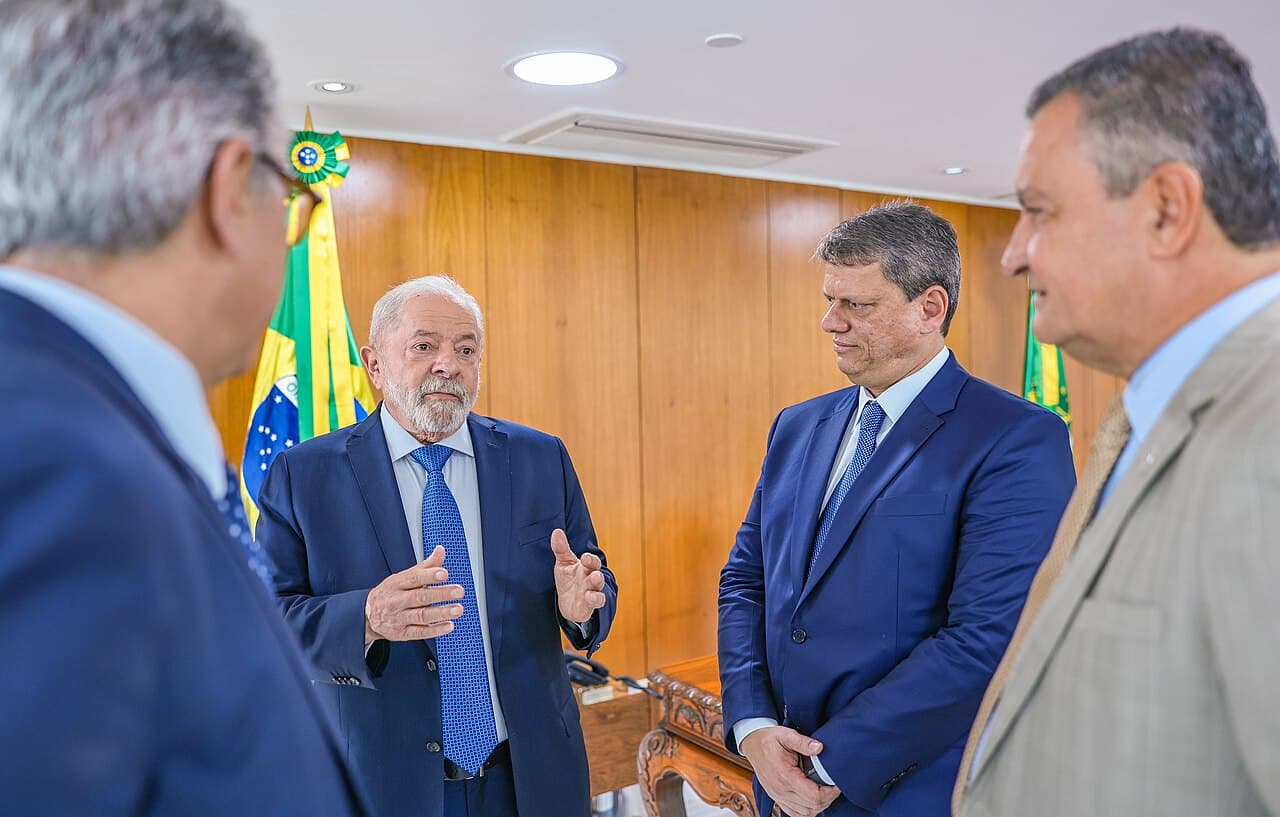
The governor of Brazil's largest and wealthiest state, Tarcísio de Freitas, has called President Luiz Inácio Lula da Silva’s sudden ban on online sports betting an act of “electoral opportunism,” escalating the political tension between the country's two dominant political poles just days before a critical national election. The ban, implemented via a Provisional Measure (MP) in late September, instantly upended Brazil’s multi-billion-dollar legal betting industry.
Governor Tarcísio, a key ally of former President Jair Bolsonaro, criticized the timing and mechanism of the move. He acknowledged that he is personally opposed to gambling, but argued that the Lula administration only developed a “sense of urgency” to act now, warning that the immediate ban creates significant “juridical insecurity” for companies that had recently paid for government licenses. The confrontation is a direct proxy battle between the center-left Lula and the right-wing Bolsonaro wing, with the highly influential state of São Paulo serving as the primary battleground.
Tarcísio de Freitas, a former Infrastructure Minister in the Bolsonaro administration, governs São Paulo, Brazil’s economic engine and most populous state. His increasing political engagement in the right-wing presidential campaign is viewed as a major threat to Lula’s bid for re-election, which relies heavily on controlling the narrative in the country’s most important electoral prize. The ban's timing—just over a week before the national vote—has fueled the opposition's charge that the move is a political maneuver to win over religious and socially conservative voters.
President Lula, in announcing the ban, framed the measure as a response to the social crisis of gambling addiction and the financial burden on poorer Brazilians, stating that football clubs must simply “learn to live without” the revenue from betting sponsorships. The provisional measure took immediate effect, imposing a hard stop date for all licensed betting operations in a sector that has become deeply embedded in Brazilian football. Thirteen of the 20 clubs in the top-flight Série A league currently hold betting companies as their principal shirt sponsors, with an estimated R$1 billion in revenue immediately at risk.
The government's decision to abruptly cancel licenses that were purchased for a total of R$2.5 billion less than two years ago is expected to face immediate and aggressive legal challenges from the nearly 90 licensed operators. The move, which must be ratified by Congress within 120 days to become permanent, forces lawmakers to take a definitive, politically charged vote on the future of a massive industry, making the outcome a key measure of the political strength of the incoming administration.
What it touches
The dispute immediately affects licensed Brazilian online betting operators and the numerous local and international sports organizations they sponsor. With an estimated R$1 billion ($188 million at a R$5.30/USD exchange rate) in annual sponsorship revenue for the top-tier football clubs alone, the ban creates a major operational crisis for Brazilian sports financing. Furthermore, the government’s sudden reversal on a fully licensed industry highlights a sharp and immediate regulatory risk for all companies operating in sectors subject to federal government concessions in Brazil.
Related coverage
Politics
New Tax Exceptions Emerge, Immediately Testing Brazil's Landmark Tax Reform Simplification
Published
Politics
Gerdau Chairman Warns Crippling Imports Push Brazil Steel Capacity to Unsustainable Lows
Published
Politics · PRO
Brazil’s Oil Windfall Creates R$27.5 Billion Fiscal Buffer Despite Costly Fuel Subsidies
Published