

Lula Temporarily Dismisses Minister to Secure Fiscal Vote
Lula temporarily dismissed Minister José Guimarães on Nov. 23, 2026, to secure votes for a crucial fiscal adjustment bill in the Chamber of Deputies.
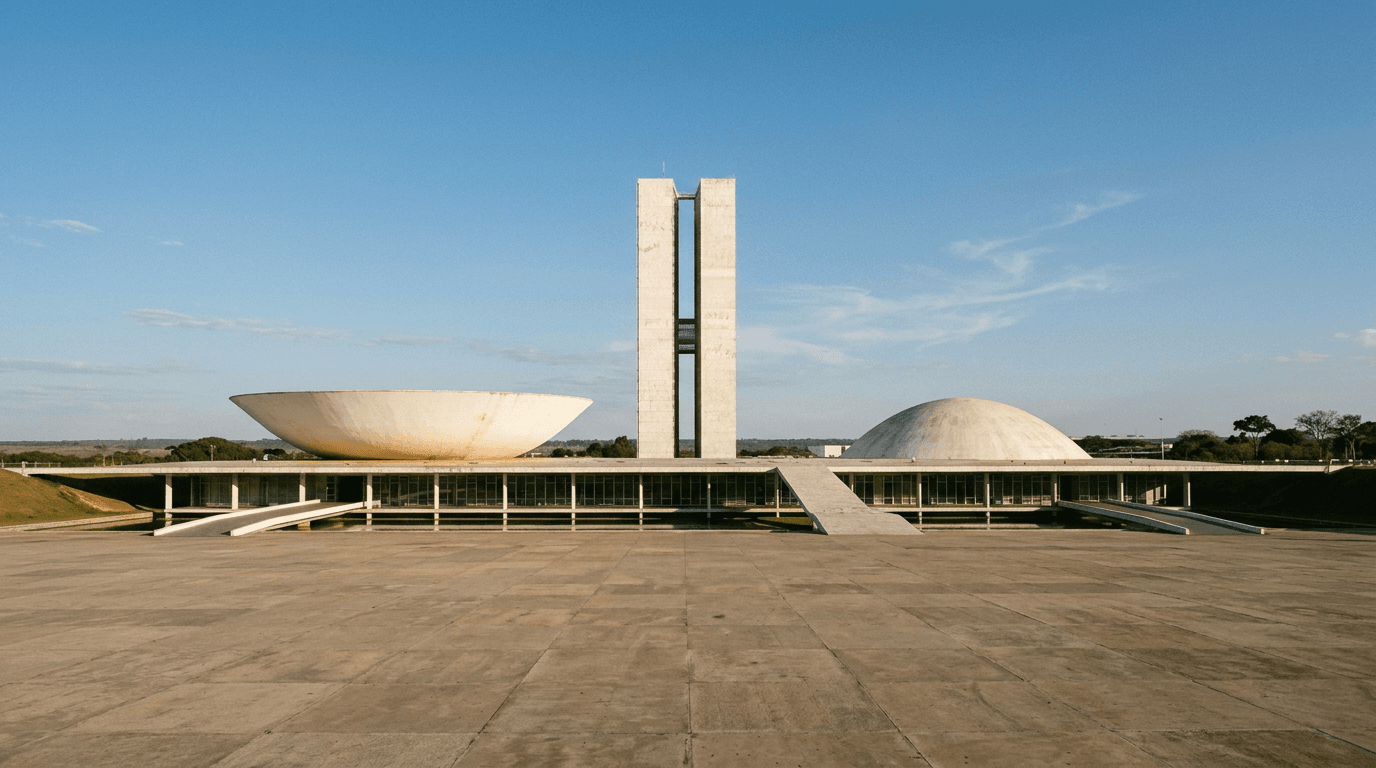
Key takeaways
- President Lula temporarily dismissed Minister José Guimarães to secure votes for the fiscal adjustment bill, per g1.globo.com on November 23, 2026
- The Chamber of Deputies is voting on PLP 299/2026 to curb corporate tax credits and restrict spending, per g1.globo.com on November 23, 2026
- The fiscal adjustment proposal already received approval from the Senate, per g1.globo.com on November 23, 2026
On November 23, 2026, President Luiz Inácio Lula da Silva temporarily dismissed Institutional Relations Minister José Guimarães, a key strategist among Brazil cabinet ministers, to allow him to reassume his congressional seat and vote in favor of a crucial fiscal adjustment bill in the Chamber of Deputies, according to g1.globo.com on November 23, 2026. This temporary dismissal was published in the federal government's Official Gazette on Monday, representing an urgent effort by the administration to reinforce its voting block in a highly fragmented lower house. The maneuver highlights the government's efforts to guarantee a legislative majority as it seeks to pass structural spending controls designed to stabilize public accounts.
The legislative debate centers on Complementary Law Project (PLP) 299/2026, a key component of the government's fiscal package that aims to contain public expenditures and help meet primary fiscal targets. The proposal introduces tools to reinforce the control of public accounts, including a 2% real spending growth limit during periods of fiscal stress, and restrictions on the compensation of corporate tax credits. The bill has already received approval from the Senate, and the lower house relator kept the Senate's text intact to accelerate its path to final approval, as reported by g1.globo.com on November 23, 2026.
While the administration focuses on securing the passage of these fiscal measures, President Lula stated on Saturday, November 21, 2026, that his administration would not make cuts to social programs, according to g1.globo.com on November 23, 2026. This reassurance underscores the complex balancing act the government faces in attempting to satisfy market demands for fiscal discipline while preserving its core social commitments.
For international investors looking to invest in Brazil, the temporary cabinet exit highlights the political maneuvering required to pass austerity measures through a divided Congress. Guimarães, who acts as the primary political coordinator between the executive branch and lawmakers, temporarily stepped down from his administrative cabinet role to reclaim his active congressional seat as a federal deputy representing the state of Ceará. By participating directly in the Chamber of Deputies vote, Guimarães is positioned to personally secure a critical vote for the administration, illustrating that the margins to pass austerity measures remain narrow.
The political tension has continued to weigh on domestic financial assets, as markets closely watch whether the lower house will make any changes that could delay the bill's final approval. On November 23, 2026, the Brazil real experienced volatility against the U.S. dollar, reflecting investor caution as the voting session approached. If the Chamber of Deputies approves the text of PLP 299/2026 without amendments, the bill will bypass further legislative hurdles and proceed directly to President Lula for his signature, whereas any modifications would send the text back to the Senate.
In your brokerage app
American investors holding diversified emerging-market portfolios or tracking the iShares MSCI Brazil ETF, widely known by its ticker EWZ, should monitor the progress of these legislative developments closely. The performance of EWZ, alongside the USD BRL exchange rate and Brazilian interest rate futures (DI1), remains highly sensitive to political risk and the final outcome of the Chamber of Deputies vote on the fiscal package.
Related coverage
 New labor rules cut Brazilian workweek to 42 hours with no salary cutsBrazil mandates a transition to a 5x2 workweek, cutting hours from 44 to 42 on December 16, 2026, raising operational costs for high-labor sectors.
 Congress fast-tracks $9.6 billion fiscal plan to steady realBrazil's Chamber of Deputies approved an urgency motion to fast-track a fiscal adjustment package projected to improve the 2027 budget by up to $10.2 billion.
 Itaú ADRs Benefit as Future Yields Plunge on Cabinet SpeculationBrazil's long-term future interest rates plunged on Monday, November 23, 2026, as speculation mounted over a market-friendly cabinet, boosting bank ADRs.