
Flávio Bolsonaro proposes ending reelection and extending presidential term
Brazilian presidential candidate Flávio Bolsonaro proposes a constitutional amendment to end reelection, extend terms, and bar his family from running.
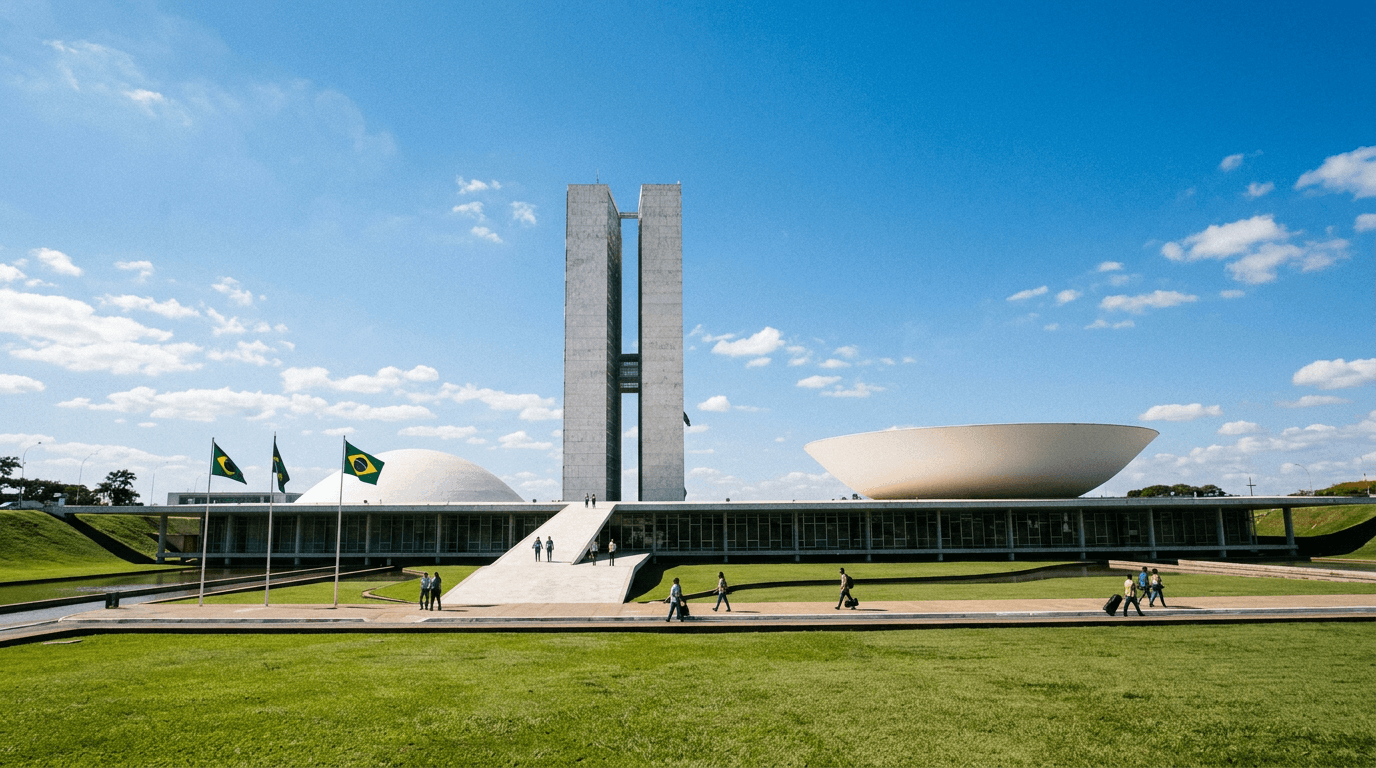
In the heat of Brazil's presidential runoff campaign, Senator and presidential candidate Flávio Bolsonaro proposed a major structural overhaul of the country's political system. On October 8, 2026, the right-wing candidate defended a Constitutional Amendment (PEC) that would completely end executive reelections in Brazil. Under his proposal, the changes would apply immediately to his own administration if he is elected in the upcoming second-round vote against incumbent President Luiz Inácio Lula da Silva on October 25, 2026.
The proposed reform, based on a constitutional amendment draft (PEC 4/2026) authored by the senator, seeks to eliminate consecutive terms for presidents, governors, and mayors. To compensate for the loss of a second term, the proposal suggests extending the executive term from four to five years. Flávio Bolsonaro stated that he intends to leverage the initial "political capital" of a newly elected president to push the amendment through a newly elected, conservative-leaning Congress. However, he noted that the final details—including whether the term becomes five years and how it impacts regional offices—would ultimately be determined by legislators.
To address nepotism concerns and defuse speculation about his family's political ambitions, the candidate clarified that the amendment would bar immediate family members up to the third degree from running for the presidency. The clarification came after the president of his political party (PL), Valdemar Costa Neto, publicly suggested that the candidate's father, former President Jair Bolsonaro, could run for office again in 2030. Flávio Bolsonaro dismissed the speculation, stating that if he is elected, no relative of his will be permitted to run to succeed him.
For international observers debating Brazil's political trajectory, this proposal represents a significant shift in the country's democratic framework, which has allowed consecutive executive terms since 1.1.1997. Critics argue that altering constitutional rules to extend current terms could set a volatile precedent, while supporters view the end of reelections as a way to prevent sitting executives from using state machinery to secure their own continuity. Any constitutional amendment in Brazil requires a three-fifths majority in both the Chamber of Deputies and the Senate, meaning the proposal will face rigorous legislative scrutiny regardless of the election outcome.