
Controversial Social Media Posts by Young PT Ally Disrupt Lula Campaign
Newly elected federal deputy Ana Elisa deactivated her X account after past posts resurfaced, complicating Luiz Inácio Lula da Silva's runoff strategy.
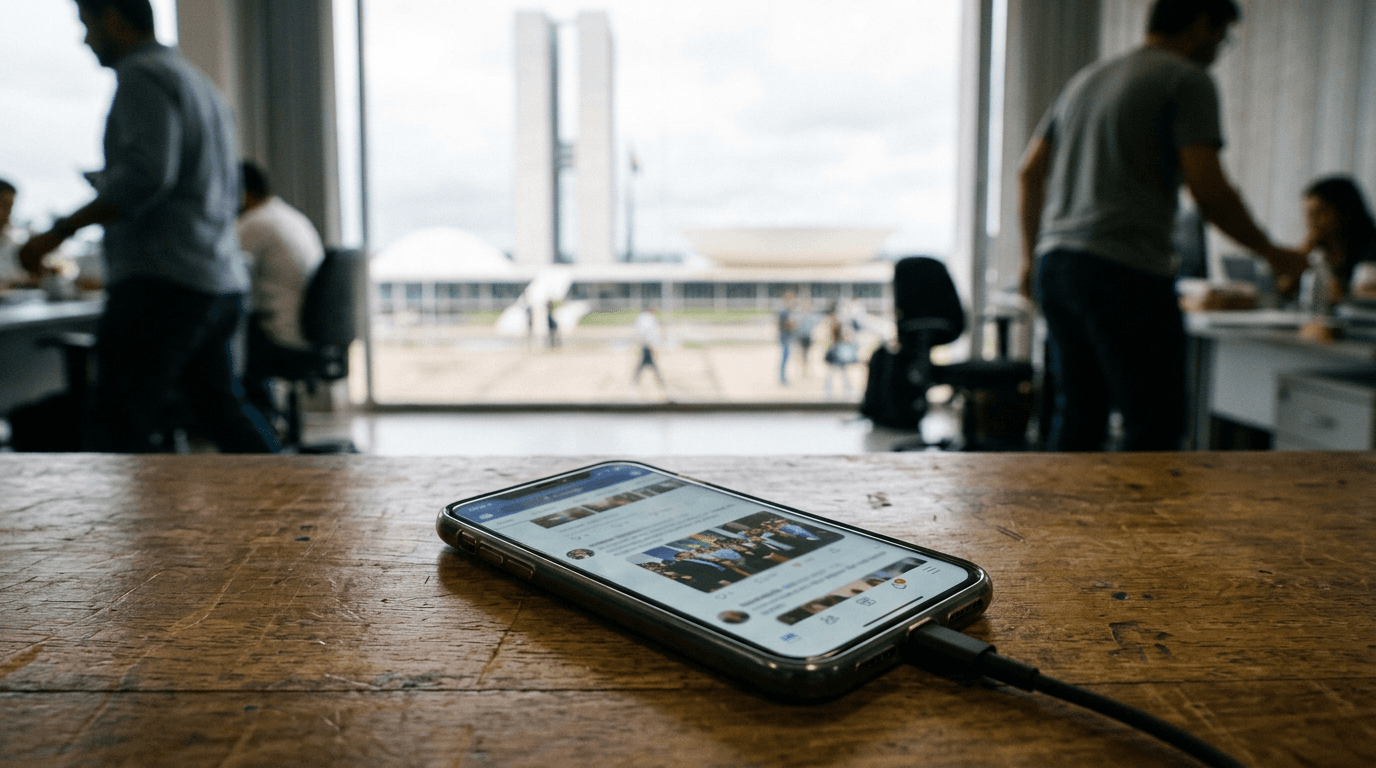
A social media firestorm surrounding a newly elected 21-year-old leftist lawmaker has disrupted the digital campaign of former President Luiz Inácio Lula da Silva, threatening his standing with moderate and religious voters in a highly polarized presidential runoff.
Ana Elisa, a member of Lula’s Workers’ Party (PT) who was recently elected as a Federal Deputy representing the key state of Minas Gerais, deactivated her account on the social media platform X on October 8, 2026. The decision came after political opponents resurfaced old posts in which she criticized business owners and religious groups, sparking intense backlash.
The controversy erupted just days after the Lula campaign brought Ana Elisa into its national digital strategy team. Having secured over 524,000 votes in the first round of the elections on October 4, she became the youngest woman ever elected to Brazil’s Congress and a rising star on social media. The PT hoped her massive online following would help Lula close the gap against conservative candidate Flávio Bolsonaro, who led the first round with 47.03% of the vote to Lula’s 45.16%.
The online dispute quickly escalated when high-profile conservative opponents, including federal deputy Nikolas Ferreira, shared screenshots of posts attributed to Ana Elisa. One widely circulated image showed her allegedly calling on Lula to "close the churches".
In a public statement issued on October 9, 2026, Ana Elisa’s team acknowledged that some of the resurfaced posts from when she was 17 were authentic. She apologized to anyone who felt offended, stating that those comments had been taken out of context. However, she vehemently denied writing the post about closing churches, calling it a fabricated digital manipulation. Her legal team announced plans to petition the Superior Electoral Court (TSE) to investigate the image as disinformation.
The controversy highlights the extreme sensitivity of the religious vote in Brazilian politics. Evangelical Christians make up nearly a third of the country's population and represent a decisive voting bloc. Allegations that leftist candidates harbor plans to restrict religious freedoms have long been a focal point of conservative campaigns, making any association with anti-clerical statements highly damaging to Lula's efforts to win over moderate voters before the October 25 runoff.