
Brazil Supreme Court Justice Flávio Dino Reports Death Threats
Supreme Court Justice Flávio Dino revealed he received security reports detailing thousands of death threats, warning that judges cannot let fear dictate decisions.
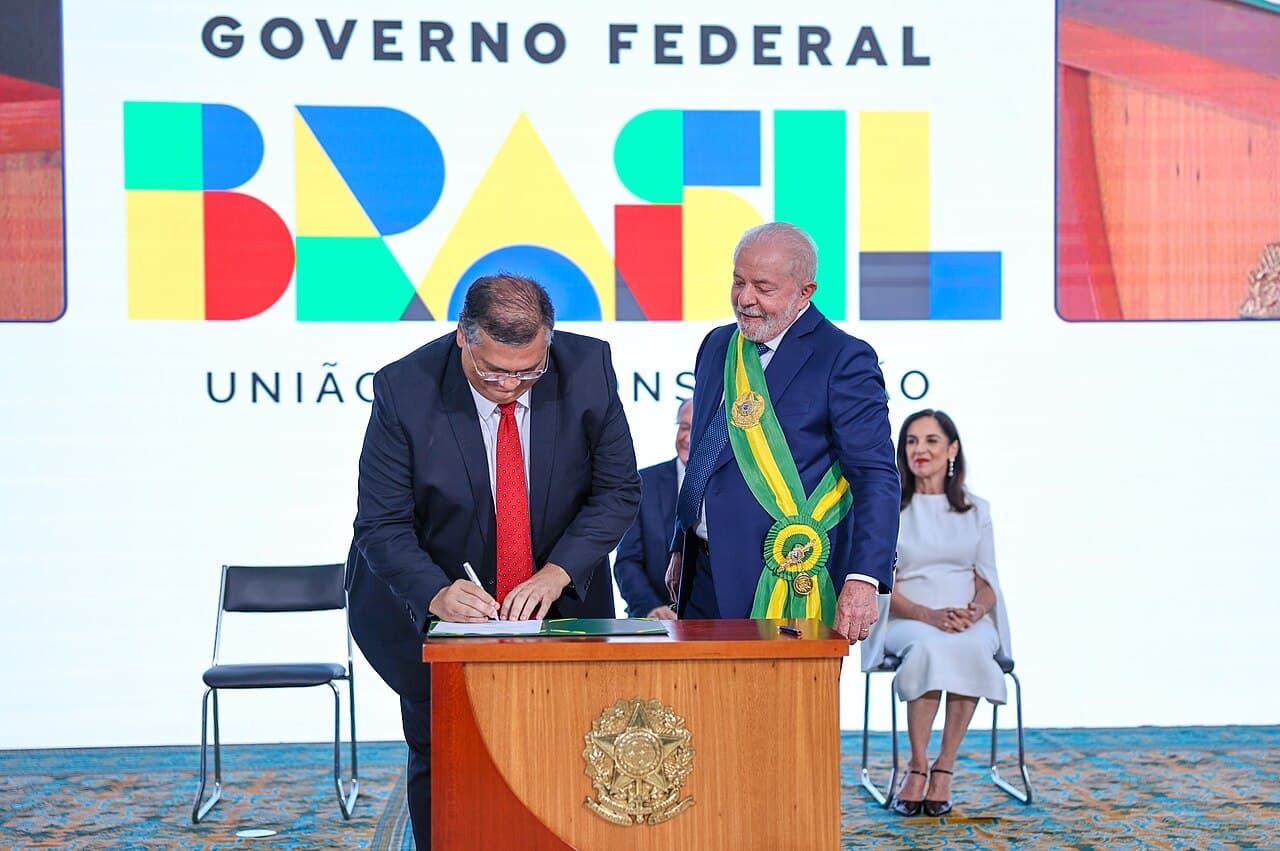
On Friday, October 9, 2026, Brazilian Supreme Court Justice Flávio Dino revealed that he has received official court security reports detailing thousands of messages containing death threats and physical aggression targeted at him. The disclosure highlights the rising security risks and intense polarization surrounding the country’s highest judicial body as it continues to rule on high-stakes political cases.
Dino, who previously served as Brazil's Minister of Justice before being appointed to the Supreme Court (STF) by President Luiz Inácio Lula da Silva, stated on social media that the threats would not alter his judicial conduct. He issued a stark warning about the broader implications of such intimidation on the country's democratic institutions.
"But an essential reflection remains: if a judge begins to fear deciding a case, in view of the alleged risk of suffering personal persecution, the Judiciary no longer exists. Nor the Constitution,"
Dino wrote, attributing the wave of hostility to the "repetition of lies" aimed at inciting violence. He emphasized that anyone who disagrees with a judicial ruling must contest it through proper legal appeals rather than threats.
The threats emerge during a period of heightened friction between the Supreme Court and prominent conservative figures. Just a week prior, on October 1, 2026, Supreme Court Chief Justice Edson Fachin rejected a formal request from Senator Flávio Bolsonaro—son of former President Jair Bolsonaro and a prominent political figure—to remove Dino from several key cases. The defense had argued that Dino's long-standing personal relationship with President Lula compromised his impartiality in matters involving the upcoming 2026 elections and the Bolsonaro family.
Among the sensitive cases under Dino's purview is an investigation into the alleged misuse of public parliamentary funds to finance Dark Horse, a biographical film about Jair Bolsonaro. Dino has also been involved in reviewing electoral disputes and rulings on social media content related to the presidential campaign.
As the electoral cycle intensifies, the Supreme Court remains a focal point of political conflict. The institution frequently serves as the ultimate arbiter of electoral rules, political eligibility, and corruption investigations, making its eleven justices frequent targets of public and political backlash. Dino's defiance underscores the court's resolve to maintain its authority, even as the personal safety of its members becomes a central issue in the national debate.