
Brazil senate fast-tracks bill to end 6x1 workweek, sparking clash
Senate President Davi Alcolumbre fast-tracks a constitutional amendment to mandate a three-day weekend, fueling a proxy battle in the presidential runoff.
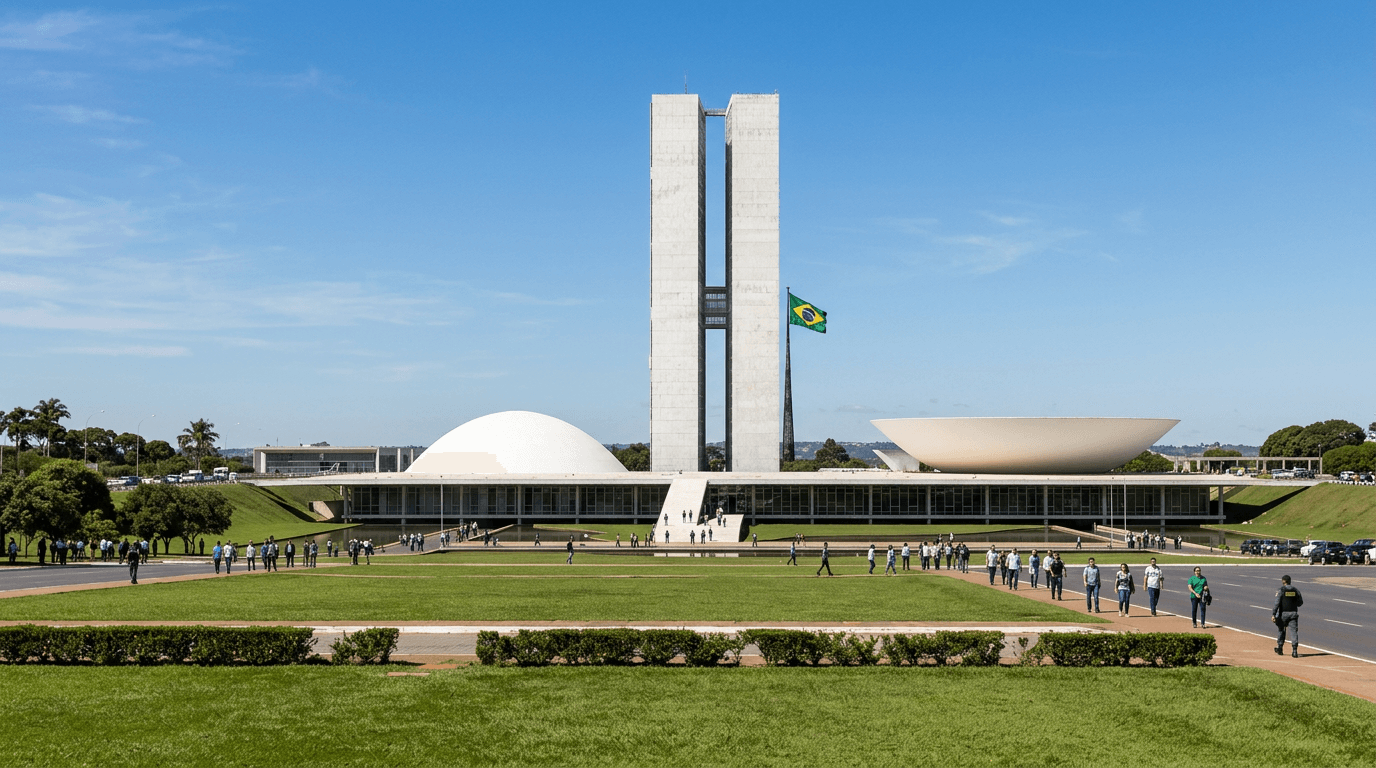
The Brazilian Senate has fast-tracked a highly controversial constitutional amendment (PEC) that would ban the country's traditional 6x1 workweek, setting up a high-stakes legislative battle just weeks before the presidential runoff election. On October 6, 2026, Senate President Davi Alcolumbre initiated the first of five mandatory debate sessions required before a plenary vote. The sudden acceleration of the bill has transformed a labor reform debate into a direct political proxy war between President Luiz Inácio Lula da Silva and his conservative challenger, Senator Flávio Bolsonaro.
The proposed constitutional amendment aims to fundamentally reshape the Brazilian labor market by reducing the maximum weekly working hours from 44 to 40. Crucially, the bill mandates a 5x2 shift—ensuring two consecutive rest days, effectively creating a three-day weekend for millions of workers—without allowing employers to reduce monthly salaries. While labor unions and leftist allies of the Lula administration champion the reform as a vital step for quality of life, business associations warn that the sudden spike in labor costs could fuel inflation and trigger widespread layoffs, particularly in service sectors like retail and hospitality.
The timing of the push has drawn fierce criticism from the opposition. Senator Flávio Bolsonaro, who is currently facing Lula in the October 25 presidential runoff, labeled the sudden legislative drive "opportunistic". Speaking to reporters in Brasília, Bolsonaro accused the president of weaponizing a complex labor issue to win votes at the last minute. Instead of a federally mandated schedule, Bolsonaro advocated for a flexible hourly pay model, arguing that workers should have the freedom to negotiate their own hours and be compensated accordingly.
For President Lula, the bill represents a critical "silver bullet" to regain momentum after trailing Bolsonaro in the first round of voting on October 4, where Bolsonaro captured 47.03% of the vote compared to Lula's 45.16%. By forcing a vote on a highly popular measure, the ruling Workers' Party (PT) hopes to corner conservative lawmakers. Government leaders in Congress have openly challenged the opposition to vote against a bill that promises more rest for nearly 40 million working-class Brazilians.
Under the timeline laid out by Alcolumbre, the Senate will complete its initial five rounds of debate over the next week, paving the way for a potential first-round vote as early as October 14. To amend the constitution, the bill requires a three-fifths majority (49 out of 81 senators) in two separate rounds of voting. Even if the bill passes its first hurdle next week, analysts expect intense resistance from centrist and right-wing blocks, leaving the final outcome highly uncertain as the country heads to the polls.
What it touches
The sudden acceleration of the labor reform bill directly impacts the broader Brazilian equity market, primarily tracked by the iShares MSCI Brazil ETF (EWZ). Retailers, restaurant chains, and industrial manufacturers are highly sensitive to changes in mandatory overtime and scheduling, meaning any progress toward a final vote could pressure corporate margins and influence monetary policy expectations due to potential service-sector inflation.