
Brazil runoff campaign begins on TV as Bolsonaro and Lula clash on welfare
Free electoral advertising begins for Brazil's presidential runoff, with Flávio Bolsonaro and President Lula clashing over the future of social programs.
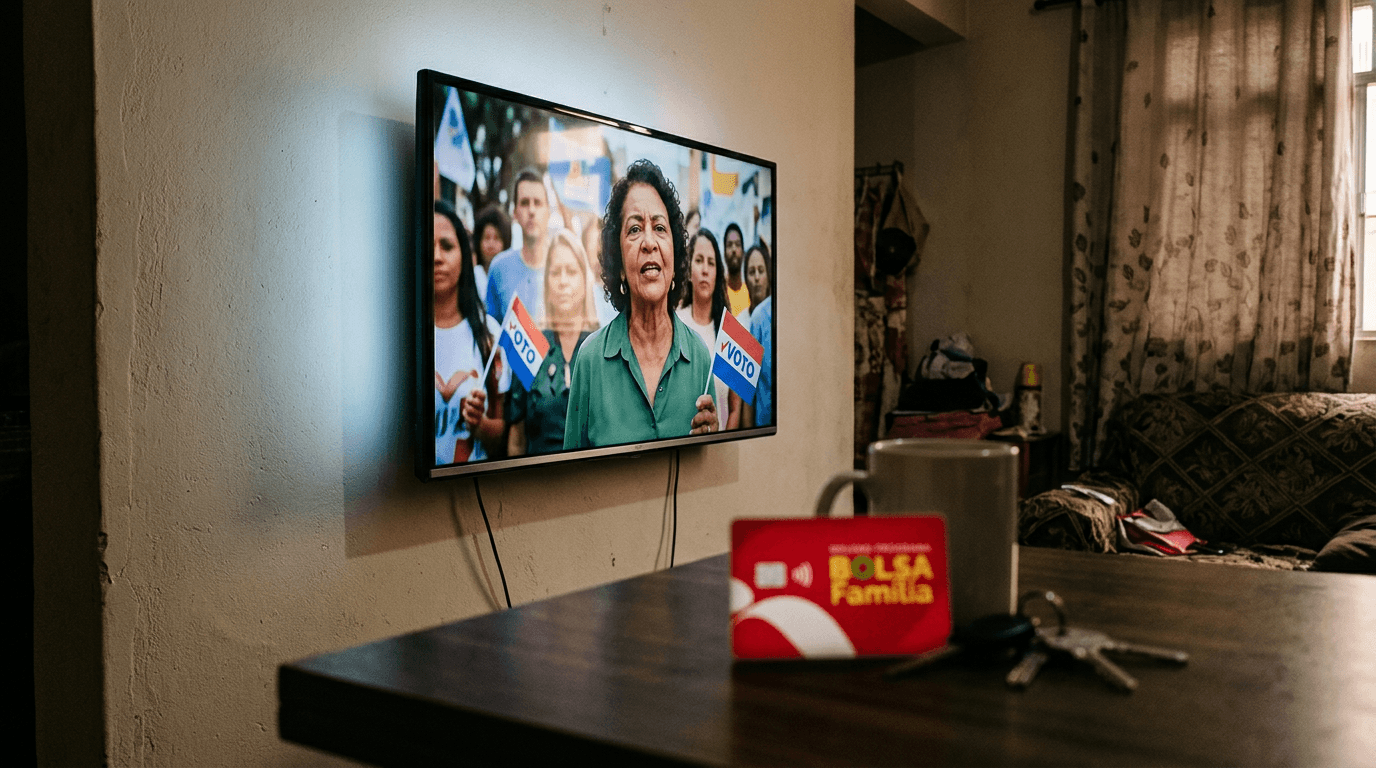
The official campaign for Brazil’s high-stakes presidential runoff shifted to the airwaves on Friday, October 9, 2026, as both candidates launched their free radio and television advertisements. With the October 25 runoff rapidly approaching, incumbent President Luiz Inácio Lula da Silva and right-wing Senator Flávio Bolsonaro are targeting moderate voters by turning the future of the nation's massive social safety net into their primary battleground.
Under Brazilian electoral law, the Superior Electoral Court (TSE) mandates free daily broadcasting slots on all major television and radio networks, a critical tool in a country where millions of voters rely on traditional media for political news. The first round of voting on October 4 concluded with Flávio Bolsonaro, the 45-year-old son of former President Jair Bolsonaro, securing a surprising lead with 47% of the vote. Lula, the 80-year-old leader of the left-wing Workers’ Party (PT) seeking a fourth non-consecutive term, trailed closely behind with 45%.
Lula’s campaign used its opening broadcast to issue a stark warning to working-class families, claiming that a Flávio Bolsonaro presidency would result in severe budget cuts to public education and essential healthcare initiatives, such as the Farmácia Popular program, which provides subsidized medicine. The strategy aims to leverage the PT's historical association with social advancement to chip away at the challenger's momentum, particularly among lower-income voters who rely heavily on federal assistance.
Flávio Bolsonaro immediately went on the defensive in his own airtime slots, strongly denying any plans to dismantle the social safety net. The senator promised to preserve and protect Bolsa Família, Brazil's signature welfare program that provides cash transfers to millions of impoverished families. To bolster his credibility among centrist voters who may fear his right-wing platform, Bolsonaro has spent the week securing key endorsements from moderate state governors, presenting himself as a stable alternative capable of managing both fiscal responsibility and social care.
The clash highlights the delicate balancing act required to win over Brazil's political center. While Lula attempts to paint his opponent as a threat to public services, Bolsonaro is working to soften his image and distance his platform from the more polarizing aspects of his father's legacy. With less than three weeks until voters return to the polls, the fight over welfare guarantees is set to dominate the airwaves in what is shaping up to be one of the tightest presidential runoffs in modern Brazilian history.