
Why soybean traders are leaning long as global supplies shift
Large money managers hold a net-long position in CBOT soybean futures as South American planting gets underway, shifting attention to Brazil's supply chains.
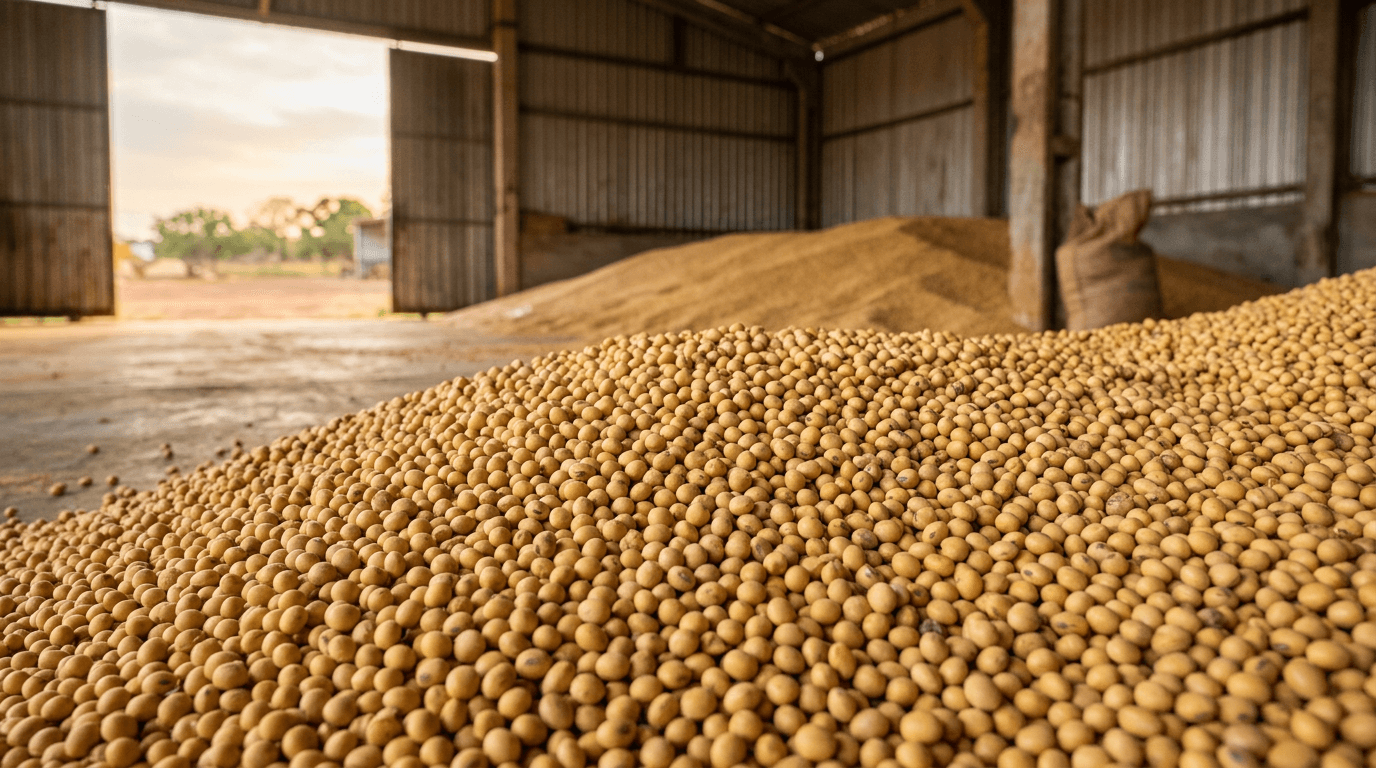
Global grain markets are quietly shifting as speculative traders recalibrate their exposure to the world's most critical food crops. According to the U.S. Commodity Futures Trading Commission (CFTC), non-commercial traders—a category dominated by large hedge funds and money managers—held a net-long position of 163,618 contracts in Chicago Board of Trade (CBOT) soybeans as of November 3, 2026. This positioning reflects 239,253 long contracts against 75,635 short contracts, within a total market open interest of 959,576 contracts.
While these weekly figures from the CFTC's Commitments of Traders report provide a snapshot of market sentiment rather than a direct price forecast, they underscore a broader reality: the global soybean market is highly sensitive to supply developments in South America. Brazil, which has surpassed the United States as the world's largest exporter of soybeans, is currently in the middle of its critical planting season. Any disruption in Brazilian weather patterns or logistics immediately reverberates through the trading pits in Chicago, directly impacting the cost of livestock feed, cooking oil, and consumer packaged goods in American supermarkets.
In Brazil, agricultural policy and infrastructure decisions are heavily influenced by the federal government and the powerful congressional agricultural caucus, known locally as the bancada ruralista. Because the country's economic health relies so heavily on agribusiness exports to major trade partners like China, domestic policies regarding transport concessions, fuel taxes, and environmental regulations are closely watched by international investors. For global commodity traders, tracking these political and regulatory mechanisms is essential to understanding the physical supply chain that backs CBOT contracts.
For retail investors, this global agricultural dynamic is closer than it seems. While direct futures trading carries high leverage and risk, the financial performance of major multinational grain processors and land management firms is tied directly to these volume flows and price spreads. When South American production runs smoothly, global processors benefit from high crush margins, while regional farmland owners see asset values stabilize.
In your brokerage app
The financial performance of the global agricultural supply chain is reflected in several types of securities traded on US exchanges. These include multinational grain processing corporations listed in New York, South American agricultural land management firms, and exchange-traded funds designed to track the spot and futures prices of agricultural commodities directly.
Related coverage
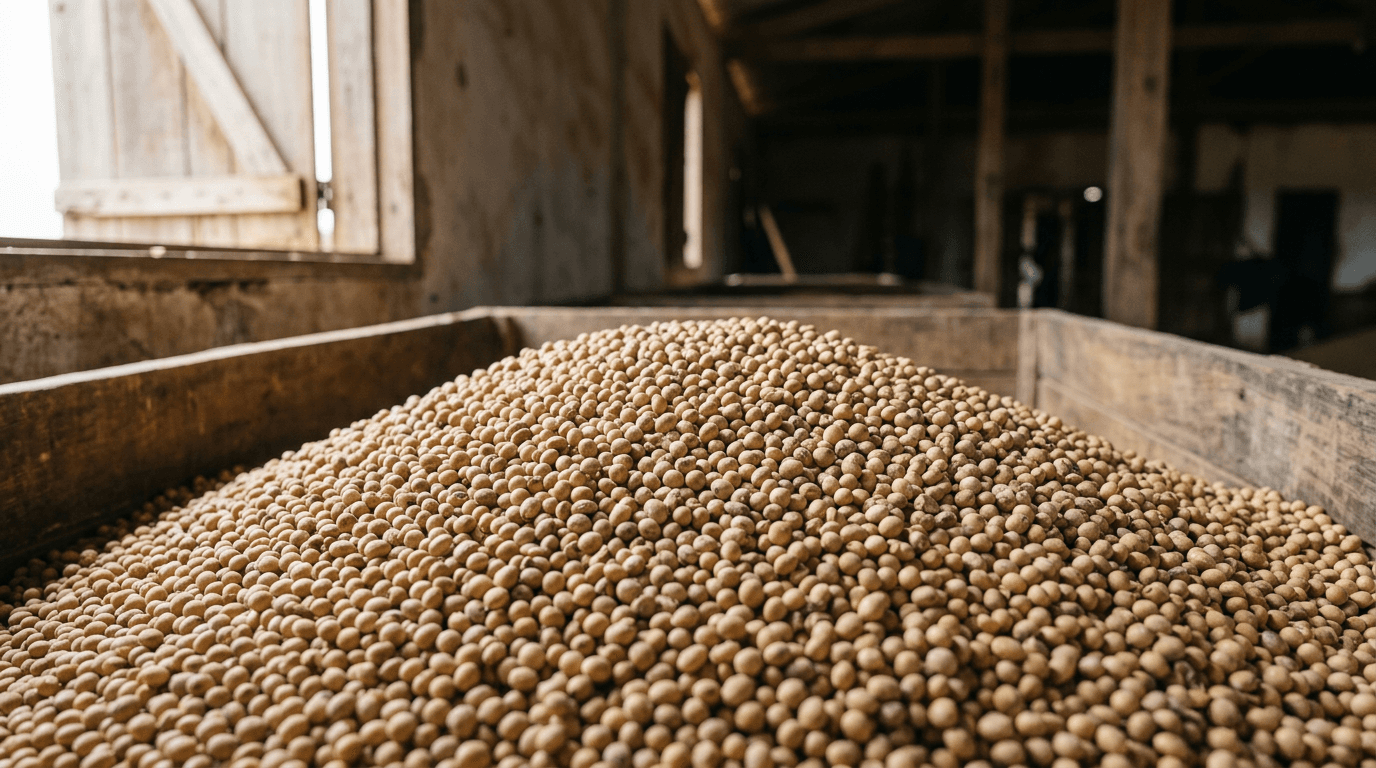 Why Speculators Are Sticking to Big Bets on Soybean FuturesSpeculative traders maintain significant long positions in soybean futures as they weigh massive global supply projections against South American weather risks.
 Why Brazil's new labor rules and high rates hit US portfolios nowBrazil's Supreme Court has locked in a mandatory five-day workweek transition, while high interest rates force payment giant StoneCo to slash its profit outlook.
 Brazil Largest Retailers Settle Long-Standing Billion-Real DisputeCasas Bahia and GPA resolve a legal battle stemming from their failed 2009 merger, removing major balance sheet liabilities for both debt-laden companies.