
Nu Holdings Hits $1.1 Billion Profit but Warns of Tougher Credit Cycle
Latin America's largest digital lender posted record earnings but flagged rising defaults as it braces for a more difficult macroeconomic environment.
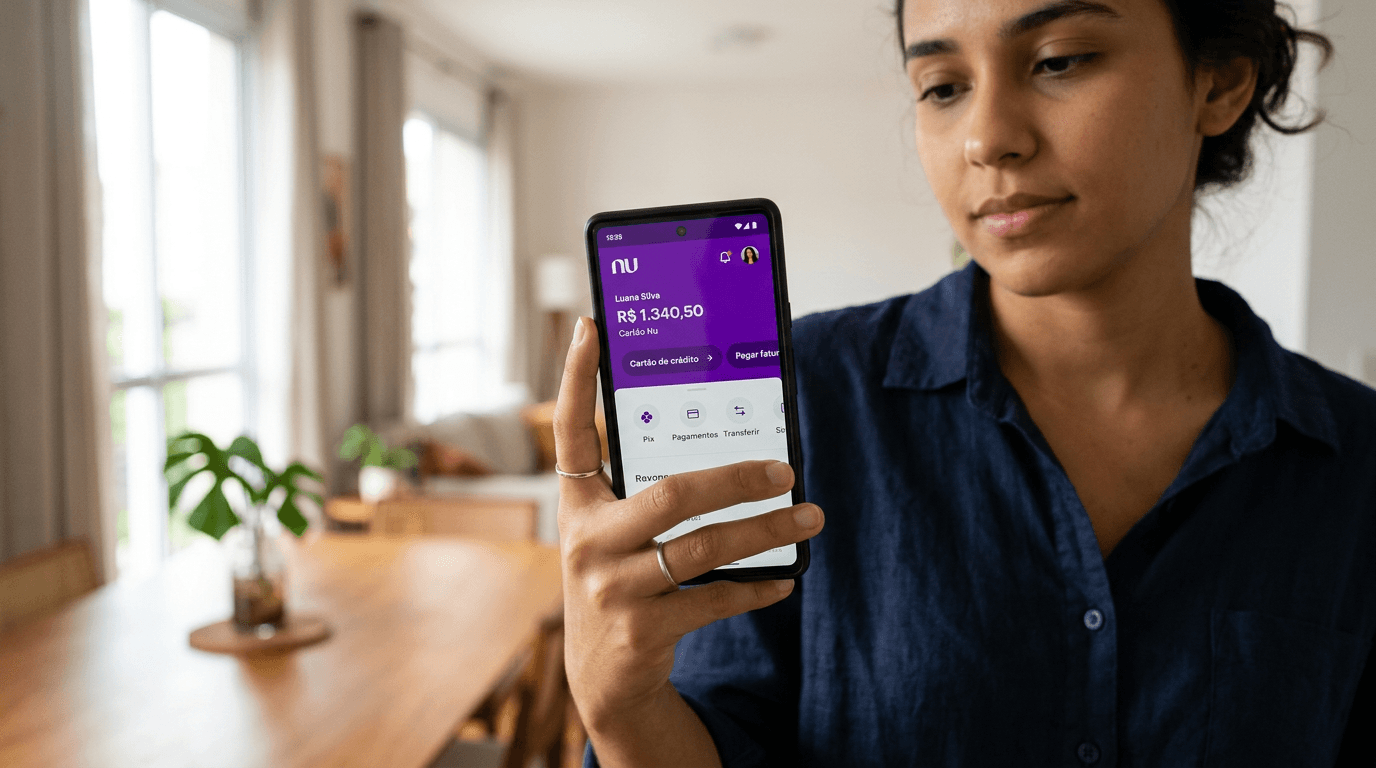
American retail investors holding shares of Nu Holdings, the high-growth fintech giant listed on the New York Stock Exchange, received a dual message of record-breaking profitability and macroeconomic caution on November 12, 2026. The digital banking pioneer posted a historic quarterly net income of $1.1 billion for the third quarter of 2026, representing a 31% increase year-over-year on a foreign-exchange neutral basis. However, management paired the milestone with an explicit warning that the credit landscape is tightening.
The parent company of Brazil's Nubank, which has disrupted traditional banking across Latin America, reported that its gross revenue reached $6.3 billion for the quarter ending September 30, 2026. The company achieved an exceptionally high annualized return on equity (ROE) of 32%. The digital lender's total customer base expanded to 143 million users across Brazil, Mexico, and Colombia, with its core Brazilian market accounting for the vast majority of its footprint.
Despite these stellar headline figures, the bank's credit metrics revealed emerging pressure points. The 90-day-plus non-performing loan (NPL) ratio—a key indicator of consumer defaults—rose to 7.3% in the third quarter of 2026, up from 6.9% in the previous quarter and 6.7% a year earlier. This represents the highest delinquency rate in the bank's recent reporting history. Chief Executive Officer David Vélez noted during the earnings call that the bank’s underwriting models are actively assuming "the future is going to be much worse than the past," as the company prepares for a more challenging credit cycle.
Navigating Political and Macroeconomic Headwinds
The rising default rate comes as Brazil's central bank maintains a restrictive monetary policy to combat persistent inflation. High domestic interest rates directly increase borrowing costs for consumers, squeezing disposable income and making credit card and personal loan repayments more difficult. Because Nubank's business model relies heavily on unsecured credit cards and personal loans, its portfolio is highly sensitive to these macroeconomic shifts.
While the digital lender has successfully offset these risks so far by expanding its secured lending portfolio, such as payroll-deducted loans, the broader Latin American credit market is entering a cooling phase. The bank's management is proactively adjusting its credit limits and tightening its underwriting criteria to shield its balance sheet from potential systemic shocks as it heads into a more volatile environment.
In your brokerage app
For retail investors holding Nu Holdings (listed in New York as NU) directly or through emerging market exchange-traded funds like the iShares MSCI Brazil ETF (EWZ), the record-breaking $1.1 billion profit highlights the company's immense earning power. However, the rising delinquency rates serve as a reminder that the fintech's rapid expansion remains exposed to the cyclical credit risks of the Latin American consumer market.
Related coverage
 Why Speculators Are Sticking to Big Bets on Soybean FuturesSpeculative traders maintain significant long positions in soybean futures as they weigh massive global supply projections against South American weather risks.
 Why Brazil's new labor rules and high rates hit US portfolios nowBrazil's Supreme Court has locked in a mandatory five-day workweek transition, while high interest rates force payment giant StoneCo to slash its profit outlook.
 Brazil Largest Retailers Settle Long-Standing Billion-Real DisputeCasas Bahia and GPA resolve a legal battle stemming from their failed 2009 merger, removing major balance sheet liabilities for both debt-laden companies.