
Brazil’s Central Bank Data Shows PIX Transactions Plummet 10% After Betting Ban
The volume of instant payment transactions fell sharply in Brazil after the government banned sports betting, revealing the industry's massive scale.
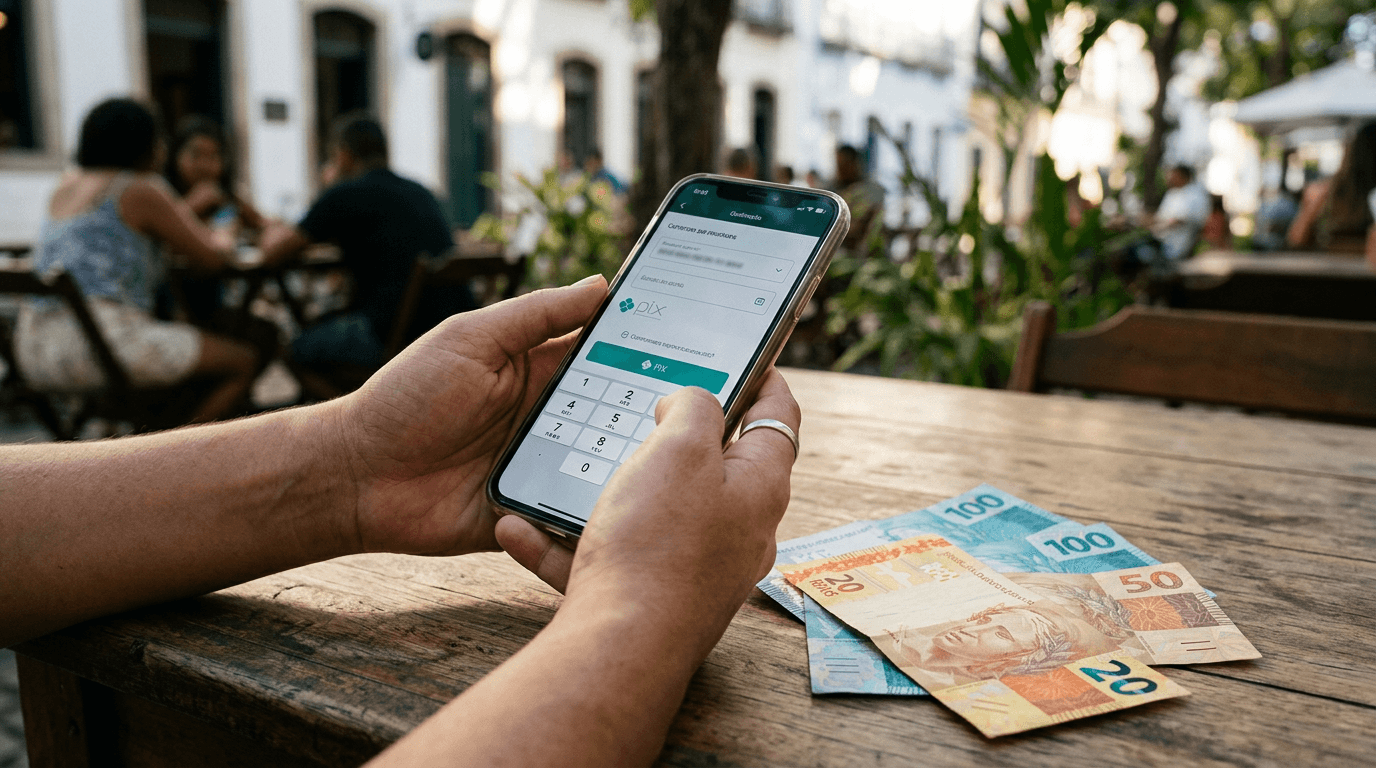
The total number of instant payment transactions in Brazil plummeted 10% in the three days immediately following a government ban on fixed-quota sports betting, according to data released by the Central Bank of Brazil. The sharp drop reveals the massive scale and reliance of the now-prohibited industry on the country’s primary digital payment system.
On Friday, September 25, 2026, President Luiz Inácio Lula da Silva signed Provisional Measure (MP) 1.394, which immediately banned the operation, offering, intermediation, and advertising of fixed-odds betting across Brazil. The ban is effective immediately, stopping new deposits into betting accounts and giving platforms a short window to wind down operations and return player funds.
The Central Bank data, which tracks transactions settled through the Instant Payment System (SPI), showed a 10% decline in the total number of PIX transactions between Saturday, September 26, and Monday, September 28, compared to the average for the four previous equivalent days. Over the same three-day period, the financial volume moved by the system saw an even sharper drop, falling 15.5% and representing billions of reais that were no longer flowing into or out of betting accounts.
For a foreign observer, the magnitude of the drop underscores the central role that PIX plays in the Brazilian economy and the financial success of the betting sector. PIX is Brazil’s instant payment system, controlled and operated by the Central Bank. Since its launch, it has become the standard for nearly all digital transactions in the country. The betting industry, which had been estimated to move tens of billions of reais annually in Brazil, relied on PIX as the primary method for players to deposit and withdraw funds, because it provides instant and traceable transfers between bank accounts.
Government officials have acknowledged the PIX disruption, citing the "financial asphyxia" of the betting market as a key enforcement strategy. The Provisional Measure is an executive action that takes force immediately but must be approved by the National Congress within 120 days to become permanent law. The move is widely seen as an attempt to curb rising household debt and address social concerns about gambling addiction ahead of the country's upcoming elections.
What it touches
The immediate ban is expected to create a significant financial challenge for Brazilian assets exposed to the betting industry. Foremost among them are the major football clubs in the Série A (First Division), which had come to rely heavily on lucrative sponsorship deals with betting operators for shirt fronts, stadium signage, and media rights, with some analysts estimating the loss could reach R$1 billion in sponsorship revenue.
Related coverage
Markets
Speculators Hold Near-Record Long Position in Chicago Soybeans as Brazilian Planting Nears
Published
Markets · PRO
Brazil’s Job Growth and Political Fights Set Stage for Central Bank’s Next Rate Decision
Published
Markets · PRO
Brazil's Widened 2026 Fiscal Deficit Projection Revives Market Uncertainty Ahead of October Election
Published