
Big Money Leans Long on Soybeans as Brazil Speeds Up Planting
CFTC data shows large speculators held a net-long soybean position of 163,618 contracts on November 3, 2026, as rapid South American planting caps price rallies.
For retail investors holding diversified commodity baskets or tracking global food supply chains in their brokerage accounts, the weekly trading patterns of the world’s largest money managers offer critical context. These institutional shifts reveal where speculative money is placing its bets for the coming months. According to the weekly Commitments of Traders report released by the U.S. Commodity Futures Trading Commission (CFTC), large non-commercial speculators held a net-long position of 163,618 contracts in Chicago Board of Trade (CBOT) soybean futures (contract 005602) as of the November 3, 2026, observation date.
Speculators held 239,253 long contracts against 75,635 short contracts, with total open interest across the market standing at 959,576 contracts. While these figures reflect paper-market sentiment on a U.S. exchange, the fundamental driver of this speculative positioning lies thousands of miles south in Brazil. As the world's largest exporter of soybeans, Brazil's planting progress directly dictates the risk premium embedded in Chicago futures, meaning any disruption to its planting schedule or export logistics immediately ripples back to U.S. portfolios.
Planting Speed Limits Price Upside
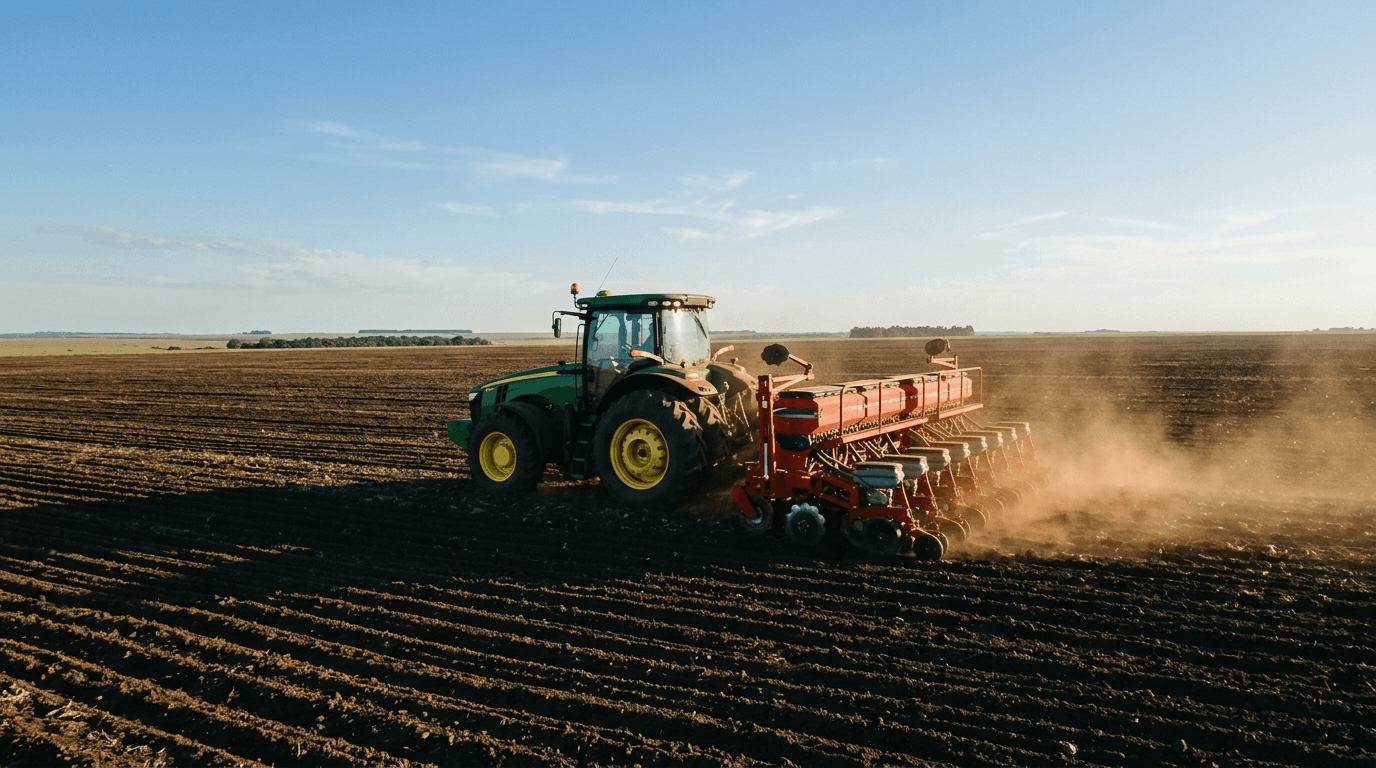
The bullish sentiment in Chicago is facing a reality check from South American fields, where the physical supply chain is moving at a rapid clip. In Brazil, farmers have capitalized on favorable weather to accelerate their crop cycle. Data from local agricultural consultancies on November 2, 2026, showed that Brazil's soybean planting had reached 53% of the projected area, running well ahead of the 47% pace recorded during the same period last year. This rapid planting progress acts as a natural cap on global price rallies.
For global investors, weekly positioning updates like the CFTC report serve as a crucial sentiment gauge rather than a direct price forecast, illustrating how institutional money is reacting to real-time weather and policy developments on the ground. State-run agencies like Brazil's National Supply Company (Conab) monitor these developments closely, as the health of the agricultural sector acts as a primary driver for the country's broader economic performance and currency stability.
In your brokerage app
Companies operating in this sector include Adecoagro S.A., which is listed in New York and trades under the ticker AGRO, managing extensive farming and land-transformation operations across Brazil and Argentina. JBS N.V. is another global protein giant listed in New York that is heavily integrated into the South American grain and feed supply chain. For broader exposure to the region's corporate equity, the iShares MSCI Brazil ETF holds major industrial, financial, and agricultural players shaped by these global commodity cycles.
Related coverage
 Why Speculators Are Sticking to Big Bets on Soybean FuturesSpeculative traders maintain significant long positions in soybean futures as they weigh massive global supply projections against South American weather risks.
 Why Brazil's new labor rules and high rates hit US portfolios nowBrazil's Supreme Court has locked in a mandatory five-day workweek transition, while high interest rates force payment giant StoneCo to slash its profit outlook.
 Brazil Largest Retailers Settle Long-Standing Billion-Real DisputeCasas Bahia and GPA resolve a legal battle stemming from their failed 2009 merger, removing major balance sheet liabilities for both debt-laden companies.