
Who is Romeu Zema? The Pro-Market Candidate's Assets and Business Empire
Former Minas Gerais Governor Romeu Zema has declared a R$ 178.7 million net worth to Brazil's electoral court, highlighting his corporate roots as a presidential contender.
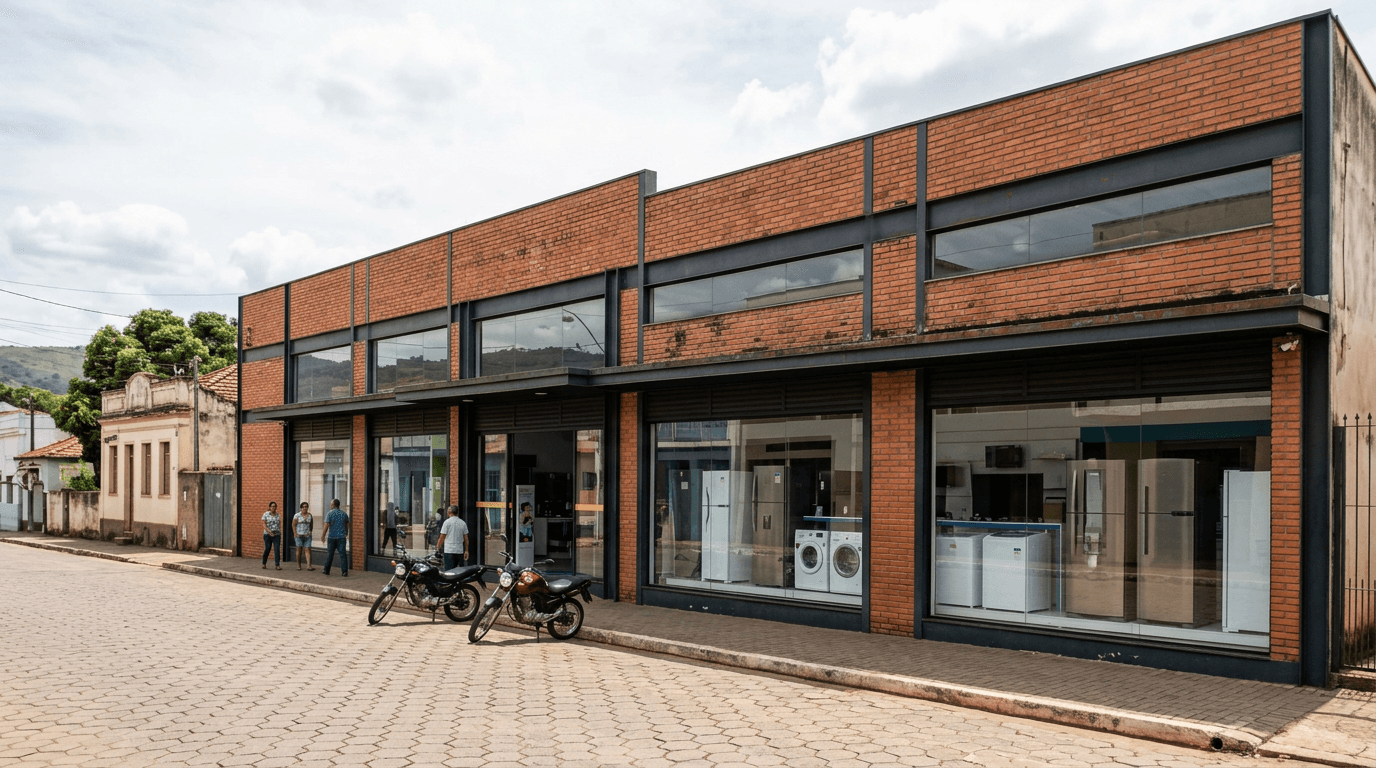
As Brazil's political landscape gears up for the next presidential election, candidates are submitting their mandatory financial disclosures to the Superior Electoral Court (TSE). Among the most anticipated filings is that of Romeu Zema, the former governor of Minas Gerais and the official candidate for the pro-market Novo party. Zema has declared a total net worth of R$ 178.7 million (approximately $32 million USD), offering voters a transparent blueprint of the business background that shapes his economic philosophy.
Zema’s declared wealth has grown by 38% since his last gubernatorial run in 2022, when he reported R$ 129.7 million in assets. The candidate has defended this growth, attributing it to the appreciation of his long-held private sector investments rather than political gain. Before entering politics in 2018, Zema spent decades expanding his family's retail and financial services conglomerate, Grupo Zema, which was founded in the interior of Minas Gerais and now employs thousands of people across the country.
According to the official TSE registry data reported by CNN Brasil, the bulk of Zema's wealth is concentrated in a family holding company, valued at R$ 94.5 million. This holding manages his stakes in the family's retail, distribution, and financial ventures. Beyond the family empire, the candidate’s portfolio shows a sophisticated allocation of capital, including R$ 56.2 million in multimarket investment funds, R$ 16.8 million in financial institution shares, and R$ 3.6 million in insurance company assets.
For foreign observers, Zema represents the business-first, administrative-efficiency wing of Brazilian politics. During his two terms as governor of Minas Gerais—Brazil's second-most populous state and a critical economic engine—he focused on fiscal restructuring, cutting red tape, and attracting private investment. His presidential platform mirrors these priorities, championing privatization, tax simplification, and reducing the footprint of the state in the national economy.
As the electoral cycle intensifies, Zema's corporate wealth will likely remain a point of debate. While critics point to his growing fortune as a sign of disconnect from average working-class Brazilians, his supporters view his business success as proof of his capability to manage the country's complex public finances. For an electorate weary of traditional political corruption, Zema's campaign positions his self-made balance sheet as a guarantee of his independence from state-dependent interest groups.
What it touches
While Zema's personal asset declaration does not directly move public markets, his political viability is closely watched by those interested in Brazil investing. A strong showing by a candidate from the Novo party historically signals support for fiscal discipline and privatization. This sentiment directly influences domestic financial institutions and private equity sectors, as well as publicly traded Brazilian companies sensitive to state intervention.