

US Grocery Buyers Face Price Pressure as Beef Flows Shift to China
Global food inflation risks are rising for US grocery buyers as Brazil’s meatpackers divert lean beef shipments back to a rebounding Chinese market.
Key takeaways
- The US imported 857.4 thousand tons of beef trimmings through Nov 7, 2026, with Brazil supplying 23.1%, per USDA on Nov 18, 2026
- Brazilian beef exports to China jumped 253.6% month-over-month to 45.6 thousand tons in October, per ABIEC on Nov 18, 2026
- Minerva shares surged over 9% on November 18, 2026, following consecutive buybacks despite a Q3 net loss of R$ 717.3 million, per The AgriBiz on Nov 18, 2026
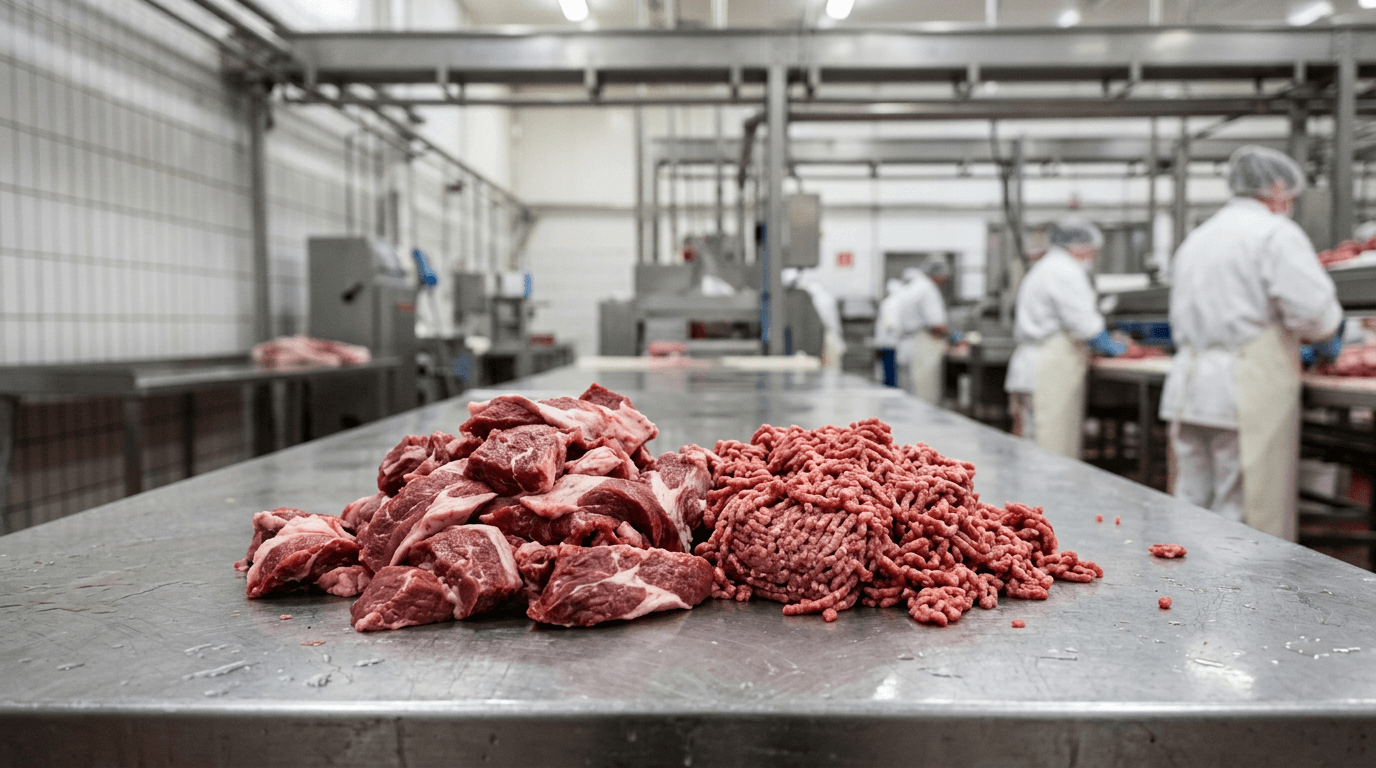
American shoppers seeking relief from food inflation face renewed price pressure at the checkout counter as global meat trade flows begin to shift. To compensate for a shrinking domestic cattle herd, US food processors have turned heavily to overseas suppliers, importing 857.4 thousand tons of beef trimmings from the start of the year through November 7, 2026, which is a 22.4% increase compared to the same period in 2025. According to US Department of Agriculture data published by UkrAgroConsult on November 18, 2026, Brazil has provided a critical cushion by supplying 23.1% of those foreign imports to help meet the robust demand for cheap ground beef.
However, this reliable supply of South American lean beef is beginning to pivot back toward Asia. According to data from the Brazilian Association of Meat Exporting Industries (ABIEC) published by the Sociedade Nacional de Agricultura on November 18, 2026, China has reclaimed its position as Brazil's top beef buyer, with exports jumping to 45.6 thousand tons in October 2026. This represented a 253.6% sequential spike from September 2026, as Brazilian meatpackers accelerate shipments to ensure cargo arrives at Chinese ports before the new 2027 tariff quota year commences on January 1.
This dual pull on South American supply comes at a vulnerable moment for the American meat industry. The US cattle herd has contracted to historic lows, with domestic cow and bull slaughter down 4.7% year-over-year to 4.57 million head through November 14, 2026, according to USDA figures published by UkrAgroConsult on November 18, 2026. Because US processors rely heavily on lean imported trimmings to mix with fatty domestic trimmings for ground beef, any diversion of shipments from the brazil grocery and export supply chain toward China is poised to squeeze wholesale supplies and elevate retail ground beef prices.
While global supply lines reshuffle, Brazil’s major meatpackers are navigating a volatile financial environment marked by hedging costs and aggressive stock maneuvers. According to The AgriBiz on November 18, 2026, Minerva Foods saw its shares soar over 9% on November 18, 2026, triggering a major short squeeze. The AgriBiz reported on November 18, 2026, that the squeeze was driven by consecutive stock buyback programs, with Minerva launching a program of up to 36.6 million shares on November 11, 2026, before authorizing a new 40.9 million share buyback on November 16, 2026. This aggressive capital return occurred despite Minerva reporting a Q3 2026 net loss of R$ 717.3 million due to derivative and hedge costs on November 11, 2026, per The AgriBiz on November 18, 2026.
Looking ahead, the key indicator for international food markets will be whether the Chinese import momentum persists into early 2027. If China continues its aggressive purchasing post-January 1, the competition for South American lean beef will intensify, potentially forcing US buyers to pay higher premiums and cementing inflation at the supermarket.
In your brokerage app
For retail investors tracking global food inflation, these shifting trade dynamics directly touch major South American protein producers. JBS N.V., which is listed in New York, operates as a massive diversified global player heavily exposed to both US domestic processing and South American export flows, while Adecoagro S.A. remains an active agricultural peer on US exchanges. Any prolonged diversion of Brazilian beef toward China will alter the operational margins of these New York-listed giants.
Related coverage
 Agribusiness Defaults Slash Banco do Brasil Profit, Shaking FundsBanco do Brasil's Q3 2026 profit fell 65.6% due to agribusiness defaults, impacting retail investors holding Brazil and emerging market ETFs.
 Telefônica Brasil Confirms December Payout to New York InvestorsTelefônica Brasil confirmed the December payment date for a previously approved interest-on-capital distribution. Here is what ADS holders can expect.
 Fed, Fiscal Fears Push US Dollar to 19-Month High Against Brazil RealA hawkish Fed and weakened Brazilian fiscal savings push the US dollar to its highest level since April 2025, devaluing American investor returns.