

Brazil Votes: How Lula, Flávio Bolsonaro, and Zema Plan to Reshape the Economy
As Brazil votes in its presidential election, candidates Luiz Inácio Lula da Silva, Flávio Bolsonaro, and Romeu Zema offer competing visions for the country's economic future.
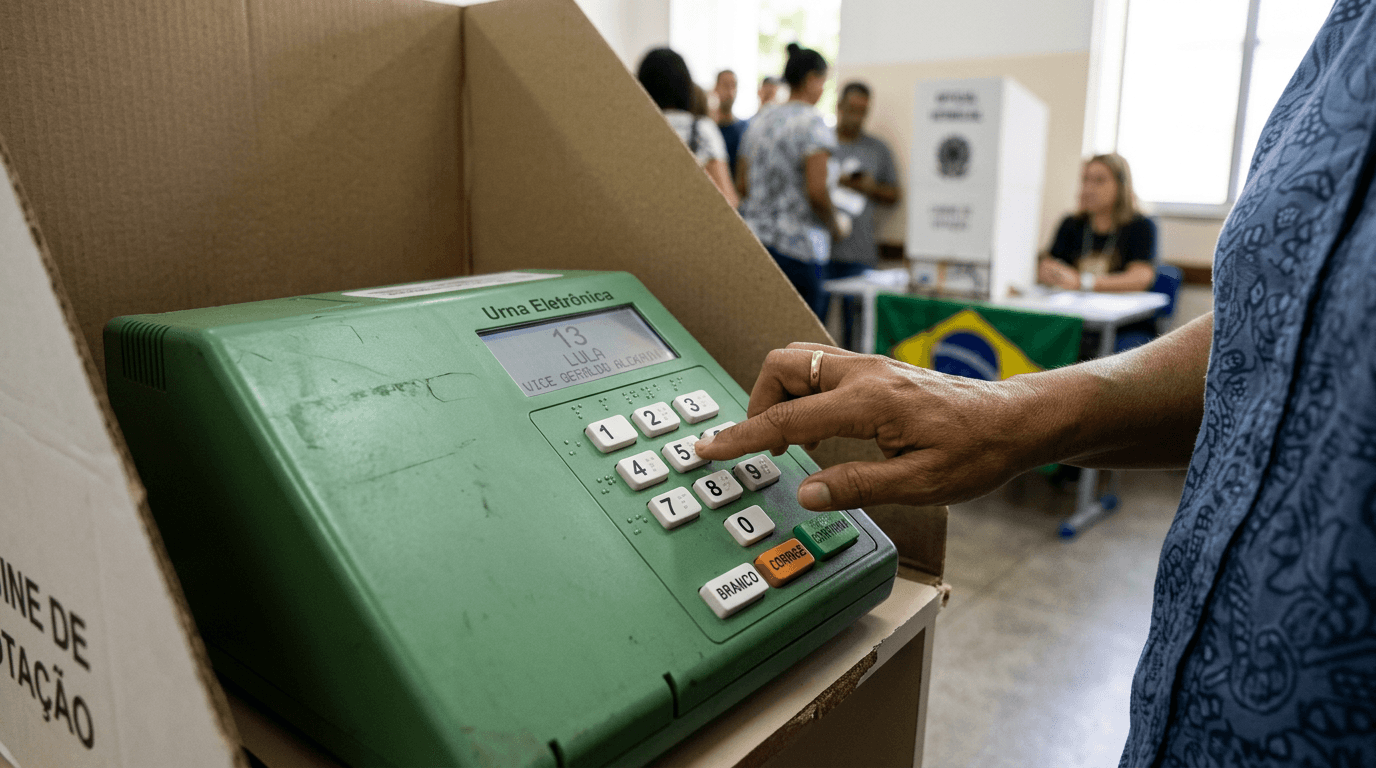
On October 4, 2026, millions of citizens cast their ballots in the first round of a highly competitive presidential election, a pivotal moment that will determine the trajectory of Latin America’s largest economy. The race is led by incumbent President Luiz Inácio Lula da Silva of the left-wing Workers' Party (PT) and Senator Flávio Bolsonaro of the right-wing Liberal Party (PL)—the son of former President Jair Bolsonaro. Alongside them, Romeu Zema, the former governor of Minas Gerais representing the pro-market Novo party, presents a distinct libertarian alternative.
The outcome of this election will shape Brazil’s fiscal framework, the future of its tax system, and the balance between state-driven credit and privatization. According to their official government programs registered with the Superior Electoral Court (TSE), the three candidates offer starkly divergent paths for managing public debt, stimulating job growth, and allocating capital.
Lula: Fiscal Continuity and State-Driven Investment
President Lula’s economic platform centers on continuity and targeted public-private partnerships. He proposes maintaining the current fiscal framework (arcabouço fiscal), which was designed to replace the previous rigid spending cap, while focusing on increasing tax progressivity to tax the wealthy more heavily. To stimulate the economy, Lula plans to expand public and private investments, particularly in infrastructure. His program highlights plans to improve the market for infrastructure debentures, encourage private equity participation funds, and foster secondary markets for receivables to attract long-term institutional investors.
Flávio Bolsonaro: Administrative Downsizing and "Tesouraço"
Senator Flávio Bolsonaro advocates for a sharp pivot toward fiscal austerity and administrative reform. His platform proposes a complete reformulation of the country's fiscal rules to aggressively target primary surpluses and stabilize the growing public debt. To achieve this, Bolsonaro promises a "tesouraço" (big scissor cut) to downsize the federal government. His plan includes cutting at least ten federal ministries, reducing the number of politically appointed commission positions, and slashing administrative overhead. For state-owned enterprises, he pledges to enforce strictly technical criteria for appointing directors to curb political interference.
Romeu Zema: Privatization and "Sócios do Brasil"
Romeu Zema offers the most radical pro-market agenda, focusing on extensive privatizations, state downsizing, and reducing corporate tax burdens. Zema’s platform aims to eliminate red tape for businesses to foster job creation. One of his most distinct proposals is the "Sócios do Brasil" (Partners of Brazil) program. Under this initiative, the federal government would deposit R$ 1,000 into a stock-market fund for every Brazilian child at birth. The capital would remain locked in equity funds for 18 years to foster long-term financial literacy and personal wealth accumulation before being eligible for withdrawal.
As voters head to the polls, the immediate challenge for whoever takes office in January 2027 will be addressing Brazil's persistent fiscal deficit and stabilizing a public debt trajectory that continues to worry domestic and international observers.
What it touches
The election's outcome directly influences the iShares MSCI Brazil ETF (EWZ), the primary vehicle for foreign investors tracking Brazilian equities. A victory for Flávio Bolsonaro or Romeu Zema, with their focus on spending cuts and privatizations, historically appeals to foreign capital markets, potentially boosting state-controlled giants like Petrobras (PETR4) and Banco do Brasil (BBAS3). Conversely, a second term for Lula provides policy predictability regarding the current tax reform transition and the arcabouço fiscal, but keeps market attention focused on government spending levels and public debt management.
Related coverage
 Telefônica Brasil Confirms December Payout to New York InvestorsTelefônica Brasil confirmed the December payment date for a previously approved interest-on-capital distribution. Here is what ADS holders can expect.
 Fed, Fiscal Fears Push US Dollar to 19-Month High Against Brazil RealA hawkish Fed and weakened Brazilian fiscal savings push the US dollar to its highest level since April 2025, devaluing American investor returns.
 Banco do Brasil Halves 2026 Profit Forecast on Farm DefaultsState-controlled Banco do Brasil slashed its 2026 profit guidance by 50% after rising defaults among soy, corn, and cattle producers drove a Q3 profit drop.