

Private farm debt in Brazil hits $107 billion as bank credit slows
Brazilian farmers are increasingly bypassing traditional state-subsidized bank credit to issue private securities, driving private farm debt to $107 billion.
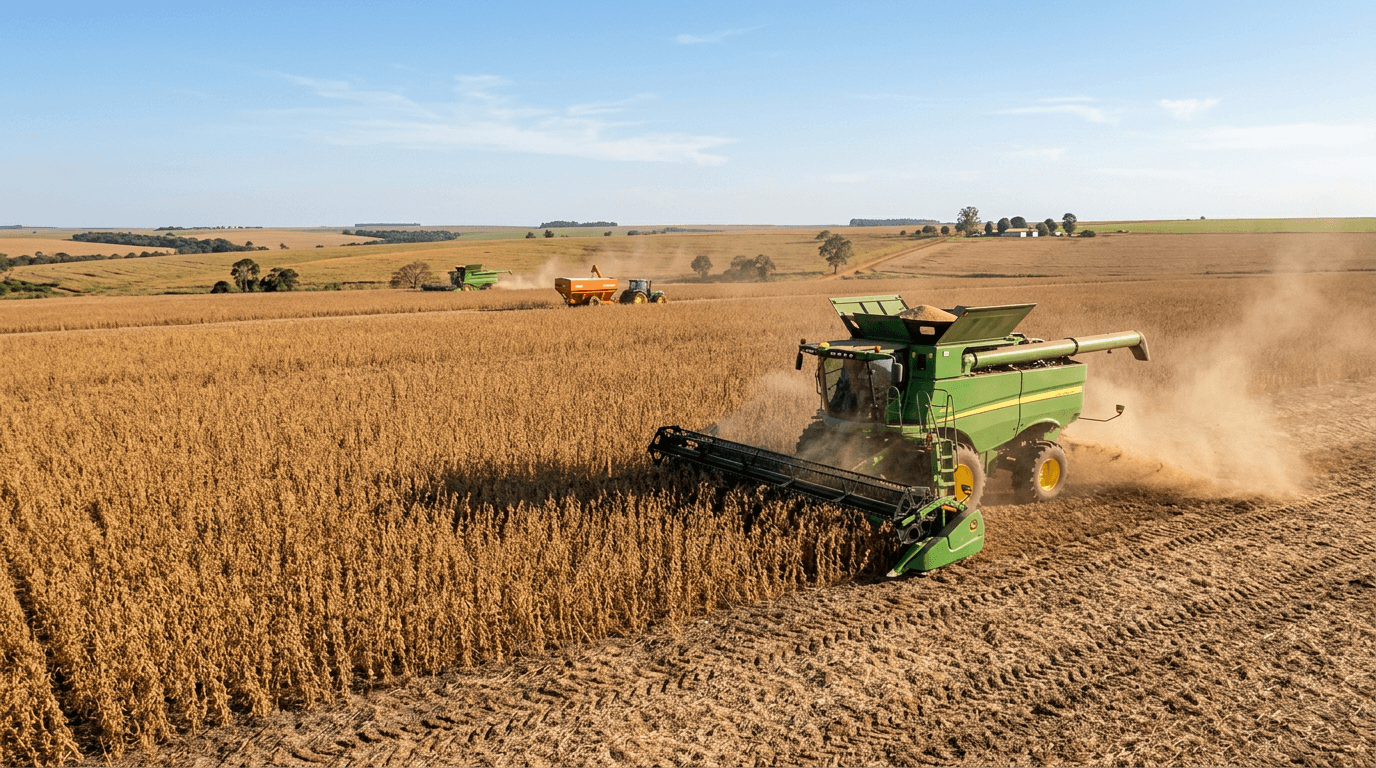
Global investors holding emerging-market debt or agricultural funds are quietly becoming exposed to a massive structural shift in how the world’s largest soybean exporter finances its crops. Driven by high interest rates and tightening government budgets, Brazilian farmers are increasingly bypassing traditional state-subsidized bank loans to fund their operations through private capital markets.
According to the Brazilian Ministry of Agriculture's September 2026 report, the outstanding stock of private Rural Product Notes—known locally as CPRs (Cédulas de Produto Rural)—has surged to R$ 597 billion ($107 billion). For the first time, these private, crop-backed debt instruments have surpassed traditional agribusiness credit notes (LCAs), which stood at R$ 563 billion in September 2026. LCAs are bank-issued, tax-exempt securities that have historically been the primary vehicle for channeling private savings into Brazilian farming.
This rapid expansion of private debt comes as Brazil's official, subsidized agricultural credit program, the Plano Safra, experiences a significant bottleneck. Run by the federal government under President Luiz Inácio Lula da Silva, the Plano Safra recorded its lowest initial two-month volume in five seasons according to Ministry of Agriculture data. Subsidized lending fell 26.4% year-on-year to R$ 52.4 billion for the first two months of the 2026/27 crop cycle, forcing farmers to seek alternative financing in the private market.
Rising defaults and political risk
The shift to private credit is occurring against a backdrop of heightened financial stress for Brazilian growers. Lower global grain margins, high domestic interest rates, and severe weather events have squeezed farm profitability, leading to a sharp rise in farm bankruptcies and creditor-led land auctions. In response, the Brazilian government has had to negotiate debt relief packages, including a measure in mid-2026 allowing defaulted private CPRs to be restructured under state-backed credit guarantee programs.
For international investors, this transition presents a dual-edged sword. While the deepening of Brazil's private agricultural debt market offers institutional investors and specialized funds direct access to high-yielding agricultural assets, it also concentrates default risk outside the traditional banking sector. If crop failures or low commodity prices persist, private credit funds and individual bondholders will bear the brunt of restructuring negotiations, rather than state-backed institutions like Banco do Brasil.
In your brokerage app
American retail investors do not typically buy individual Brazilian crop notes, but they are exposed to this credit transition through broad emerging-market debt funds and specialized agricultural exchange-traded funds. The VanEck Vectors Agribusiness ETF, listed in New York, holds equity stakes in global agricultural giants with heavy credit exposure to Brazilian farmers, including major seed, fertilizer, and grain-trading multinationals that frequently accept CPRs as payment for inputs.
Related coverage
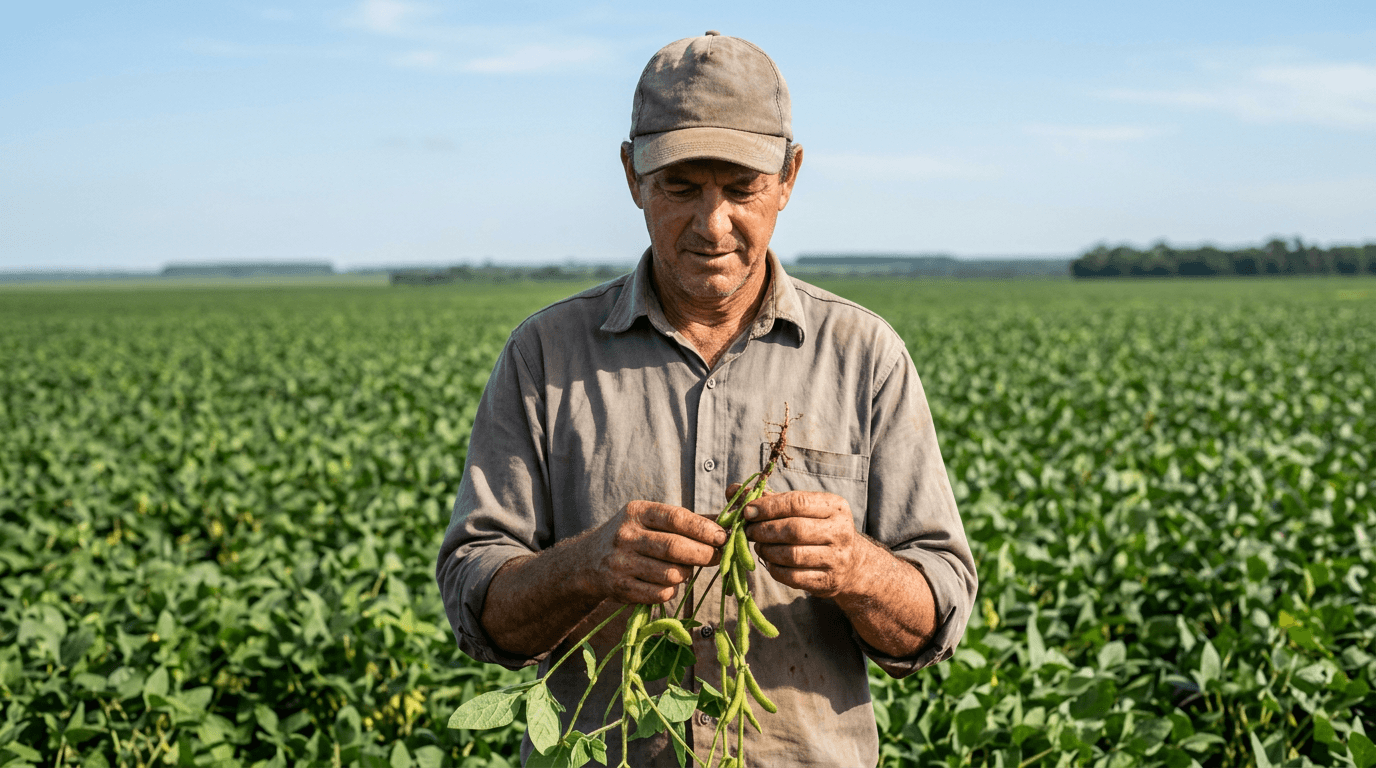 Speculators Maintain Strong Net-Long Position in Soybean FuturesCFTC data as of November 17, 2026, shows large speculators holding 145,816 net-long contracts in Chicago Board of Trade soybeans.
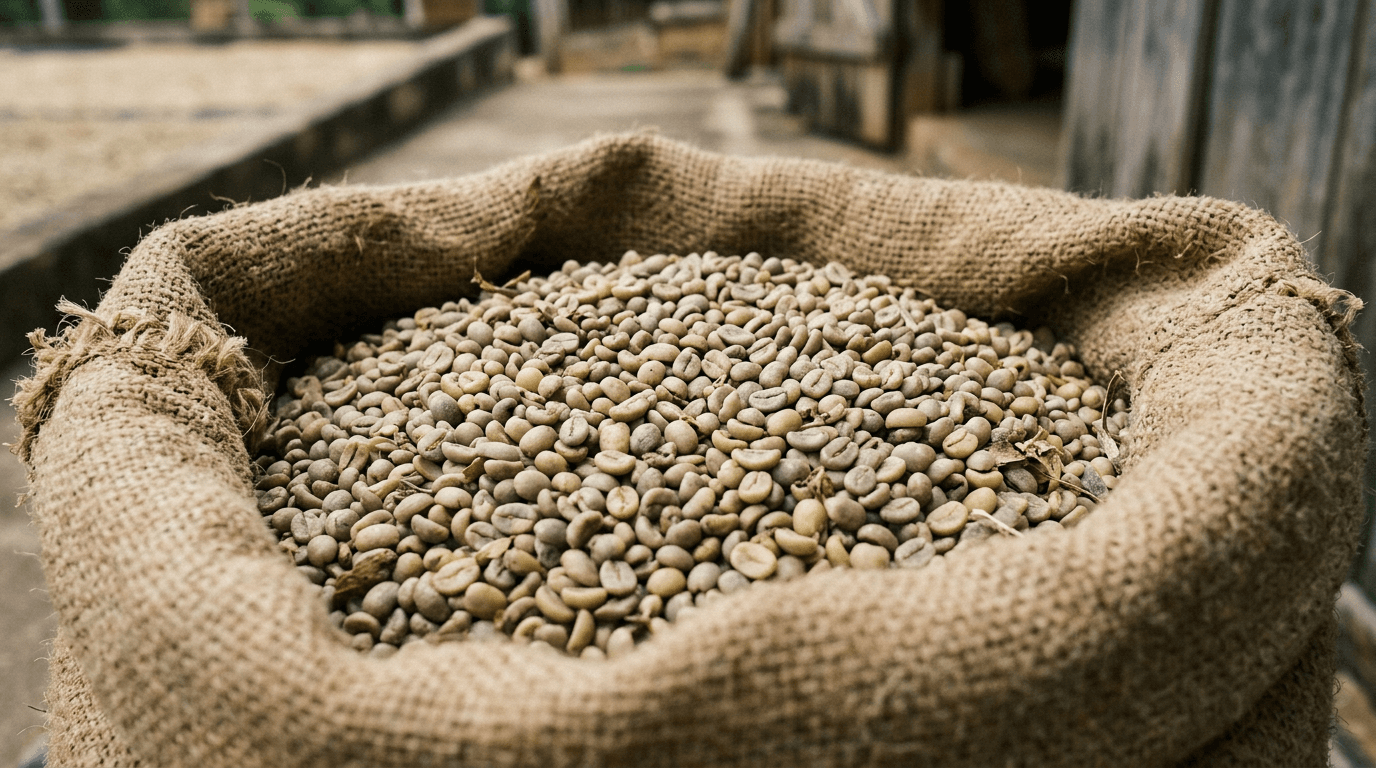 USDA Forecasts Record 72.5 Million Bag Coffee Crop, Futures DropBrazil's 2026/27 coffee crop is forecast at a record 72.5 million bags, boosting exports by 25.8% and squeezing arabica futures despite port bottlenecks.
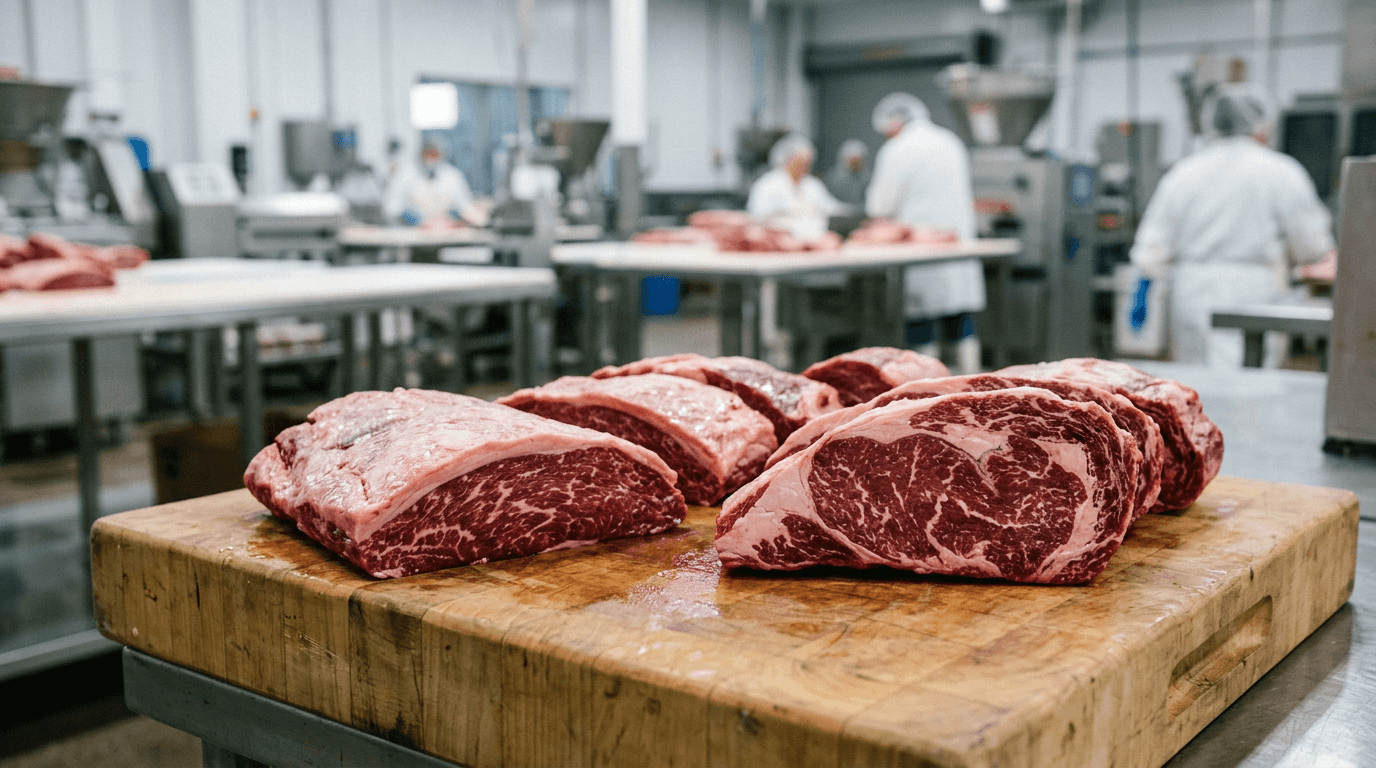 JBS Faces Headwinds as Macron Attacks Brazilian Beef QualityEmmanuel Macron calls Brazilian beef 'doped' and celebrates EU import bans, complicating JBS’s push to restore access to the premium European market.