

USDA Forecasts Record 72.5 Million Bag Coffee Crop, Futures Drop
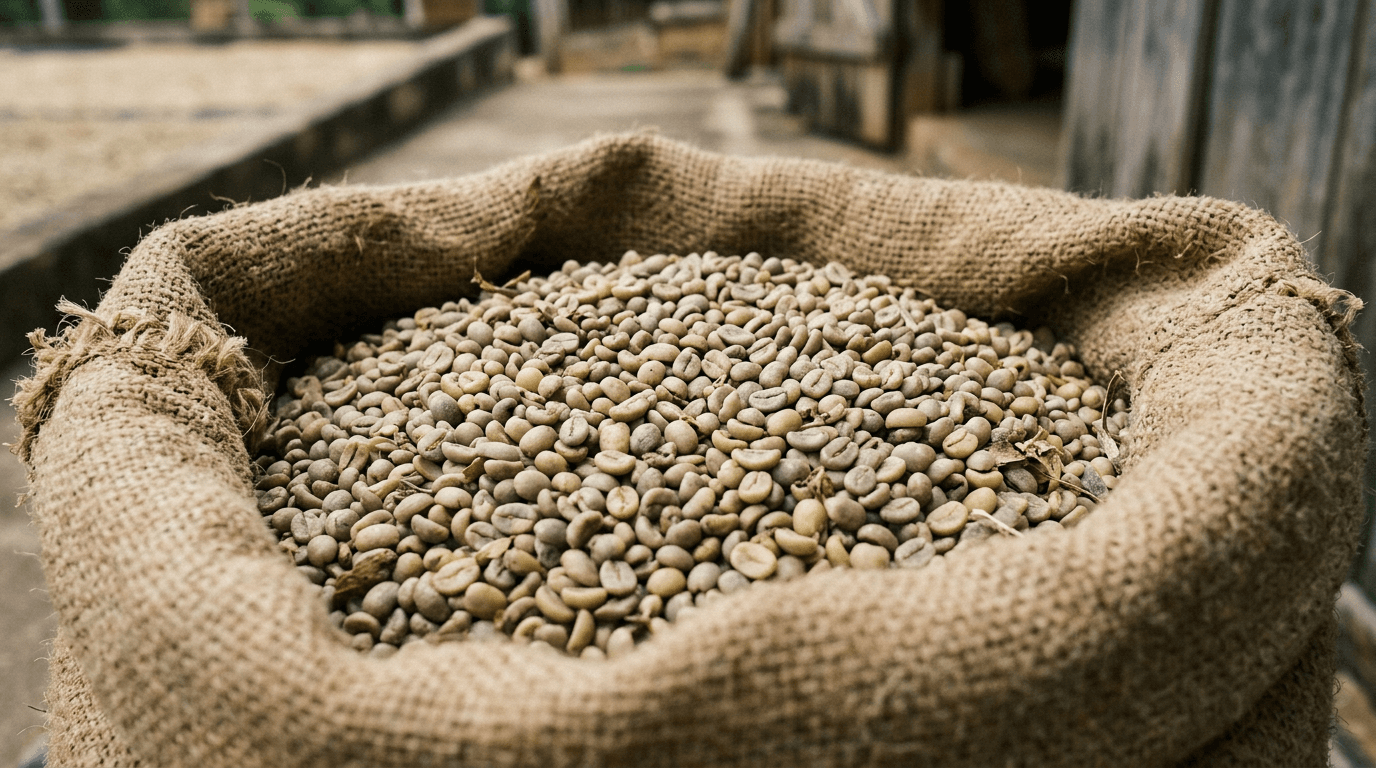
Brazil's 2026/27 coffee crop is forecast at a record 72.5 million bags, boosting exports by 25.8% and squeezing arabica futures despite port bottlenecks.
Key takeaways
- Brazil coffee crop forecast at record 72.5 million bags, up 15.1%, per USDA FAS on November 28, 2026
- Export volumes projected to rise 25.8% to 49.07 million bags, per USDA FAS on November 28, 2026
- March Arabica futures settled down 1.92% to 262.60 cents/lb, per CocoaIntel on November 24, 2026
American retail investors tracking commodity exchange-traded funds or shares of major beverage giants face an impending margin shift, as a November 28, 2026 USDA Brazil coffee report forecasts a massive global supply wave that is already cooling arabica futures. The release points to an unprecedented export pipeline that will directly affect corporate raw-material expenses and retail beverage pricing in the coming months.
According to details from the coffee report published on November 28, 2026, by the USDA Foreign Agricultural Service (FAS) in Brasília and covered by Global Agriculture, Brazil’s coffee crop for the 2026/27 marketing year is forecast to hit a record-high 72.5 million 60-kilogram bags, marking a 15.1% increase year-on-year. Driven entirely by Arabica, which the USDA FAS office forecast at 49.2 million bags on November 28, 2026—representing a 29.5% increase from the previous cycle—the country’s total coffee exports are projected to jump 25.8% to an unprecedented 49.07 million bags.
The anticipated arrival of this massive harvest is already squeezing the futures market. March Arabica futures settled at 262.60 cents per pound on November 24, 2026, dropping 1.92% in a single session, according to data from CocoaIntel. As Brazil cleared more than 3 million bags of coffee for export in late November 2026, according to CocoaIntel, the influx of physical supply narrowed nearby delivery premiums, offering potential cost relief to commercial buyers but dampening the short-term prospects of commodity-focused portfolios.
However, this record-breaking volume comes with a significant catch. Late-season heavy rains in Minas Gerais—the heart of Brazil’s Arabica coffee belt—have severely delayed harvesting and drying operations, lowering the average quality of the crop, as detailed in the November 28, 2026 report by the USDA Foreign Agricultural Service. This high-volume, lower-quality Arabica mix has created immediate logistics headaches, as Brazilian exporters compete fiercely for limited port infrastructure and shipping containers against major grain shippers, resulting in short-term transport bottlenecks at key marine terminals.
In the coming months, global buyers will monitor how quickly Brazil’s ports can clear this logistics backlog and whether international roasting giants modify their blends to incorporate more of this lower-grade Arabica. Additionally, the longer-term outlook remains clouded by a projected El Niño cycle, which the USDA Foreign Agricultural Service noted in its November 28, 2026 report could threaten the subsequent 2027/28 crop during its natural low-yield biennial year.
In your brokerage app
Retail investors holding the iPath Series B Bloomberg Coffee Subindex Total Return ETN, which tracks coffee futures, may experience continued volatility as the physical Brazilian supply clears through global exchanges. At the same time, major retail coffee brands listed in New York, such as Starbucks Corporation, could eventually see lower green-coffee input costs, potentially improving their operating margins if retail prices remain steady.
Related coverage
 Speculators Maintain Strong Net-Long Position in Soybean FuturesCFTC data as of November 17, 2026, shows large speculators holding 145,816 net-long contracts in Chicago Board of Trade soybeans.
 JBS Faces Headwinds as Macron Attacks Brazilian Beef QualityEmmanuel Macron calls Brazilian beef 'doped' and celebrates EU import bans, complicating JBS’s push to restore access to the premium European market.