
EU Audit Clears Technical Hurdle for Brazil’s Poultry and Honey Exports to Resume
A report from the European Commission’s DG Santé confirmed that Brazil's control systems for poultry and honey meet EU sanitary requirements, paving the way for the two products to potentially re-enter the critical European market after a September ban.
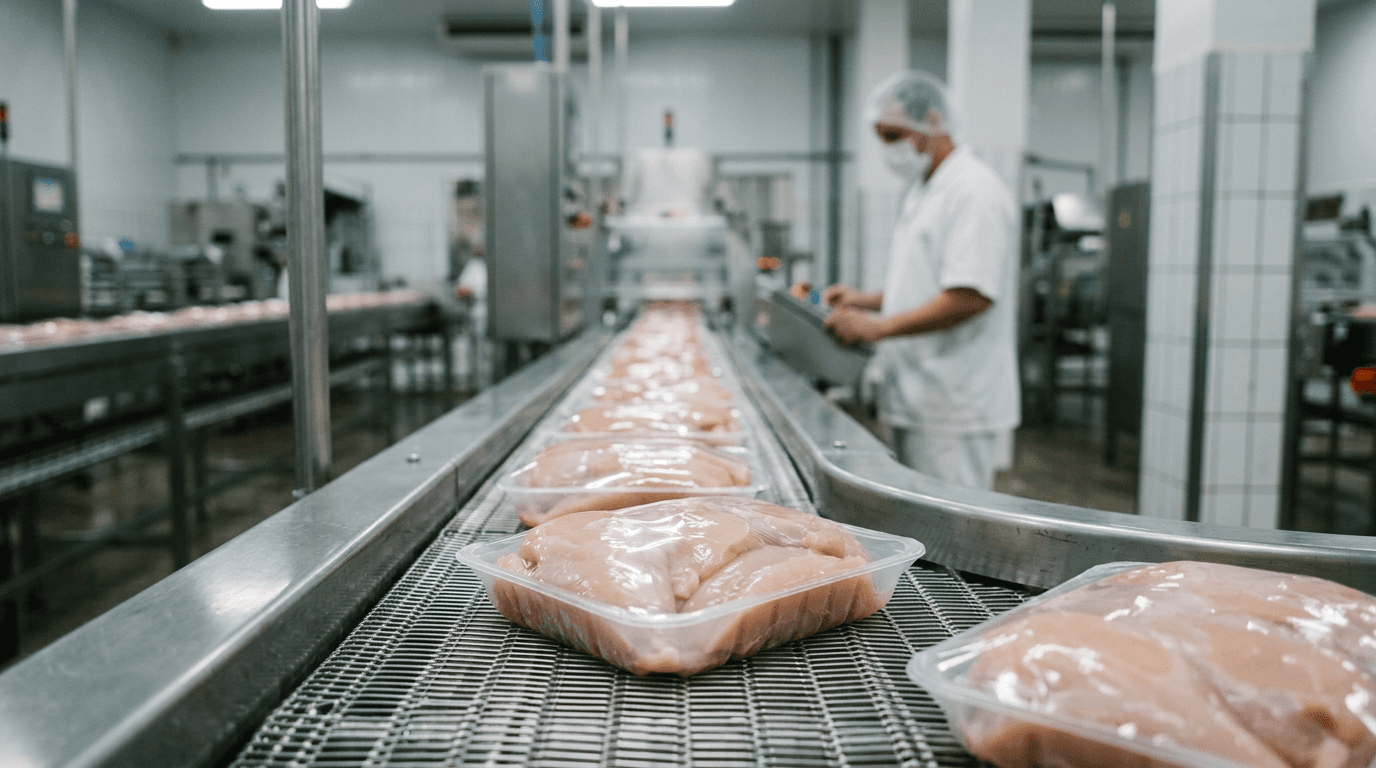
The European Commission's Directorate-General for Health and Food Safety (DG Santé) published a report on September 28, 2026, concluding that Brazil's controls for poultry meat and honey production meet European Union requirements, removing a major technical barrier to the resumption of exports. The audit found that Brazil's new legal framework and official inspection system are capable of providing the necessary sanitary guarantees regarding the use of antimicrobials, which are key to accessing the bloc's market.
This positive assessment follows a nearly month-long EU embargo on Brazilian animal products, including poultry and honey, which took effect on September 3, 2026. The suspension was triggered by new EU regulations on veterinary medicinal products (Regulation (EU) 2019/6) that restrict the use of certain antimicrobials as growth promoters or in ways reserved for human medicine—a measure intended to combat antimicrobial resistance. Brazil, a vital global supplier of animal protein, was required to demonstrate that its control systems met the new standards for the entire supply chain.
Inspectors conducted an on-site audit between late August and early September, focusing on the Brazilian Ministry of Agriculture and Livestock (MAPA), along with farms, feed manufacturers, and slaughterhouses. For Brazilian chicken, which was the EU’s largest source of imports before the ban, the audit found that new measures—such as official farm-level verification and digital tracking of veterinary prescriptions—provide a solid basis for compliance.
While the technical hurdle for poultry and honey has been cleared, the resumption of trade is not automatic. The final decision rests with the EU Member States, who must vote to re-include Brazil on the list of authorized suppliers. This vote is scheduled to take place at a meeting of the Standing Committee on Plants, Animals, Food and Feed (SCoPAFF) on October 20-21, 2026.
The audit's success is a significant relief for two of Brazil's major agricultural sectors, but it does not apply to all animal products. Beef exports, which were also suspended on September 3, were not included in this audit and remain subject to a separate evaluation. EU officials have indicated that compliance for beef is a more complex issue due to the cattle's two-year lifespan, suggesting that the ban on Brazilian beef could last for at least two years.
What it touches
The prospect of market access returning within weeks is a material development for Brazil’s agricultural sector, particularly major poultry producers and honey exporters. It directly impacts the trade flow between the world's largest animal protein exporter and a critical market, providing stability to the two commodity chains after an abrupt disruption.