
Search
7 results for “Boi Gordo Price”
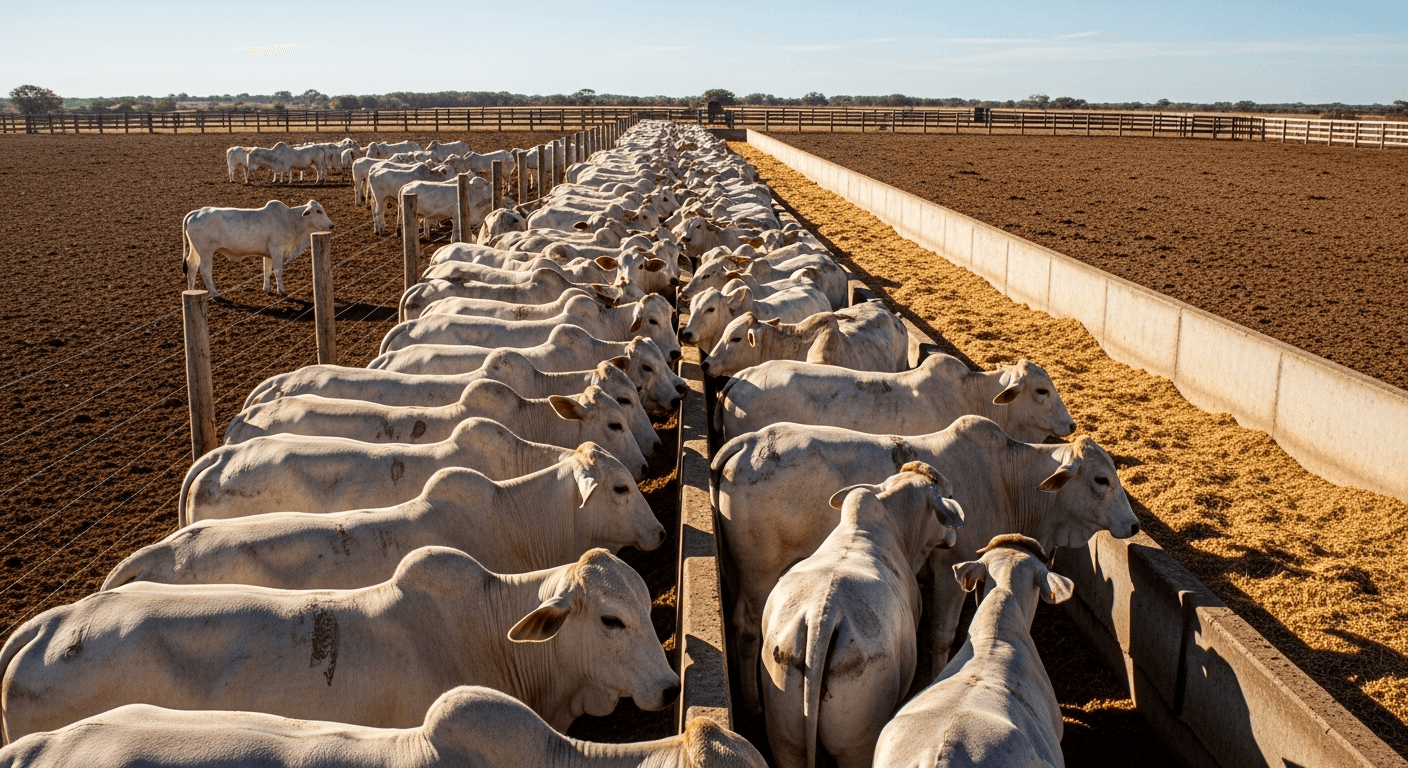
Brazil Cattle Prices Cool as Confinement Supply Arrives
Brazil's July boi gordo price spike is set to ease in August as feedlot cattle supply enters the market, relieving pressure on major beef processor margins.
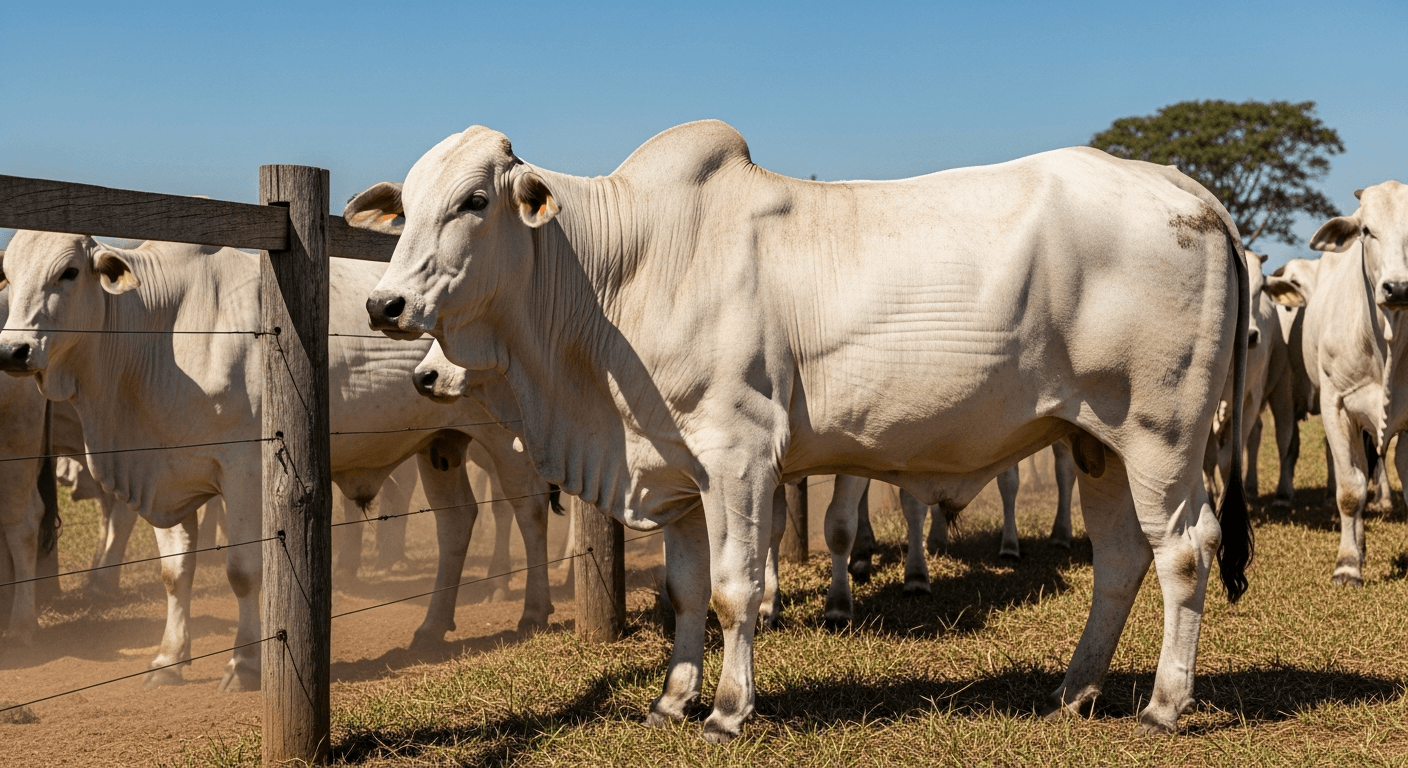
Tight Supply and Seasonal Demand Push Brazil’s Boi Gordo Prices Up 4.48%
Brazilian fat cattle prices rose sharply in July, hitting R$350/@, driven by restricted supply and strong seasonal domestic demand.

Restricted Cattle Supply Pushes Boi Gordo Prices to R$350/Arroba, Squeezing Meatpacker Margins
Brazil's fattened cattle prices are firming on tight supply, pressuring margins for meatpackers like JBS (JBSS3) and Marfrig (MRFG3).

Tight Supply Drives Brazilian Boi Gordo Price to R$355/@, Bullish Signal for Live Cattle Futures
Reduced availability of slaughter animals in Brazil is forcing up live cattle prices, pressuring meatpacker margins.

Brazil Fat Cattle Price Hits R$350/Arroba Amid Atypical Supply Squeeze, Squeezing Meatpacker Margins
Brazilian *Boi Gordo* price is near R$350/arroba in late July, signaling high input costs for meatpackers like JBS and Marfrig.
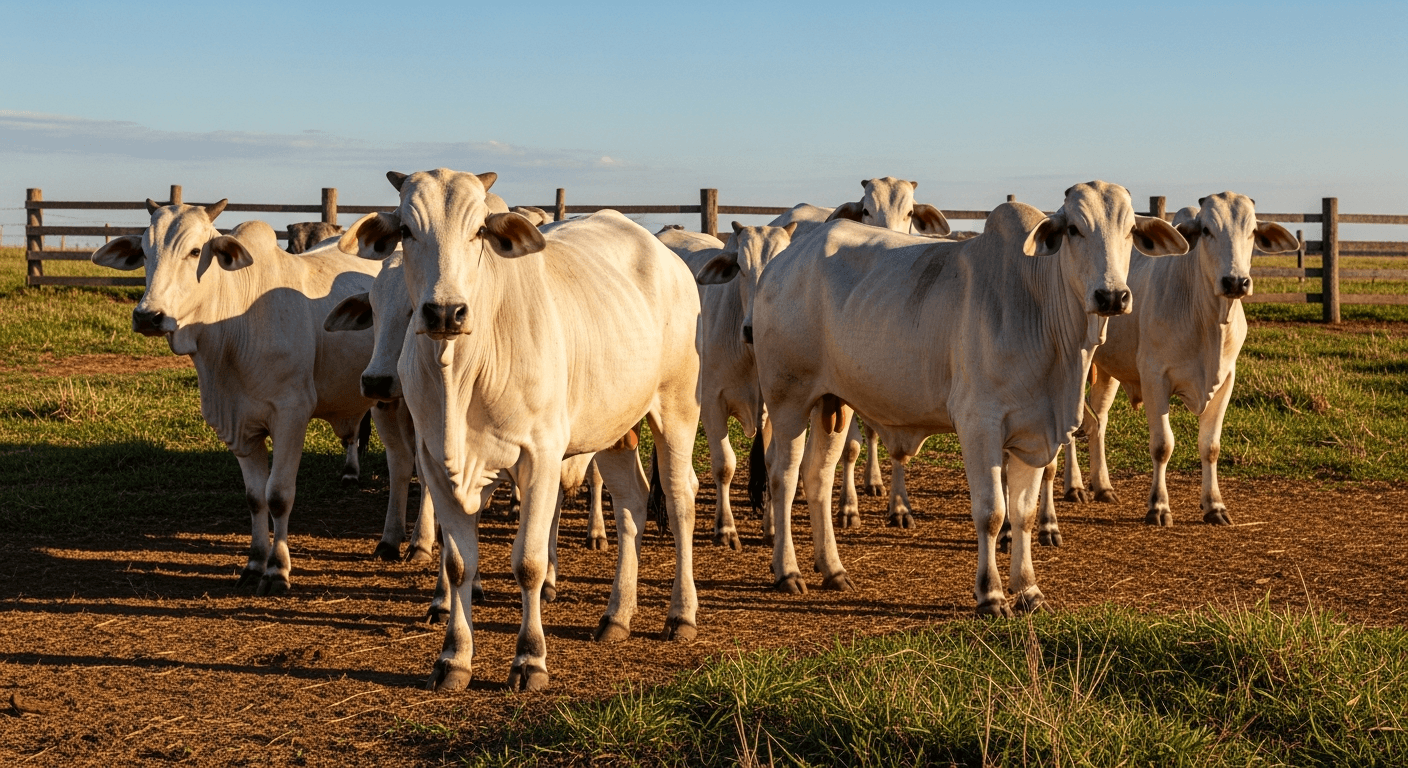
Brazil Cattle Supply Squeeze Drives Up Beef Prices
A structural reduction in cattle herds is squeezing meatpacker margins, pushing Brazil's boi gordo prices back toward historic nominal highs.

Brazil Cattle Prices Projected to Rise on Supply Squeeze
Brazilian boi gordo prices are expected to recover in late 2026 due to a severe domestic cattle supply squeeze and robust international demand.