
Brazil Cattle Supply Squeeze Drives Up Beef Prices
A structural reduction in cattle herds is squeezing meatpacker margins, pushing Brazil's boi gordo prices back toward historic nominal highs.
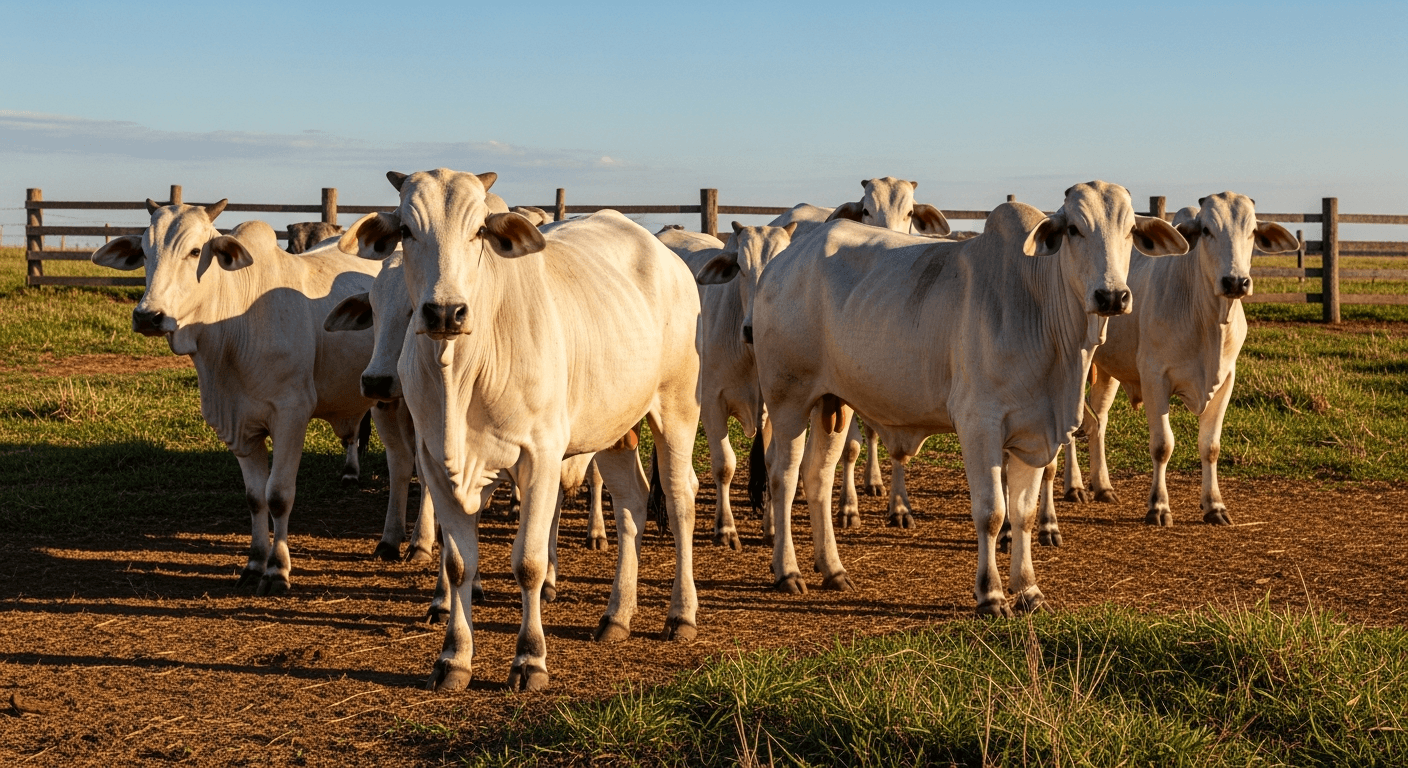
A severe structural reduction in cattle herds is driving up beef prices in Brazil, creating a challenging environment for major global meatpackers. The price of the standard "boi gordo" (fat cattle) has rebounded strongly in July 2026, as meatpackers struggle to fill their slaughter schedules due to an extremely tight supply of animals. This rapid price recovery has effectively narrowed the price gap between standard domestic cattle and premium "China-spec" beef, as exporters stop paying a premium with the Chinese import quota nearing its limit.
According to data from Cepea, the physical price of the boi gordo in São Paulo jumped to R$ 342.45 per arroba on July 21, 2026, completely reversing a 3.5% decline observed earlier in the month. Similar price spikes of R$ 5.00 in a single day were recorded in Rio Verde, Goiás, and Minas Gerais. This upward trend is supported by a historic rate of female cattle slaughter over the past cycle, which has severely restricted the current availability of animals and established a long-term upward trajectory for livestock costs.
For global investors tracking the Brazil ETF (EWZ) or considering whether to invest in Brazil, this supply shock directly impacts major Brazilian ADRs and B3 stocks. Companies like Minerva (BEEF3), JBS (JBSS3), and Marfrig (MRFG3) are facing compressed margins domestically as raw material costs rise. Meanwhile, regional weather patterns continue to influence pasture conditions; as of late July, Cascavel-PR recorded 26.2mm of rain over seven days with 3 dry days, while key agricultural hubs like Luís Eduardo Magalhães-BA, Sorriso-MT, and Rio Verde-GO remained completely dry with 7 dry days.