
Tight Supply and Seasonal Demand Push Brazil’s Boi Gordo Prices Up 4.48%
Brazilian fat cattle prices rose sharply in July, hitting R$350/@, driven by restricted supply and strong seasonal domestic demand.
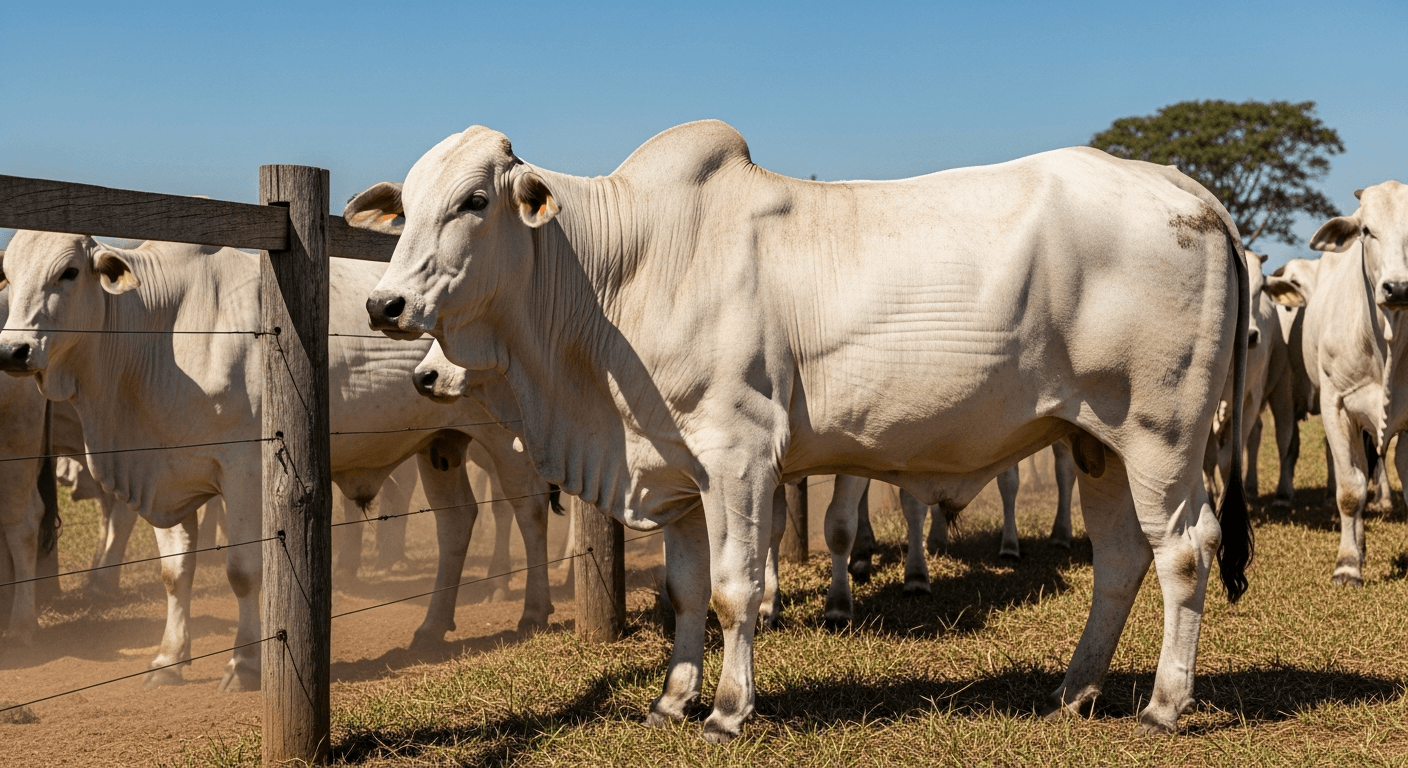
The physical market price for Brazilian fat cattle, or boi gordo, rose 4.48% in July, climbing from R$335.00 to R$350.00 per arroba (term price) in São Paulo, as restricted supply to slaughterhouses coincided with the anticipated seasonal surge in domestic demand. The significant price movement, driven by low availability of finished animals and the imminent boost from payday and Father’s Day weekend purchases, suggests a stronger upward bias for the commodity in early August, putting margin pressure on major Brazilian meatpackers.
The mechanism behind the increase is a confluence of physical tightness and demand timing. Slaughterhouses continue to report difficulties in sourcing finished animals, leading to shorter slaughter schedules. Adding to this supply crunch is the seasonal factor: the start of the month brings higher domestic consumption due to fresh payroll injections and the Father's Day holiday, historically spurring demand for beef. This robust outlook is reflected in the B3's beef futures market, where the August 2026 contract closed near R$347.55 per arroba, supported by the expectation of tighter short-term availability.
For investors in the Brazil agribusiness sector, this movement translates directly into margin headwinds for publicly traded meat processors, specifically Minerva (BEEF3) and Marfrig (MRFG3). As cattle represents the primary input cost for beef production, rising boi gordo prices squeeze profitability for the processing plants. Minerva has previously warned investors that margins are expected to compress in 2026 due to higher input costs, despite the company maintaining a strong top-line revenue driven by export performance and geographic diversification. While strong exports remain a supportive element for the entire chain, the localized price pressure from domestic tightness is a distinct factor.
The market will be watching the pace of slaughter and the sustainability of domestic demand. While the initial Father’s Day boost is firm, the duration of the supply restriction will determine if prices can hold the R$350/@ level through the middle of the month. Key factors to watch include the negotiation speed between frigoríficos (slaughterhouses) and cattle producers, and any shift in the Brazilian real (USD BRL) exchange rate, which influences the competitiveness of beef exports and indirectly impacts domestic pricing. Should slaughter schedules fail to lengthen significantly, meatpackers will face a sustained challenge in passing the higher raw material costs to the wholesale market.