Brazil's Competitive Edge in Agriculture Stokes Global Trade Barrier Fears
ABAG President warns that Brazil's low-cost, high-volume exports will intensify international protectionism against its food sector.


ABAG President warns that Brazil's low-cost, high-volume exports will intensify international protectionism against its food sector.
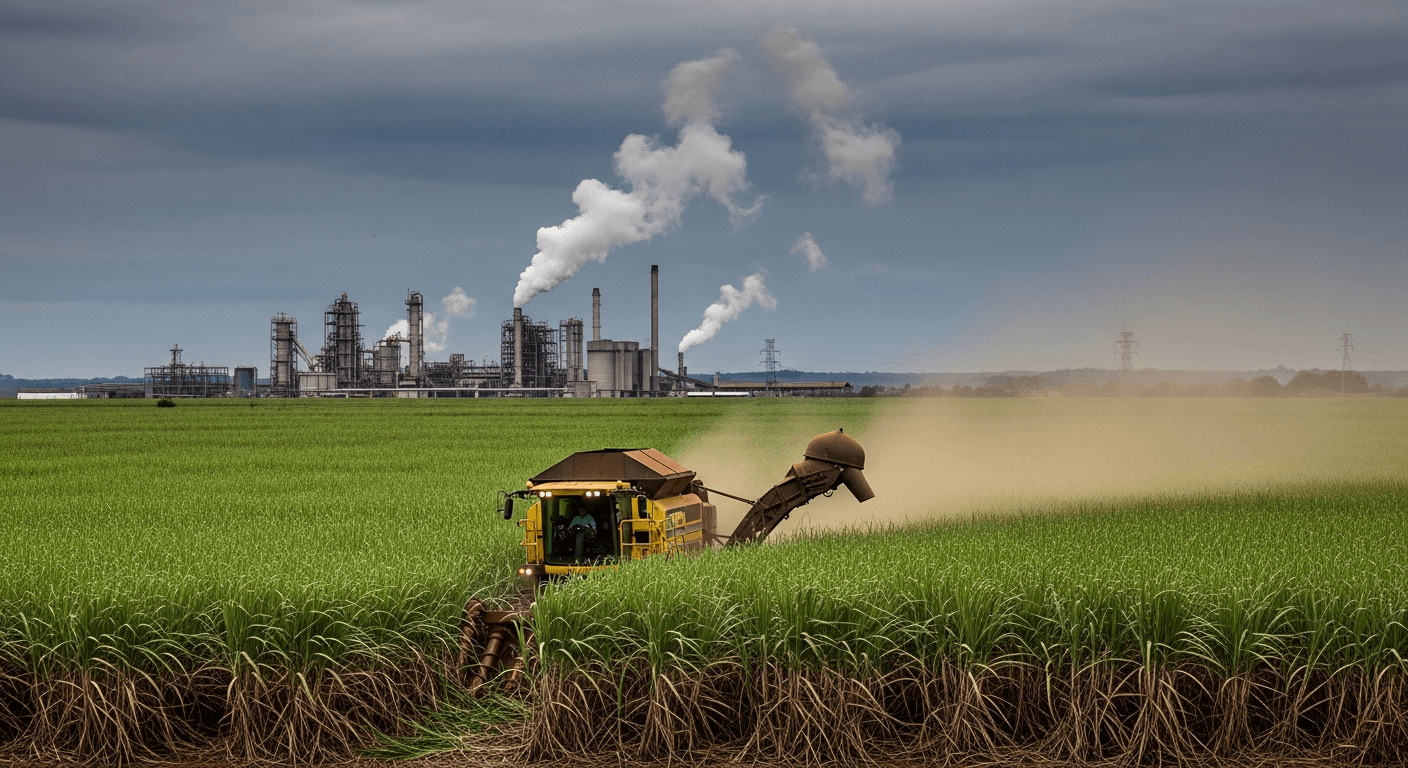
Near-record Brazilian grain output and advanced tropical farming are adding critical resilience to global food supplies amid the 'super El Niño' climate event.
A surge in Brent crude prices is raising inflation fears in Brazil, forcing the Central Bank to pause or slow its Selic rate cutting cycle.
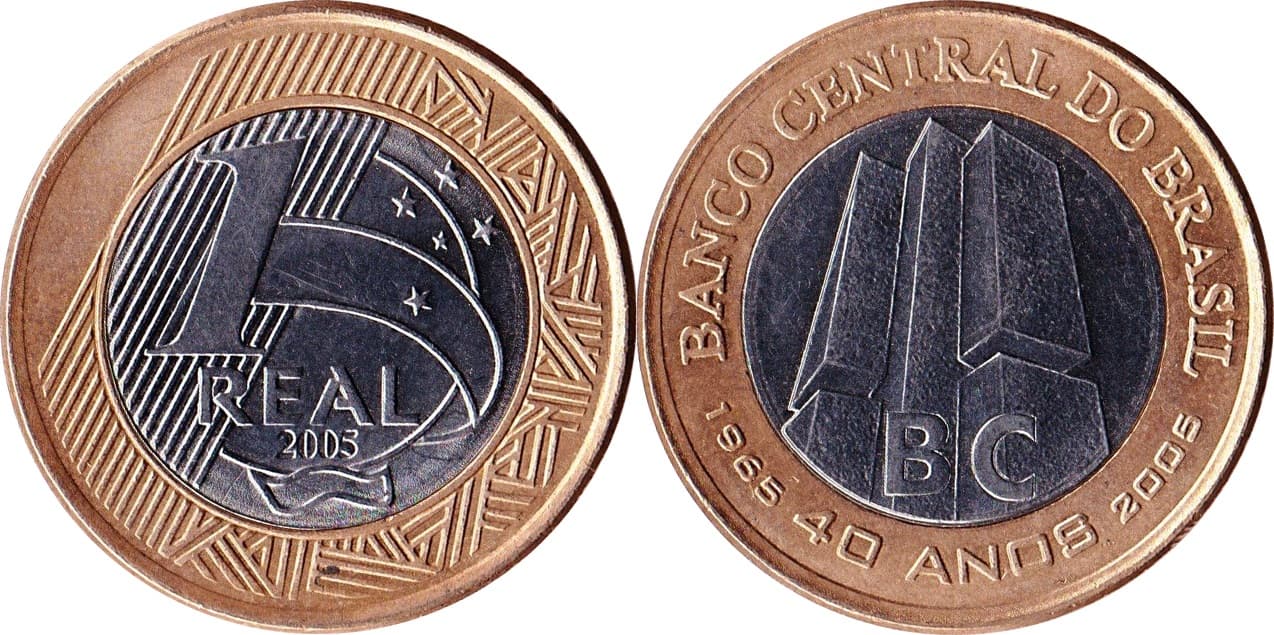
The Banco Central do Brasil’s high Selic rate attracts massive global 'carry trade,' strengthening the Real, yet the high rate is a defensive wall against fiscal uncertainty.
Moody's Local Brasil cut the rating for Brazilian conglomerate Cosan (CSAN3) to A+.br, reflecting the credit deterioration of its subsidiary Raízen.
Brazil's Central Bank uses simultaneous spot sales and reverse FX swaps to manage USD/BRL volatility, boosting the carry trade.
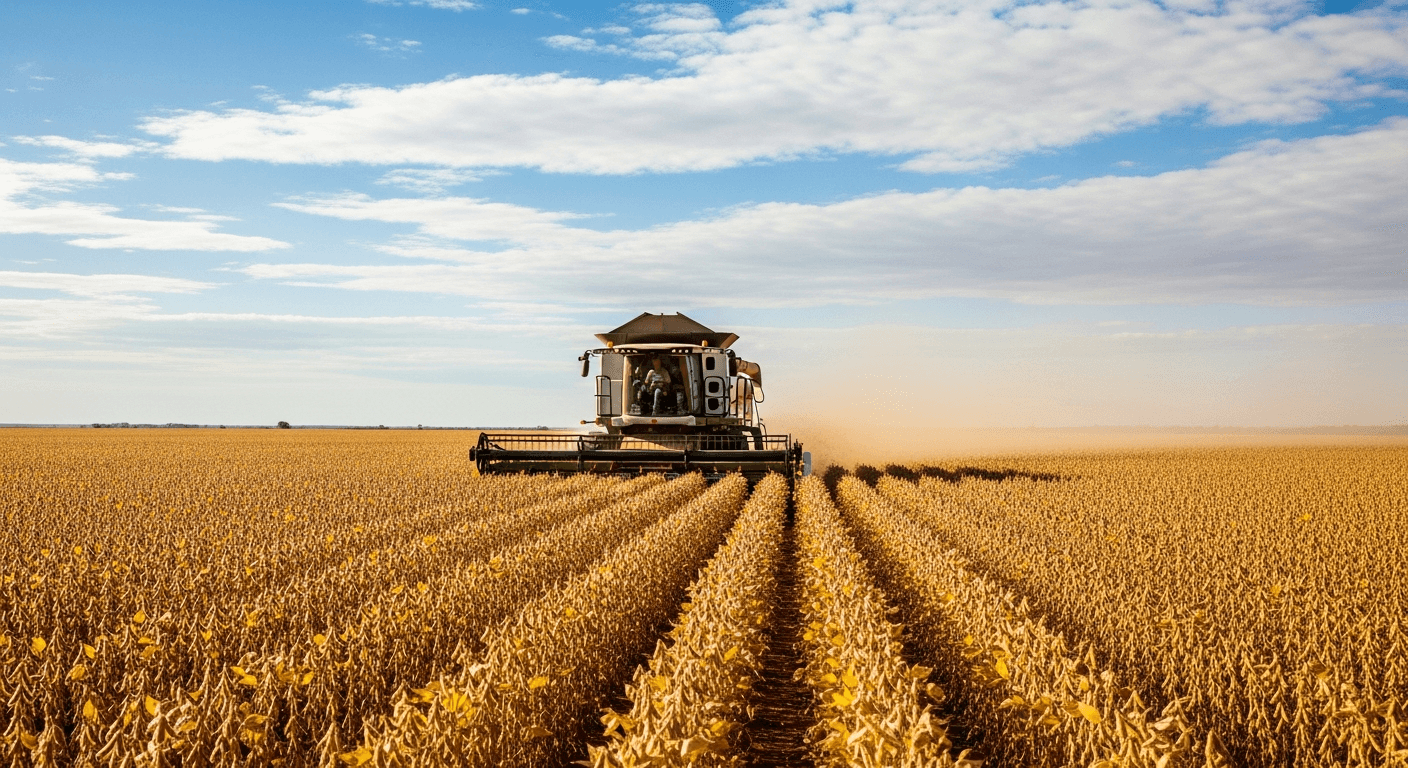
Managed money positions in soybean futures remain near historical highs, signaling a crowded bet that impacts Brazil's massive crop.
Brazil's largest holding company, Itaúsa (ITSA4), greenlights a R$ 2.8B JCP payment for income investors.
Moody's Local Brasil downgrades Cosan to A+.br on risks from Raízen's R$65 billion debt restructuring and holding company's reduced portfolio.
Brazilian aerospace giant Embraer has doubled its minimum 2026 free cash flow forecast and raised its EBIT margin target following a record second quarter.
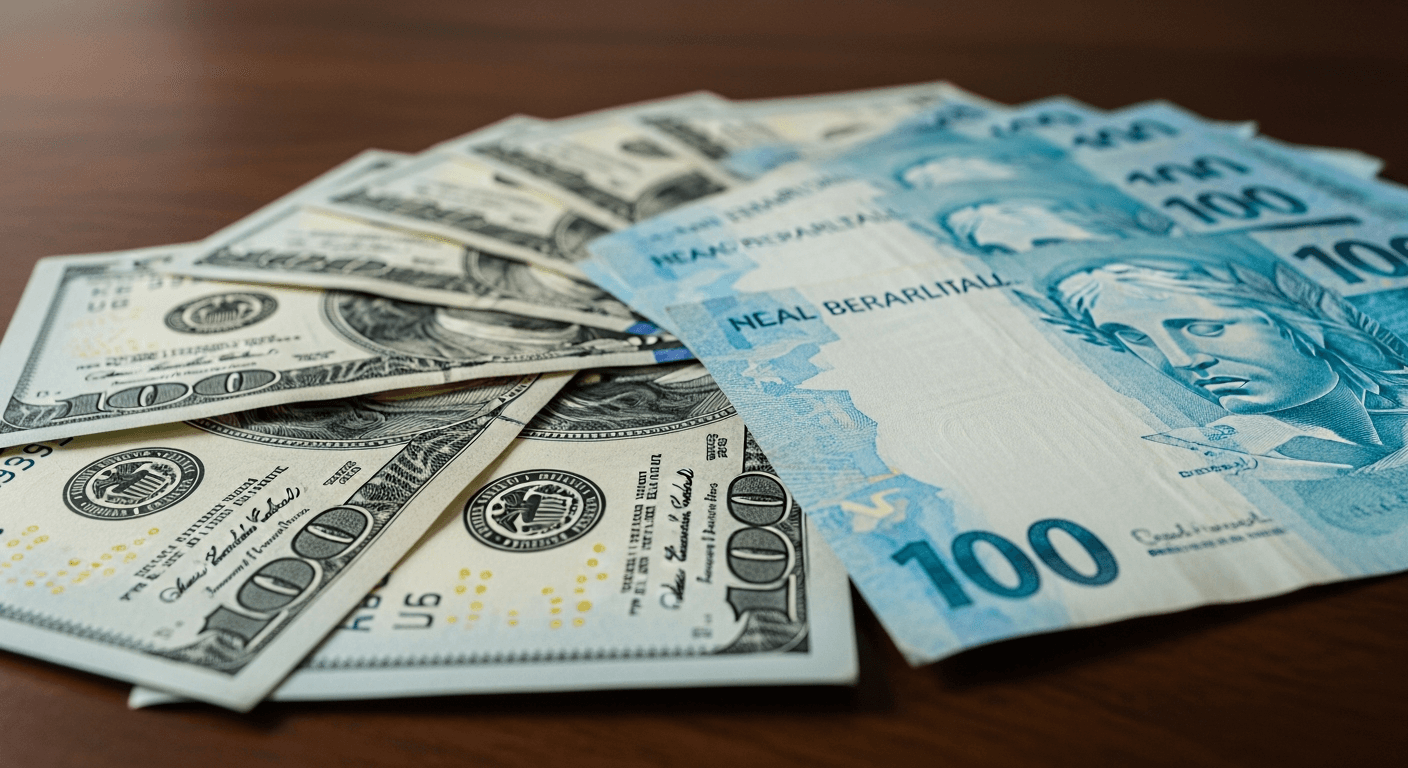
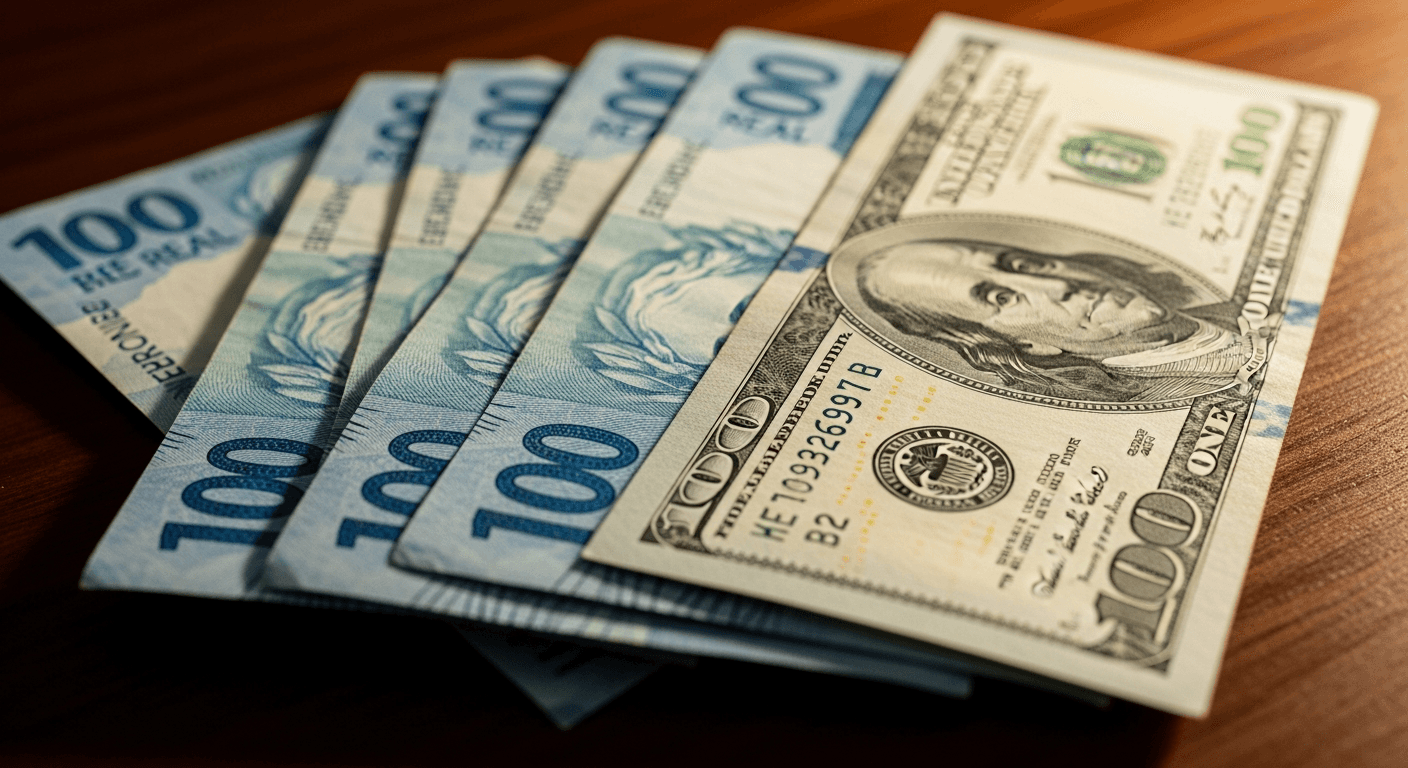
The Brazilian Real loses ground to the US Dollar as global uncertainty over the Middle East and inflation outweighs the lure of high domestic interest rates.
Brazil recorded a net foreign capital inflow of US$17.78 billion in the first half, its highest since 2018, providing a key floor for the Brazilian Real.
Large speculators, or 'managed money,' maintain a high net-long position in soybean futures, signaling bullish expectations for the commodity.
Moody's Local Brasil cut the rating on Brazilian conglomerate Cosan, citing the severe financial distress at its energy subsidiary Raízen.
Brazilian cosmetics giant Natura reported net profit of R$35 million in Q2, a 92.1% drop, citing product unavailability and Brazil macro woes.
Brazilian holding company Itaúsa (ITSA4) reported R$4.3B in Q2 recurring net income and confirmed a R$2.8B Interest on Own Capital (JCP) payment.
The Brazilian Real depreciated past R$5.11 against the US Dollar as geopolitical tension in the Middle East drove investors to safe-haven assets.
Consumer spending powers retail and service growth, while falling commodity prices hit Brazil's Agronegócio GDP.
Large futures traders are heavily net-long on soybean contracts, a bullish signal that defies expectations from Brazil's huge supply.
Hedge funds are betting heavily on rising soybean prices, holding a net-long position of 20,304 contracts.
Brazil's Q2 earnings season wraps up with reports from meatpacker JBS, aerospace manufacturer Embraer, and holding company Itaúsa in focus.
Brazil's Central Bank cut the benchmark Selic rate to 14.00%, shrinking the interest rate differential and eroding the appeal of the BRL carry trade.
Brazil's Selic rate outlook faces a critical test this week with domestic and US inflation data releases.
Brazil records a massive US$17.78 billion foreign capital inflow in the first half of 2026, driven by high interest rates that cushion the Brazilian real.
Foreign investors are increasingly favoring the Colombian Peso over the BRL for carry trade strategies, signaling a cooling in capital inflows.
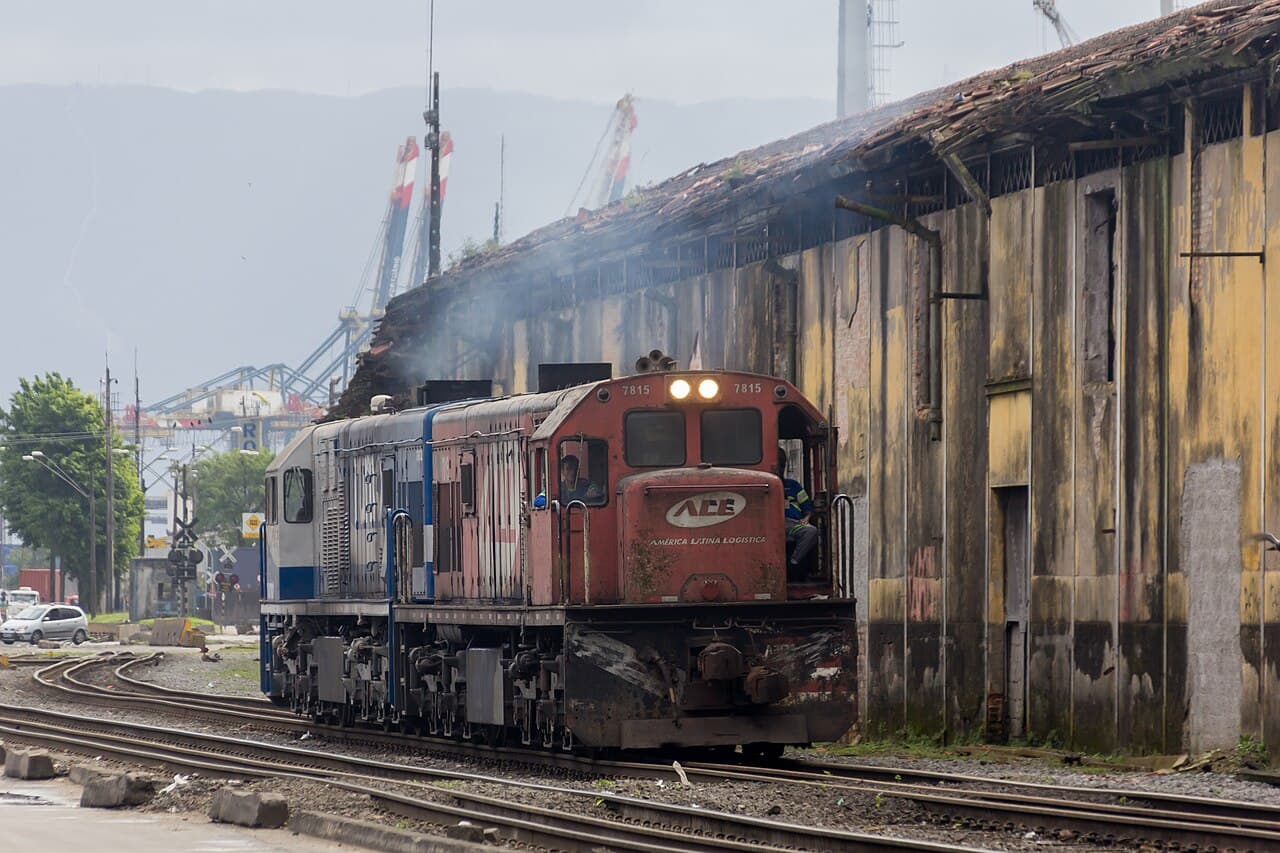
Auction for Port of Santos channel maintenance will test Brazil's new model to boost port efficiency and private investment.
Brazil logged its largest net foreign capital inflow since 2018, totaling US$17.78 billion, reinforcing investor confidence and strengthening the BRL.
Brazil's Q2 earnings season concludes this week with reports from JBS, B3, Itaúsa, and Embraer, setting market tone.
Brazil's Selic rate path hangs on Tuesday's release of Copom Minutes and July IPCA data, defining the outlook for policy easing.
The BRL held firm near R$5.09 against the USD after weak US employment figures, highlighting the currency's local resilience from exporter inflows.