
Brazil Small Cap Index Rallies on Shock Election Lead for Flávio
Conservative Senator Flávio Bolsonaro took a surprise lead over President Lula in the first round, igniting a market rally and lifting domestic small caps.
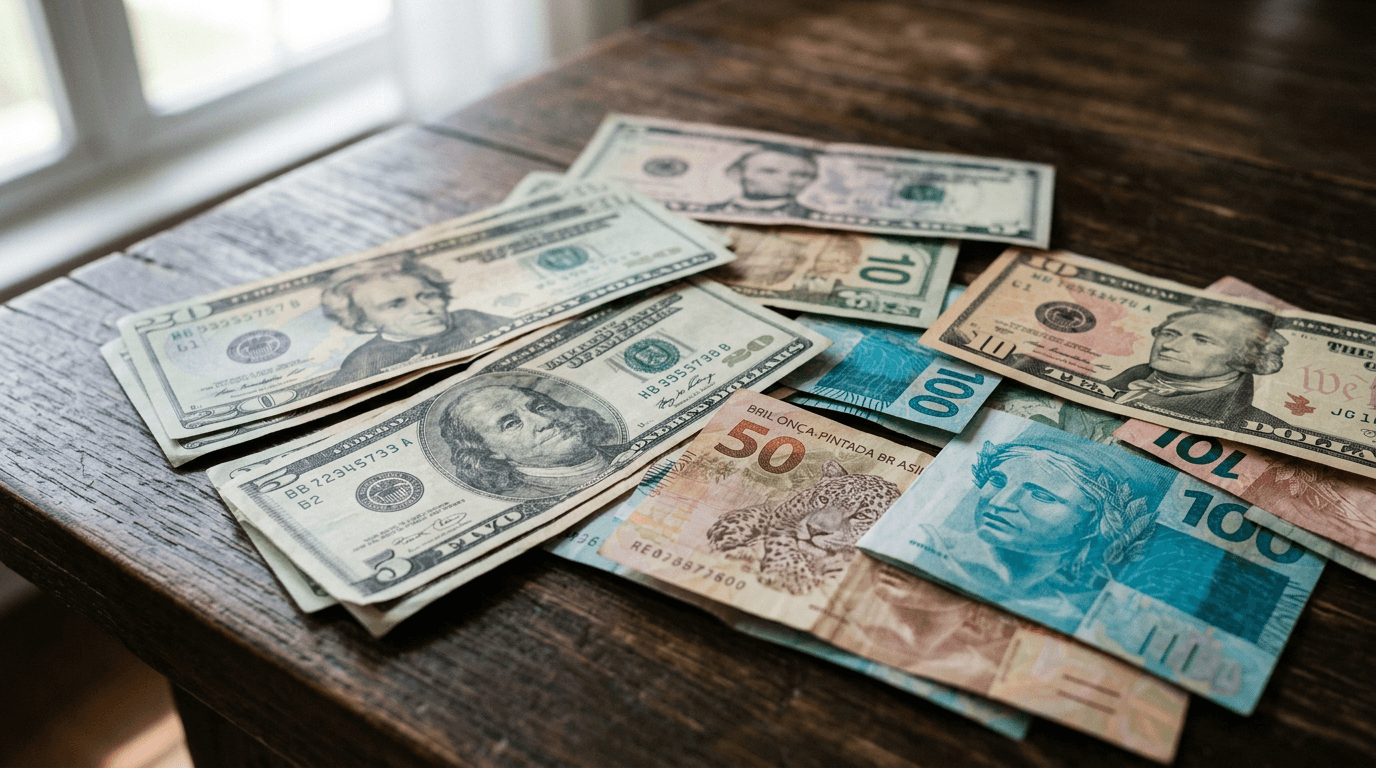
The Brazilian financial market experienced a dramatic shift following the first round of the presidential election on October 4, 2026. In a surprising turn of events, conservative Senator Flávio Bolsonaro—the eldest son of former President Jair Bolsonaro—secured the top spot with 47.03% of the valid votes. He edged out the incumbent, leftist President Luiz Inácio Lula da Silva, who garnered 45.16%. Because neither candidate achieved an absolute majority, the race is headed to a highly anticipated runoff on October 25.
This unexpected result triggered what traders are calling the "Flávio Trade," a wave of market optimism fueled by the prospect of a more business-friendly administration. The Brazilian Real strengthened significantly, dipping below R$ 4.97 against the U.S. dollar, marking its strongest level since May 2026, before experiencing some routine profit-taking on October 6. The rally was particularly pronounced among domestic-focused small caps, which are highly sensitive to shifting political risk, domestic interest rate expectations, and local economic policies.
For foreign observers, the political landscape in Brazil is shifting rapidly. Senator Flávio Bolsonaro, a 45-year-old lawyer representing Rio de Janeiro, has campaigned on a platform of market-oriented economics, administrative privatization, and conservative social values. His strong showing, alongside a powerful conservative wave that elected key allies to the national Congress, has forced a recalibration of political risk. Meanwhile, President Lula, the 80-year-old veteran leader of the Workers' Party (PT), is facing an uphill battle to regain momentum before the second-round vote. Both candidates have confirmed they will face off in their first direct, head-to-head debate of this second round, organized by Band and Estadão, scheduled for October 18.
While the immediate reaction has been overwhelmingly positive for local equities, market experts urge caution. Analysts at TAG Investimentos noted in their October monthly letter that while the post-election rally could easily persist for months, investors will eventually demand concrete fiscal adjustment plans from whoever wins the presidency. Brazil currently faces significant economic headwinds, including a gross public debt hovering at 82.9% of GDP and a high benchmark Selic interest rate of 13.75%. TAG warned that if a victorious Flávio Bolsonaro prioritizes political battles, such as clashes with the Supreme Court, over urgent fiscal reforms, the market's patience will quickly wear thin.
What it touches
The sudden political shift directly impacts domestic-focused Brazilian equities, which are highly sensitive to local interest rates and fiscal policy. A sustained "Flávio Trade" and expectations of fiscal discipline could pave the way for future interest rate cuts, benefiting highly leveraged companies, retailers, and homebuilders. Foreign investors tracking this domestic exposure can monitor these dynamics through the Brazil Small Cap Index (tracked locally via the SMAL11 ETF), as well as individual US-listed Brazilian players like digital bank Inter & Co. (INTR) and education provider Afya Limited (AFYA), which stand to gain from a more favorable domestic interest rate environment.