
Why Brazil's High Interest Rates Hold Key to US-Listed Fintechs
Brazil's central bank keeps borrowing costs elevated, creating a high-stakes environment for Nasdaq-listed fintechs pivoting to consumer and merchant credit.
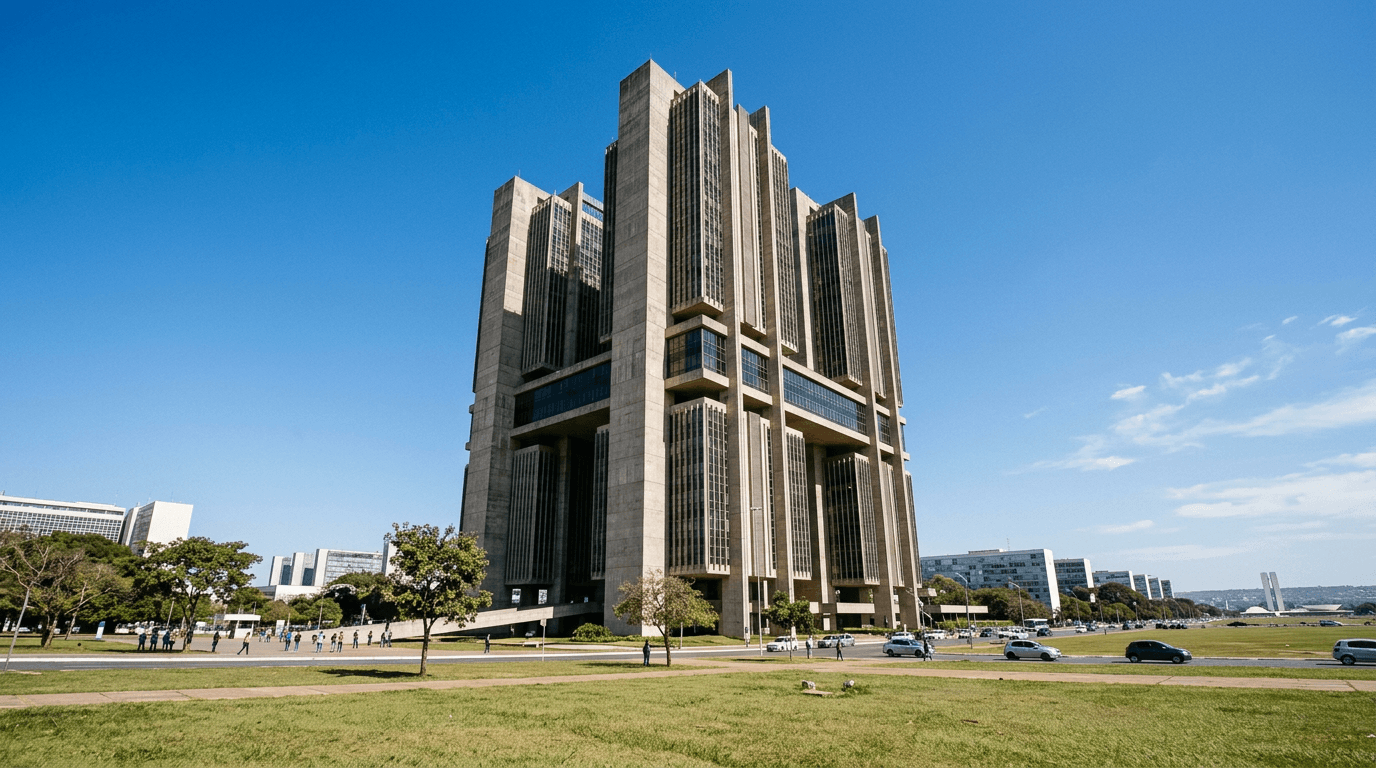
The Central Bank of Brazil’s Monetary Policy Committee, known as Copom, has kept its benchmark Selic interest rate at a towering 13.75%. While this is down from its recent peak of 15%, borrowing costs in Latin America's largest economy remain among the highest in the world. For ordinary Brazilians, these rates make personal loans and credit cards exceptionally expensive. However, this high-yield environment is also shaping the financial strategies of Brazil's major financial technology companies, many of which are listed on US exchanges.
To offset the pressure of high funding costs on their payment-processing margins, prominent Brazilian fintechs are pivoting aggressively into credit. StoneCo, a major payment processor, reported in August 2026 that its credit portfolio had more than doubled year-over-year to 3.75 billion reais (approximately $720 million). Similarly, digital banking platform Inter has expanded its loan book to 55.4 billion reais, leveraging payroll-linked loans to secure safer yields in a high-rate climate.
For foreign observers, understanding this dynamic requires looking past short-term political noise. While the tight presidential race between Luiz Inácio Lula da Silva and Flávio Bolsonaro has caused temporary market swings, the structural trajectory of the Selic rate remains the true driver of long-term corporate valuations. When interest rates are high, domestic capital in Brazil tends to stay locked in low-risk, high-yield government bonds.
A future easing of the Selic rate is expected to trigger a significant shift, prompting domestic investors to move capital back into equities and consumer credit. For digital banks, lower rates would reduce funding costs and stimulate credit demand among underbanked populations. However, until inflation fully converges toward the central bank's 3% target, policymakers are expected to proceed with caution, keeping the pressure on fintech balance sheets.
What it touches
This high-rate environment directly impacts US-listed Brazilian equities. Investors tracking Brazil stocks on NYSE and Nasdaq closely monitor the credit quality and margins of companies like StoneCo (NASDAQ: STNE), Inter (NASDAQ: INTR), and Nu Holdings (NYSE: NU). While lower benchmark rates would ease funding pressures and boost credit expansion for these digital platforms, prolonged double-digit rates keep default risks elevated and compress short-term margins.