
JPMorgan Reshuffles Brazil Bank Ratings as Agribusiness Risks Rise
JPMorgan Chase adjusted its ratings for Brazil's largest banks on October 6, 2026, downgrading state-run Banco do Brasil and upgrading private lender Bradesco.
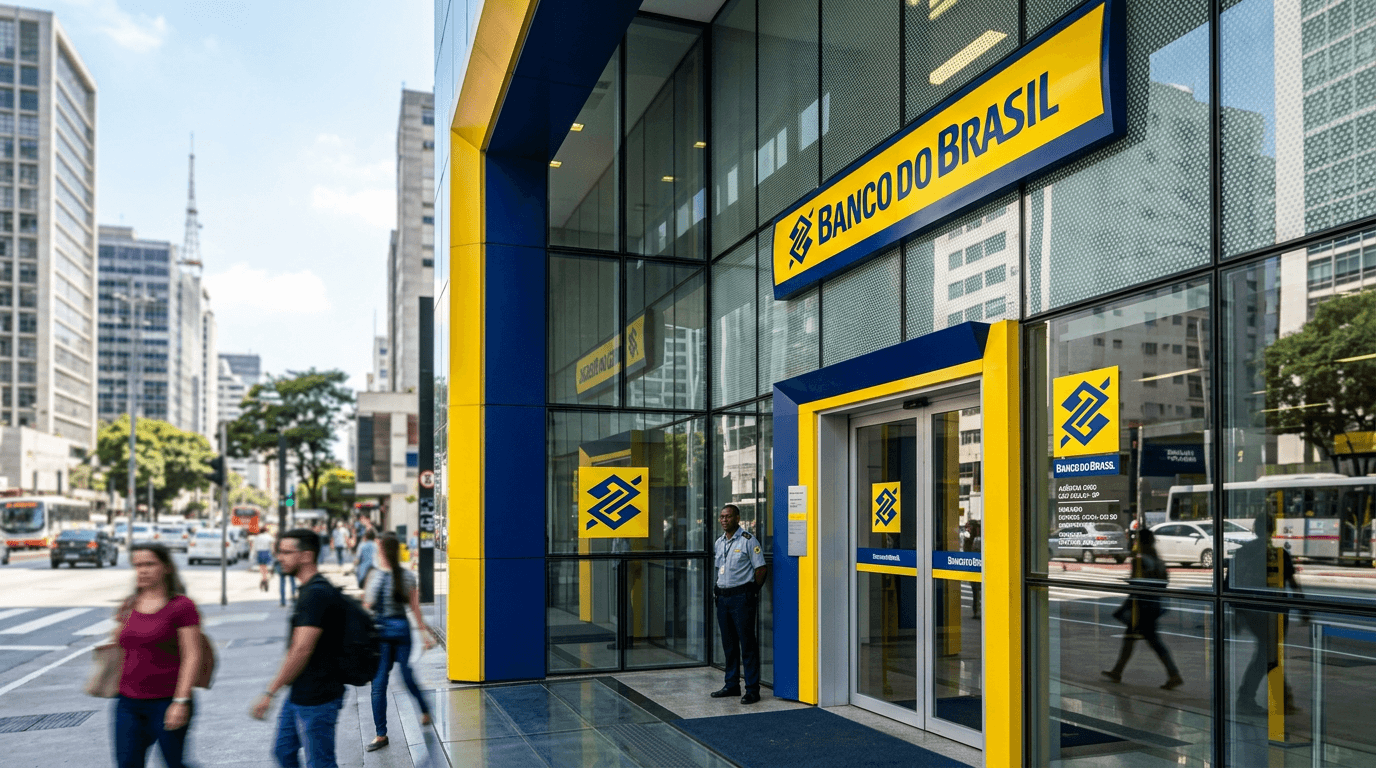
A massive post-election rally in Brazilian financial markets is facing its first major structural realignment. On October 6, 2026, Wall Street giant JPMorgan Chase reshuffled its investment ratings for Brazil's largest financial institutions. The move triggered a sharp divergence in the country’s banking sector, underscoring how shifting interest rate expectations and localized credit risks are reshaping the economic landscape following the country's recent elections.
The most significant shift came as JPMorgan downgraded state-controlled Banco do Brasil from neutral to underweight, which sent its shares tumbling over 6% in Tuesday trading. The downgrade brought a sudden halt to a spectacular post-election surge, during which Banco do Brasil shares had rallied 14% in a single session and soared roughly 50% since mid-August.
According to the analysis from InfoMoney, Banco do Brasil's heavy exposure to the country's massive agribusiness sector is becoming a double-edged sword. While the bank remains a cornerstone of agricultural financing, a recent and severe deterioration in farming credit quality is expected to weigh on its earnings, profitability, and dividend payouts. Furthermore, analysts noted that this agricultural focus means the state-owned lender will benefit less from potential cuts to Brazil's benchmark Selic rate than its private-sector peers.
Private Lenders Gain Ground
In contrast, JPMorgan upgraded private banking giant Bradesco to overweight. The adjustment was driven by a broader macroeconomic shift: Brazil's 10-year interest rate curve eased significantly, dropping from 14.4% down to 13%. This decline allowed analysts to cut their cost of equity assumptions by 1.5 percentage points for most covered companies, immediately boosting the fair-value estimates of private lenders.
Unlike its state-run competitor, Bradesco is in the middle of a major operational restructuring plan. With falling systemic risk costs and improving margins, the private lender is seen as better positioned to capture the upside of a more stable post-election economic environment.
The divergence highlights a classic dilemma in the Brazilian economy. While state-owned institutions like Banco do Brasil are frequently used by governments to support key national sectors like agriculture, they also carry the direct burden of sector-specific downturns. Private banks, meanwhile, retain the flexibility to pivot their credit portfolios more quickly as macroeconomic conditions shift.
What it touches
The rating adjustments directly impact major financial assets traded on the B3 exchange in São Paulo and international markets. Banco do Brasil (BBAS3) faces downward pressure as investors adjust to lower projected returns on equity. Conversely, private banking assets like Bradesco (BBDC4) and market-dominant Itaú Unibanco (ITUB4)—which JPMorgan maintained as its top pick among traditional lenders—stand to benefit as capital rotates toward institutions with lower credit risk and higher sensitivity to falling interest rates.
Related coverage
 Anthropic Lists BDRs on Brazil Exchange Beside $81B Nasdaq DebutOn November 19, 2026, Anthropic launched an $81 billion Nasdaq IPO while simultaneously debuting ANTH34 BDRs on Brazil's B3 exchange.
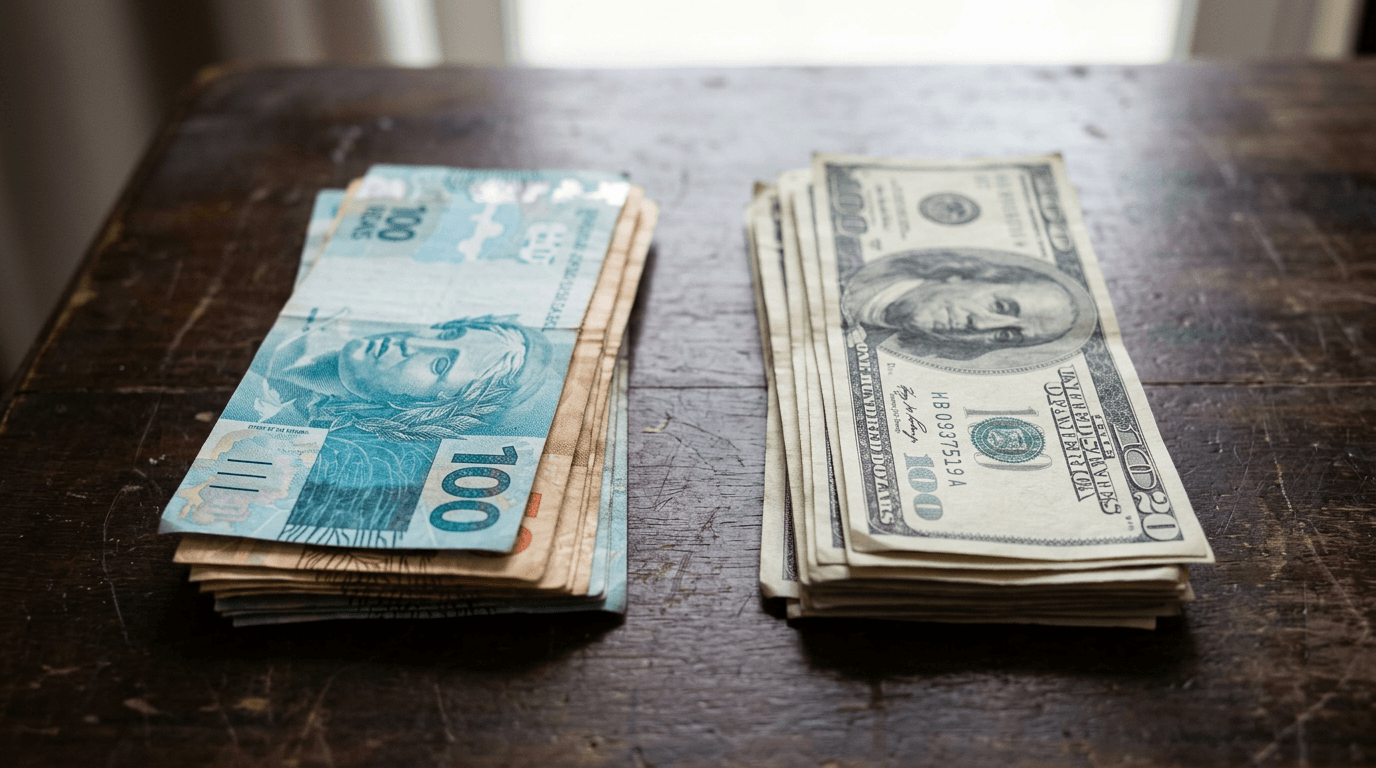 Central Bank Sells $1B in Spot Reserves as Real ReelsThe Central Bank of Brazil sold $1.00 billion in reserves on November 19, 2026, as the real fell to R$ 5.94 following fiscal remarks by President Lula.
 Bradesco CEO Projects 0.4% Brazil GDP, Vowing Credit PrudenceBradesco CEO Marcelo Noronha warns of a Brazil slowdown, projecting just 0.4% GDP growth in 2027 and pledging credit prudence to manage rising defaults.