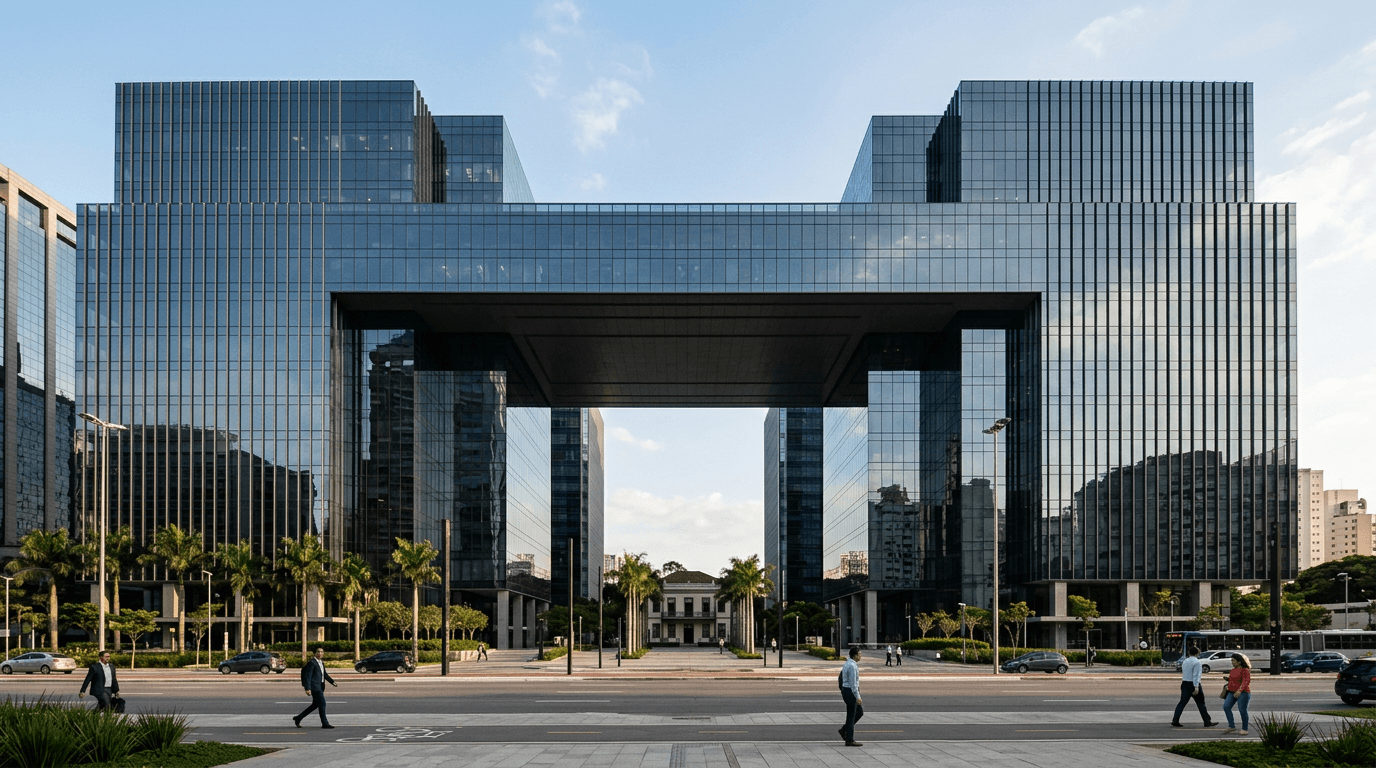
Telefonica Brasil, TIM Gain 180-Day Grace Period on Utility Poles
The Brazilian Senate approved a bill regulating utility pole sharing, granting telecom operators a 180-day grace period to regularize unauthorized cables.
Key takeaways
- The Brazilian Senate approved PL 3220/2019 on November 18, 2026, to regulate utility pole sharing, per the Senate portal
- Telecom operators receive a 180-day grace period to regularize unauthorized cables without penalties, per Correio do Povo on November 19, 2026
- Regulators Aneel and Anatel have 30 months to establish a permanent pricing methodology for pole rentals, per Correio do Povo on November 19, 2026
American retail investors holding shares of New York-listed telecommunications giants Telefonica Brasil S.A. and TIM S.A. face a restructured cost landscape after the Brazilian Senate approved a bill on November 18, 2026, giving telecom operators a 180-day penalty-free grace period to regularize unauthorized cables on utility poles, according to a report by Correio do Povo on November 19, 2026. The legislative approval, also published on the official Senate portal, represents a significant step toward organizing the country's shared infrastructure.
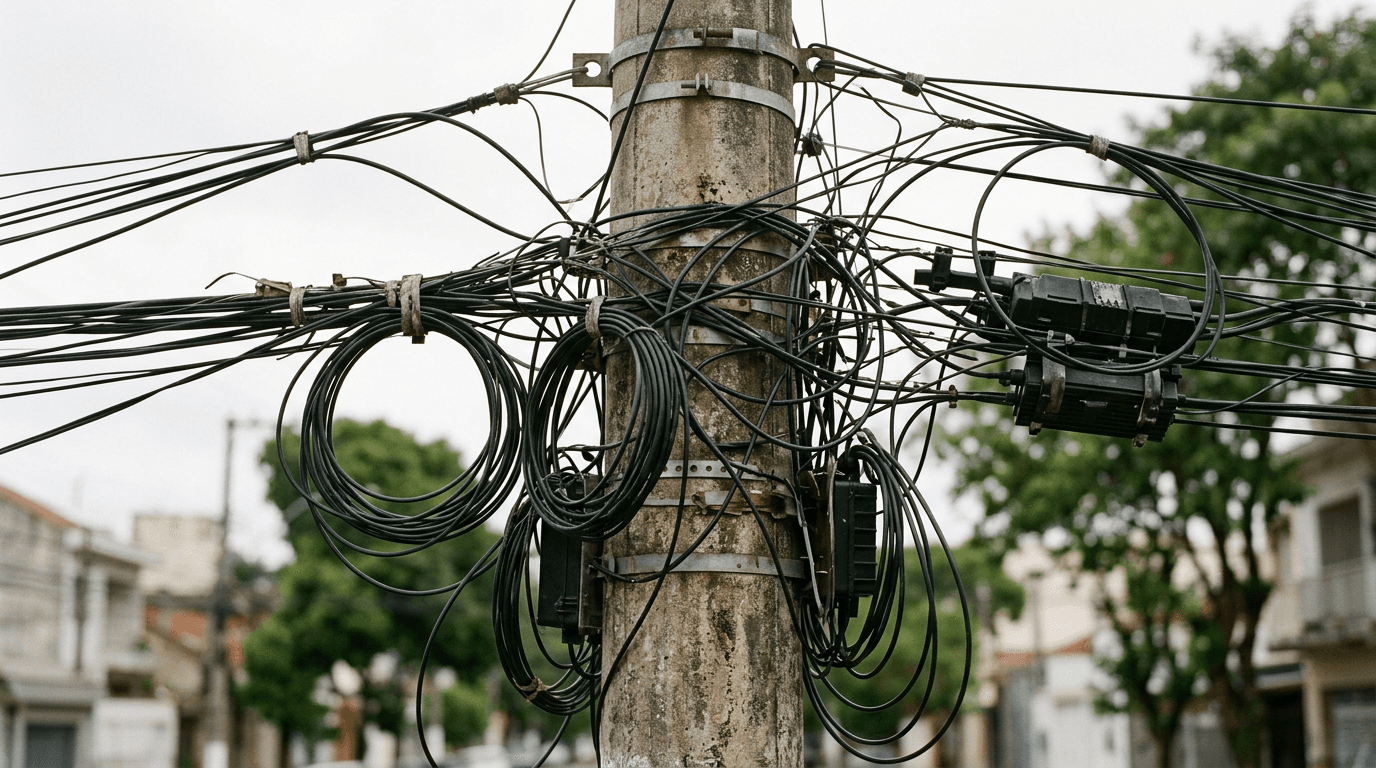
The legislative proposal, known as PL 3220/2019, regulates the shared use of utility poles between the country's electricity distributors and telecommunication operators. For years, the lack of standard rules sparked disputes between power utilities—which own the physical poles—and telecom providers who rent space to run their fiber optic cables. The debate over telefonica brasil utility poles has long been a key focal point of these infrastructure disputes, as operators struggled with inconsistent local rules. This regulatory vacuum left an estimated 60% to 70% of pole space occupied by clandestine, unauthorized wiring, according to estimates by the Brazilian Association of Electricity Distributors (Abradee).
Under the approved legislation, as reported by Correio do Povo on November 19, 2026, telecom operators receive a 180-day grace period to request regularization of unauthorized cables without facing penalties. Additionally, the legislation provides a 30-month window for the National Electric Energy Agency (Aneel) and the National Telecommunications Agency (Anatel) to jointly establish a permanent pricing methodology for pole rentals, according to the same November 19, 2026 report. Until that structural rate is finalized, the bill imposes a temporary price ceiling: rental costs will be capped at current reference rates, adjusted only by the country's IPCA inflation index through December 31, 2025, according to the text approved on November 18, 2026.
For major telecommunication companies, this bill reduces legal compliance overhead and defines long-term infrastructure rental expenses. By replacing bilateral negotiations with a clear price ceiling and providing an administrative path to clear up illegal wiring, the law helps stabilize the operational expenditures of telecom giants while providing power distributors with a clearer framework for managing their infrastructure.
The bill now proceeds to President Luiz Inácio Lula da Silva for sanction or veto, according to the official legislative records on the Senate portal. The legislation aims to resolve a long-standing regulatory bottleneck between the electricity and telecommunications sectors, establishing clear national rules for infrastructure sharing.
In your brokerage app
American retail investors can track this regulatory shift through Telefonica Brasil S.A., which trades as American Depositary Receipts (ADRs) listed in New York, and TIM S.A., also listed in New York. While these telecom utilities are traditionally held for their robust dividend profiles rather than rapid growth, the elimination of unpredictable compliance costs and the establishment of a 180-day operational grace period provide a more stable outlook for their local margins.