
OAS Flags 'International Political Activism' in Brazil's Election
An OAS election observation mission reported foreign leaders meddling in Brazil's vote, though the electoral court found no actual security breaches.
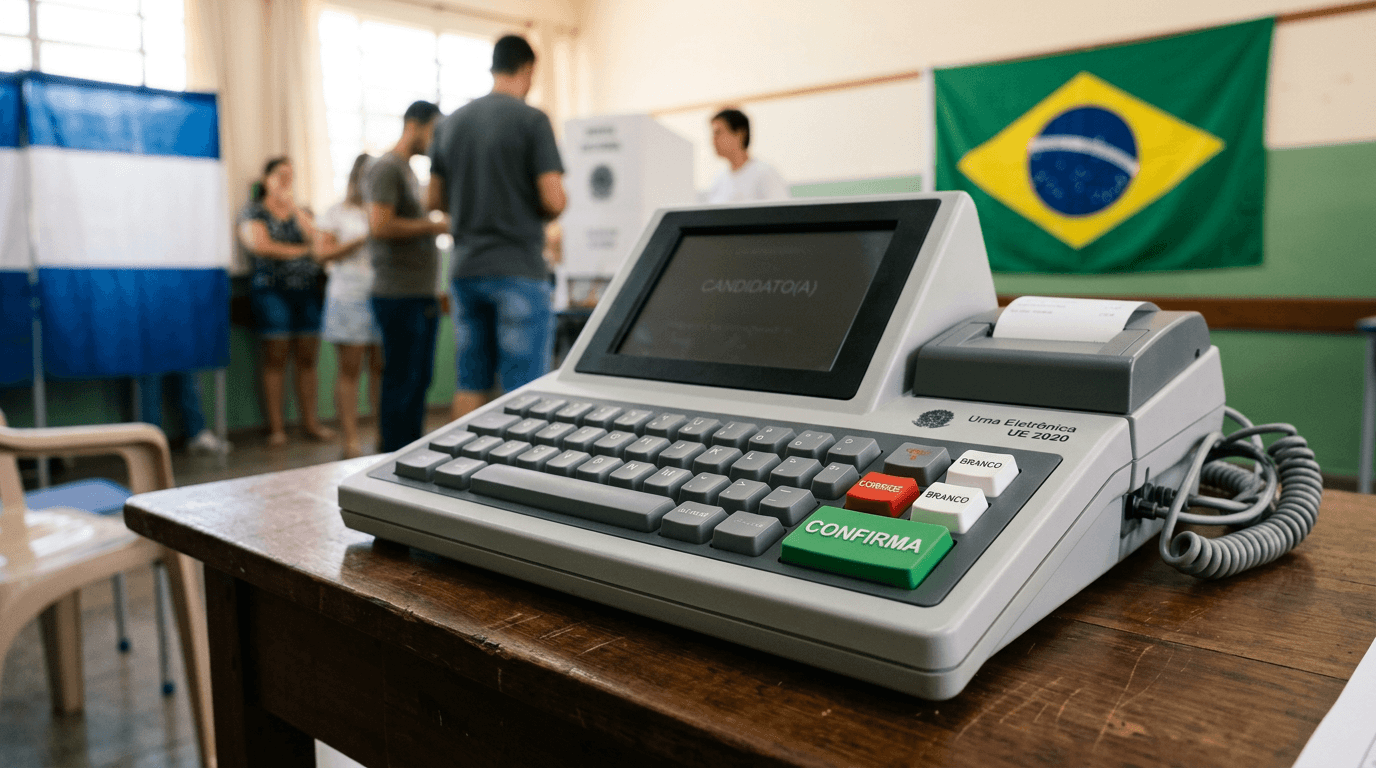
The Organization of American States (OAS) electoral observation mission has raised concerns over what it described as "international political activism" during Brazil’s general election on October 4. In a preliminary report released on October 6, the international body highlighted an increasing trend of foreign heads of state and prominent global political figures making public declarations, endorsements, and even insults targeting candidates during the campaign.
While the OAS did not explicitly name individual leaders in its official text, observers noted that the warning comes amid highly visible cross-border endorsements in Brazil's deeply polarized political landscape. The mission pointed out that such external commentary introduces "distortions" into the sovereign electoral process. Despite these concerns, the OAS praised the overall organization of the vote, concluding that the first round was carried out in a peaceful, orderly manner across the country.
In response to the report, the Superior Electoral Court (TSE)—the specialized judicial body that oversees and runs all Brazilian elections—moved quickly to reassure the public. TSE President Kassio Nunes Marques stated that the court’s security and monitoring systems detected no actual foreign interference, cyberattacks, or security breaches during the first round of voting. Justice Nunes Marques emphasized that the integrity of the electronic voting system remained fully intact.
The OAS report also drew attention to domestic judicial tensions, noting that some individual, fast-tracked decisions by ministers of the TSE and the Supreme Federal Court (STF) had created a degree of "legal uncertainty" during the campaign. The mission urged Brazilian authorities to prioritize maximum legal stability as the country prepares for the second-round runoffs.
This friction underscores the growing internationalization of Brazil's domestic races, where global ideological alliances increasingly mirror local political divides. As the election heads toward its final stage, both international watchdogs and local electoral authorities are keeping a close eye on how external narratives and judicial rulings shape the environment for voters.