

Court Keeps Bank Founder Jailed Over $9.3 Billion Brazil Bailout
Brazil’s Supreme Federal Court upheld the detention of liquidated Banco Master founder Daniel Vorcaro amid a record R$ 54.8 billion deposit insurance payout.

Key takeaways
- STF President Edson Fachin maintained the preventive detention of Daniel Vorcaro, founder of liquidated Banco Master, per Agência Brasil on November 20, 2026
- The Fundo Garantidor de Créditos has disbursed R$ 54.8 billion in deposit insurance payouts for Banco Master, per FGC figures on November 16, 2026
- Federal Police are investigating R$ 12.2 billion in fictitious credit portfolios sold by Master to Banco de Brasília, per Poder360 on November 19, 2026
U.S. retail investors holding the ishares brazil msci etf are facing heightened systemic risks in Brazil's mid-market financial sector after the country's Supreme Federal Court (STF) upheld the detention of Daniel Vorcaro, the founder and former controller of the liquidated Banco Master. On November 19, 2026, STF President Edson Fachin denied a release request and maintained the preventive detention of Vorcaro, who has been held at the Papuda prison complex in Brasília since March 4, 2026. According to Agência Brasil on November 20, 2026, Fachin ruled that the ex-banqueiro's detention remains "indispensable" to prevent interference in the ongoing investigation, given his extensive network of influence.
The judicial standoff underscores the scale of the collapse of Banco Master, which was placed into extrajudicial liquidation by the Central Bank of Brazil on November 18, 2025. According to an official balance sheet released by the privately funded deposit insurance entity, Fundo Garantidor de Créditos (FGC), on November 16, 2026, the FGC has already disbursed a record R$ 54.8 billion ($9.3 billion) to cover certificates of deposit (CDBs) and other eligible claims across the failed conglomerate. This massive payout represents the largest individual deposit insurance intervention in Brazil's history, dwarfing all previous banking rescues.
Systemic credit risks in Brazil's mid-market sector
The underlying fraud investigation highlights deep vulnerabilities in how Brazil's mid-market banks gather yield-seeking retail capital and manage asset risk. Federal Police are investigating a massive scheme in which Banco Master allegedly sold R$ 12.2 billion ($2.1 billion) in fictitious, unbacked credit portfolios to the state-owned Banco de Brasília (BRB) between December 2024 and May 2025. According to a Federal Police report detailed by Poder360 on November 19, 2026, the transactions were allegedly simulated using false bank credit certificates (CCBs) to generate artificial liquidity for Master during its unfolding solvency crisis.
This cleanup process leaves the broader Brazilian banking and credit system heavily exposed to the aftermath of the bailout. The Central Bank of Brazil has already tightened regulations as of May 2026, forcing high-growth digital and mid-market institutions that rely heavily on FGC-backed deposits to hold more liquid federal securities. While the retail depositors of Banco Master have been largely reimbursed under the FGC's R$ 250,000 ($42,400) per-person insurance cap as of November 2026, the long-term structural damage to credit markets and public pension systems that held the bank's unhedged debentures remains a pressing concern for international observers.
In your brokerage app
For retail investors tracking the ishares brazil msci etf (EWZ) in their brokerage accounts, these banking system tremors are a warning sign of structural risk. While the exchange-traded fund represents a key vehicle for tracking the ishares brazil msci index, this unfolding Brazil banking crisis exposes holders to broader volatility. Although the ETF's holdings are concentrated in large-cap commodities giants like Petrobras and Vale, any widespread loss of confidence in the domestic credit market could weaken the Brazilian real. The USDBRL currency pair traded at 5.8889 on November 21, 2026, according to Central Bank data, reflecting ongoing caution among foreign capital allocators.
Related coverage
 New workweek rules to lift costs for MercadoLibre and StoneCoPresident Lula signed a decree regulating Brazil's transition to a 5x2 workweek, cutting weekly hours and raising overtime costs for major companies.
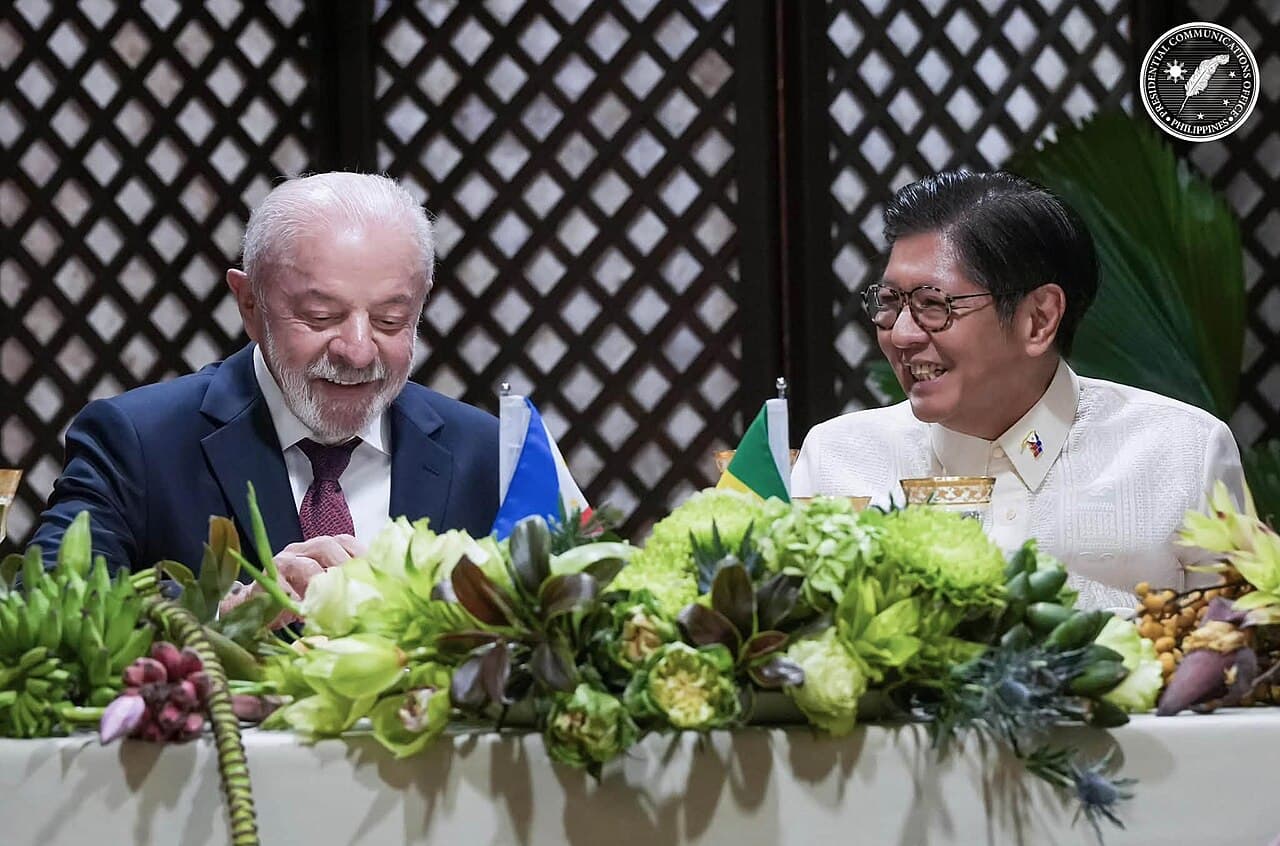 Senate passes Lula's fiscal package, easing emerging market ETF risksBrazil's Senate passed a R$ 56.1 billion fiscal tightening bill, removing a major overhang for foreign investors holding Latin American equities.
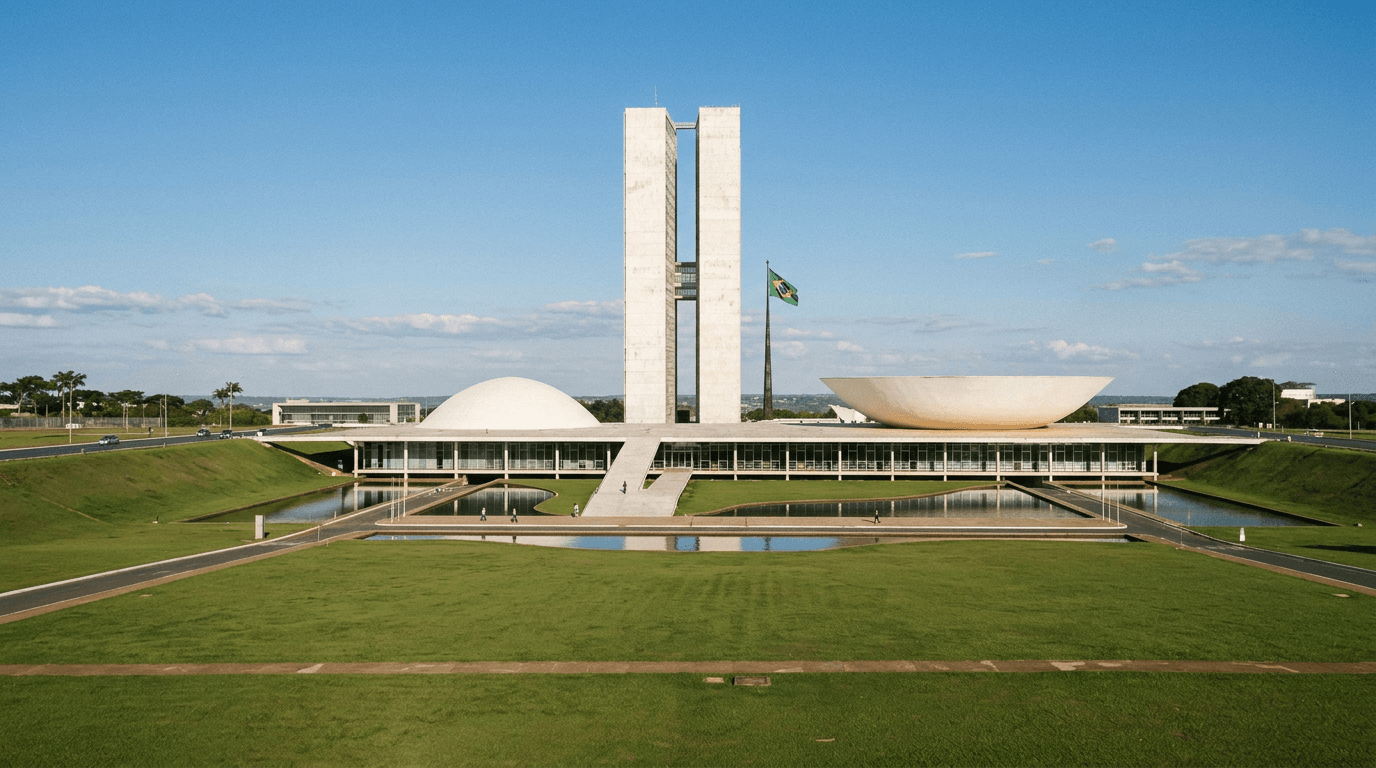 EWZ and Debt Outlook Stabilize on Senate Passage of Fiscal PackageUS listed assets and emerging market debt outlooks stabilize as the Brazilian Senate passes the PLP 299/2026 fiscal package to curb spending growth.