
Lula and Flávio Bolsonaro Tied in Critical Bellwether State of Minas Gerais, Quaest Poll Finds
A new Quaest poll shows President Lula and Senator Flávio Bolsonaro tied at 40% in a second-round simulation in Minas Gerais, signaling prolonged electoral uncertainty.
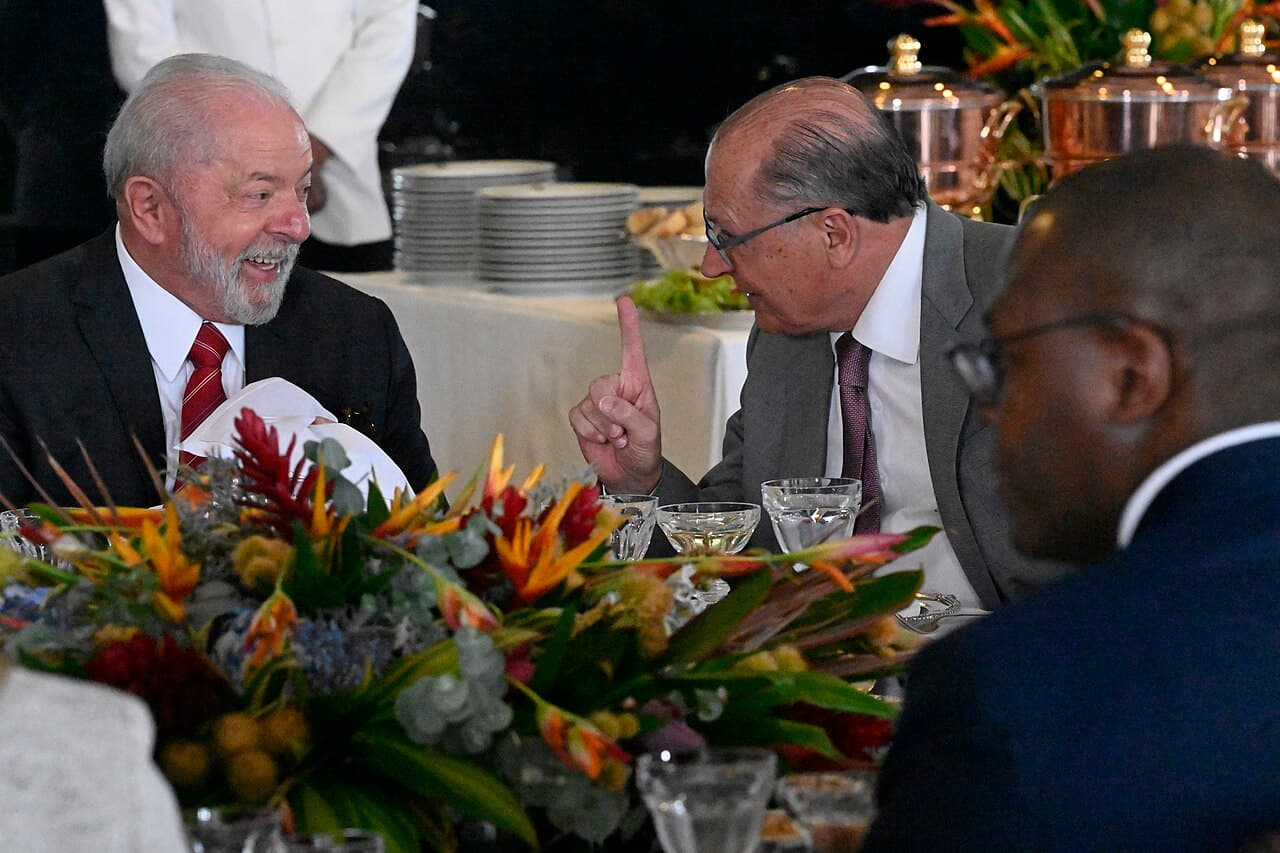
The race for the Brazilian presidency is a statistical tie in the nation’s most reliable bellwether state, according to a new poll released by Quaest on Wednesday. President Luiz Inácio Lula da Silva of the leftist Workers’ Party (PT) and right-wing Senator Flávio Bolsonaro of the Liberal Party (PL) are deadlocked at 40% each in a simulated second-round matchup among voters in Minas Gerais.
The poll, which interviewed 1,506 voters between September 19 and 22, has a three-percentage-point margin of error, confirming the candidates are in a technical tie less than two weeks before the election’s first round. This single result in Minas Gerais (MG) signals a high degree of national electoral uncertainty that is expected to carry through the first vote and into a likely second-round runoff.
Minas Gerais is the second-most populous state in Brazil and holds unique significance in the nation’s political landscape, often referred to as a "mini-Brazil" because its demographics closely mirror the national average. Since the 1950 election, no presidential candidate has won the national vote without also winning Minas Gerais, making it the country's ultimate political predictor. A prolonged, deep tie in such a decisive region underscores the continued, intense polarization defining the 2026 election.
The challenger, Senator Flávio Bolsonaro, is the son of former President Jair Bolsonaro, who was declared ineligible to run in this cycle. Senator Bolsonaro has assumed the mantle as the standard-bearer for the far-right movement, carrying his father’s political base into the contest against the incumbent president. While Flávio Bolsonaro held his support at 40% from the previous Quaest round, Lula saw a three-point increase to meet him in the numerical tie, indicating a tightening race.
Going forward, the tight numbers guarantee that both campaigns will dedicate disproportionate time, resources, and attention to Minas Gerais’s 16.5 million registered voters. For the international community, the statistical tie in the bellwether state means the certainty of a quick, decisive result remains low, which is likely to delay any major policy shifts until a clear winner emerges in a potential second round.
What it touches
The persistent electoral uncertainty highlighted by the tie in the critical bellwether state contributes to broader political risk in Brazil. Markets often react to a lack of clarity, meaning the tight race in Minas Gerais could contribute to volatility in Brazilian traded assets, including the B3 stock exchange’s main index (Ibovespa) and the exchange rate between the U.S. Dollar and the Brazilian Real (USD/BRL).
Related coverage
Politics
Brazil Judicial Oversight Body Cancels R$4.7 Billion in Government Debt Tied to Master Group
Published
Politics
Lula Opens UN Assembly with Call for Urgent Security Council Reform, Citing Low Credibility
Published
Politics
Brazil’s Illegal Gold Rush Fuels Amazon Crime and Widespread Mercury Contamination
Published