Online betting platforms face total freeze as Brazil legal battle escalates
Brazil's Attorney General has petitioned the Supreme Court to halt all lower-court lawsuits challenging the country's sudden online gambling ban.
Global gaming operators and sports sponsors face a prolonged freeze in Latin America's largest economy as the legal battle over Brazil's online gambling ban intensifies. The sudden shutdown of the country's multi-billion-dollar virtual betting market has triggered a wave of conflicting judicial rulings, threatening to lock out foreign-backed platforms that recently paid millions for operating licenses.
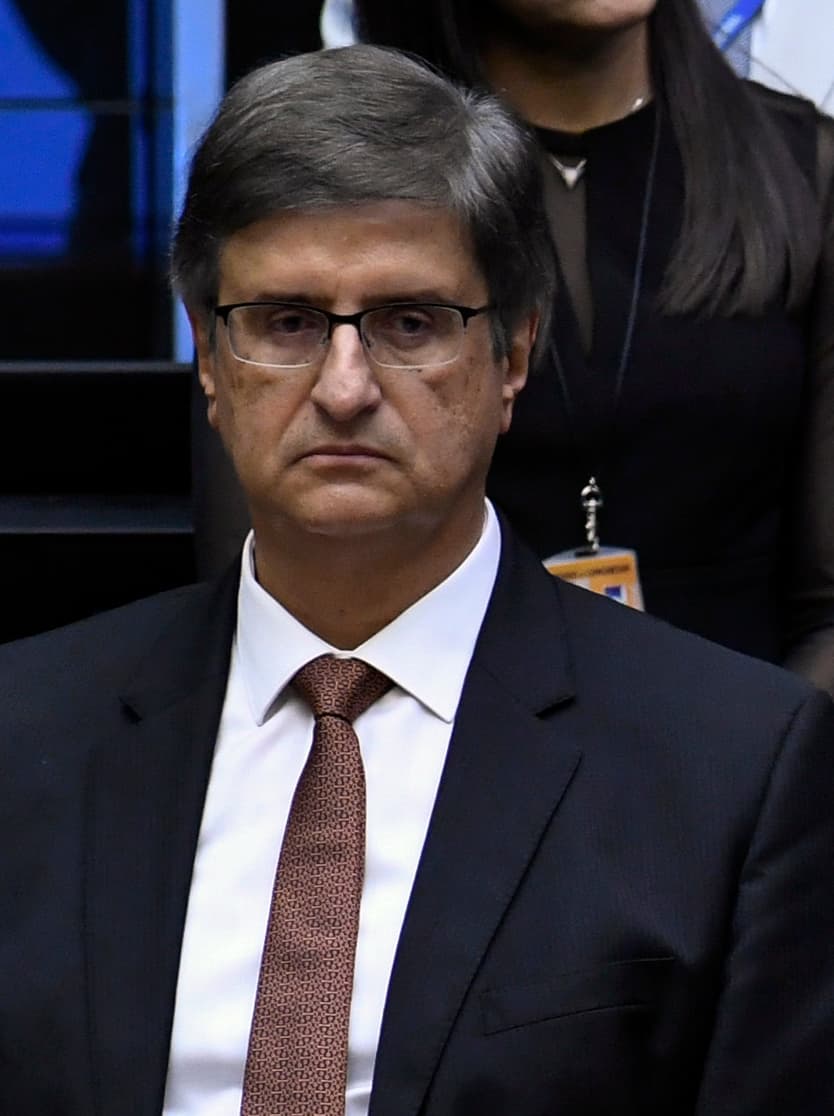
On November 6, 2026, Brazil's Attorney General, Paulo Gonet, petitioned the Supreme Federal Court (STF) to immediately suspend all nationwide lawsuits challenging the federal ban on online betting platforms, locally known as "bets". Gonet argued that a "proliferation of judicial processes" in lower courts has created severe legal insecurity and an asymmetric application of the law, as some judges have granted temporary injunctions allowing select platforms to resume operations.
The legal chaos stems from Presidential Provisional Measure (MP) 1.394/2026, signed by President Luiz Inácio Lula da Silva on September 25, 2026. The executive decree abruptly outlawed online sports betting and virtual casinos, forcing unlicensed sites to close by October 25, 2026. The federal government justified the ban by citing public health concerns over gambling addiction and the severe financial impact of betting on household consumption.
However, the abrupt policy U-turn shocked international operators. Many had spent up to 30 million reais (approximately $5.45 million) per license under a previous regulatory framework. In response, industry groups like the National Gaming and Lottery Association (ANJL) filed constitutional challenges, arguing the ban violates free competition and acquired rights. If STF Justice Luiz Fux grants the Attorney General's request, all lower-court injunctions will be frozen until the Supreme Court issues a final, definitive ruling on the ban's constitutionality.