Brazil Betting Ban Lawsuits Face Nationwide Freeze Demand by Prosecutor
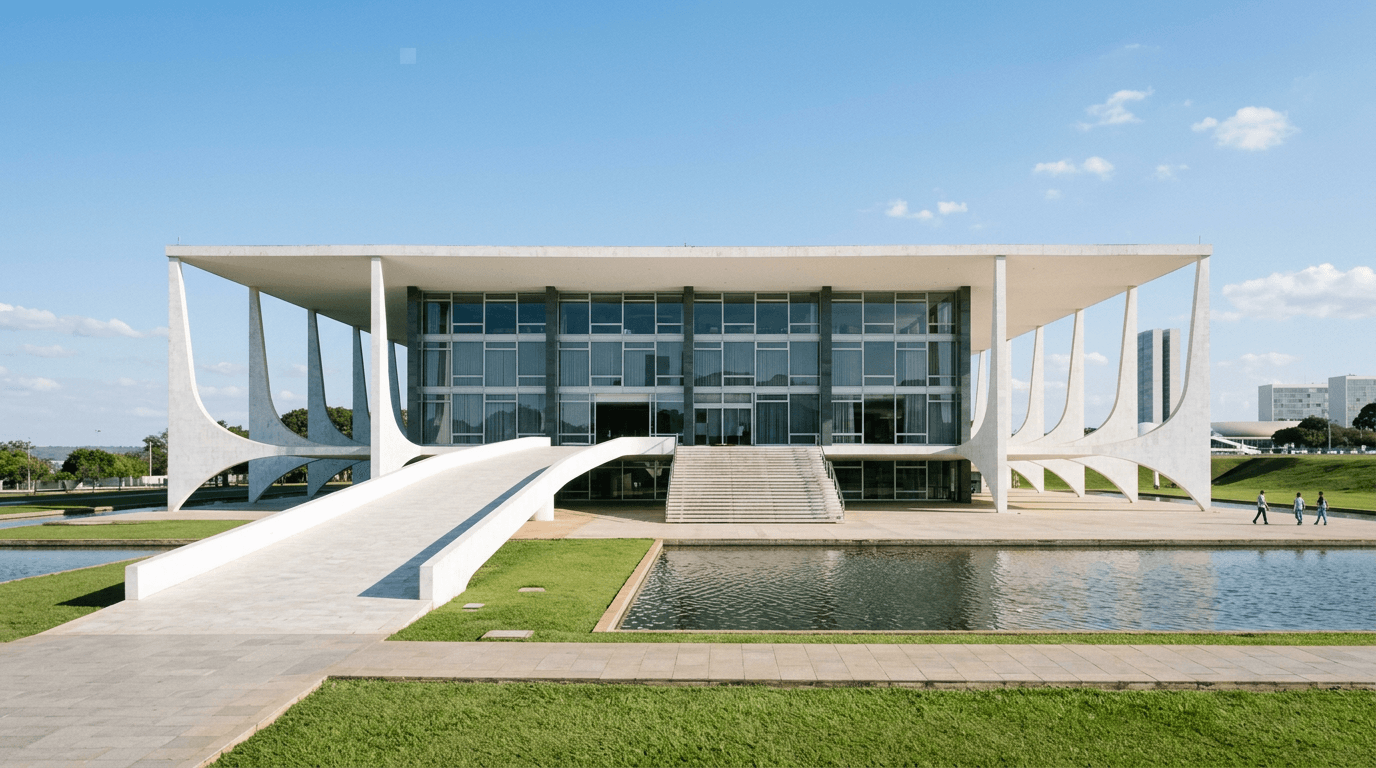
Brazil's Prosecutor General Paulo Gonet has asked the Supreme Court to freeze all lower-court lawsuits over the sudden federal ban on online betting platforms.
Global gaming operators and payment processors trying to navigate the sudden shutdown of one of the world's fastest-growing digital gambling markets face a new layer of regulatory gridlock. Conflicting court rulings over a federal ban on online betting platforms have thrown the sector into legal limbo, leaving corporate investments and local operating licenses suspended mid-air.
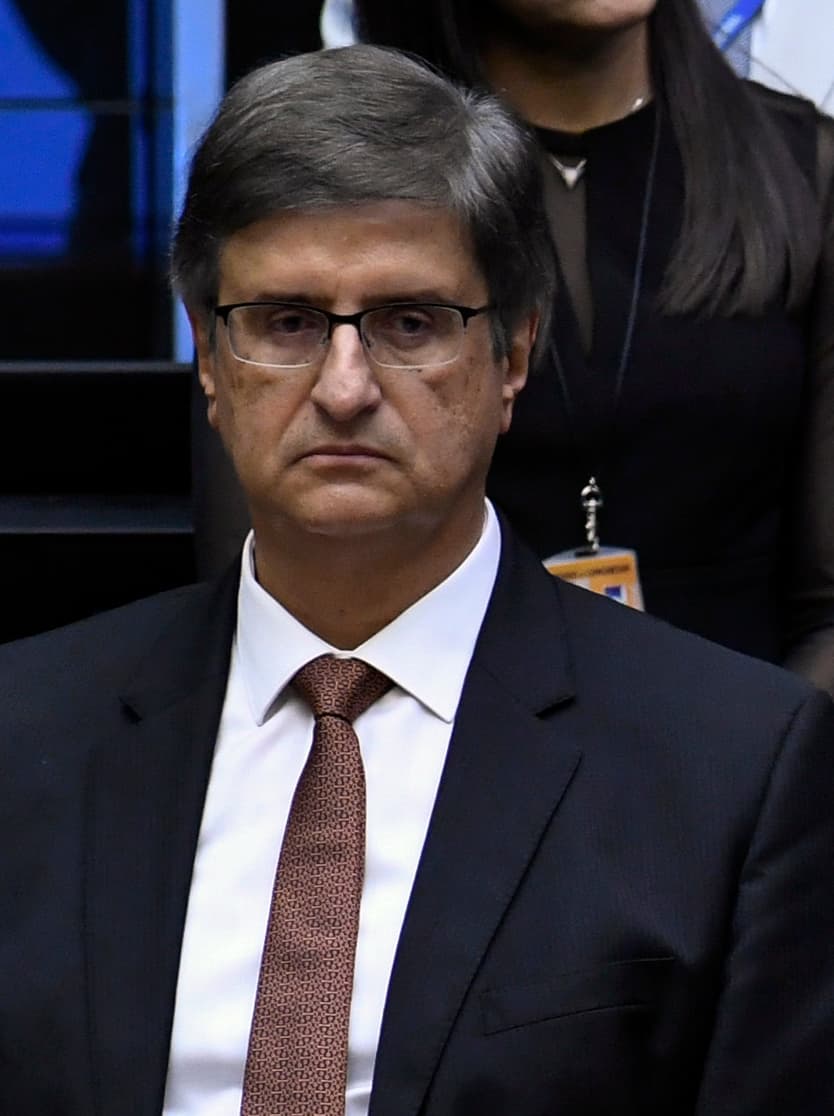
On November 6, 2026, Brazil's Prosecutor General Paulo Gonet filed a formal request with the Supreme Federal Court (STF) to freeze all lower-court lawsuits nationwide that challenge the government’s ban on online betting platforms, locally known as "bets". Gonet argued that a rapid "proliferation of judicial processes" has triggered severe legal insecurity and an asymmetric application of federal law across different states.
The legal scramble began after the federal government enacted Provisional Measure (MP) 1.394/2026 on September 25, 2026, which outlawed the operation, advertising, and intermediation of fixed-odds online sports betting and virtual casinos. The sudden ban forced the immediate shutdown of hundreds of digital platforms, many of which had recently paid R$ 30 million (approximately $5.45 million) each to the federal government for five-year operating licenses.
Conflicting Rulings Trigger Regulatory Chaos
The Prosecutor General's intervention was directly prompted by a series of contradictory regional court rulings. On November 5, 2026, a federal judge in São Paulo granted a temporary injunction allowing three major betting brands operated by CDA Gaming—Betsul, Casa de Apostas, and Jogo Online—to resume their nationwide operations. The judge ruled that shutting down the platforms without refunding their R$ 30 million licensing fees amounted to unconstitutional confiscation.
However, that decision was overturned just one day later, on November 6, 2026, by the president of the regional federal court, who reinstated the ban to preserve administrative order. Gonet cited this rapid back-and-forth as proof that local courts are creating an unmanageable regulatory environment while the Supreme Court deliberates on the broader constitutionality of the ban.
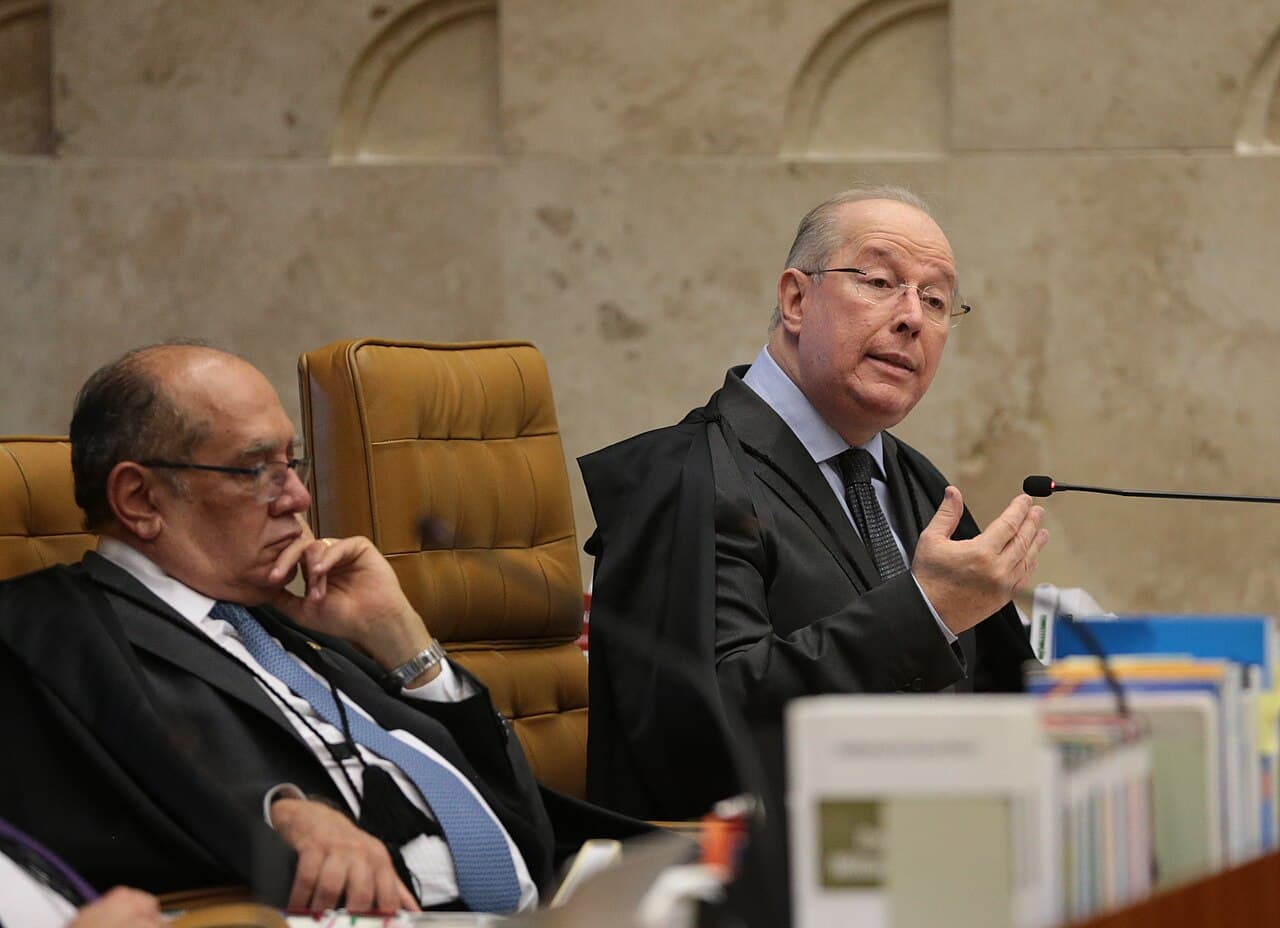
The request to freeze the lawsuits has been directed to Supreme Court Justice Luiz Fux, who is the rapporteur for multiple constitutional challenges against the ban. Fux, who hosted a public hearing on the economic and public health impacts of online gaming on November 3, 2026, has previously expressed strong personal support for a permanent ban on the platforms, citing rising household debt and gambling addiction.
In your brokerage app
For international retail investors, the ongoing regulatory battle directly impacts the consumer discretionary sector and local financial technology infrastructure. Payment processors and digital banks that facilitate instant transactions in South America's largest economy are highly exposed to the sudden loss of high-volume betting transactions. Investors holding StoneCo Ltd., listed in New York, or its digital payments competitor PagSeguro Digital Ltd. (operating as PagBank), also listed in New York, should monitor how the Supreme Court's upcoming final ruling on the betting ban reshapes transactional volumes in the Brazilian fintech space.