

CSN ADR Eyes Logistic Reliefs as Audit Court Clears Railway
Brazil's federal audit court approved the resumption of public funding and construction on the 544-kilometer Pernambuco railway section returned by CSN in 2022.
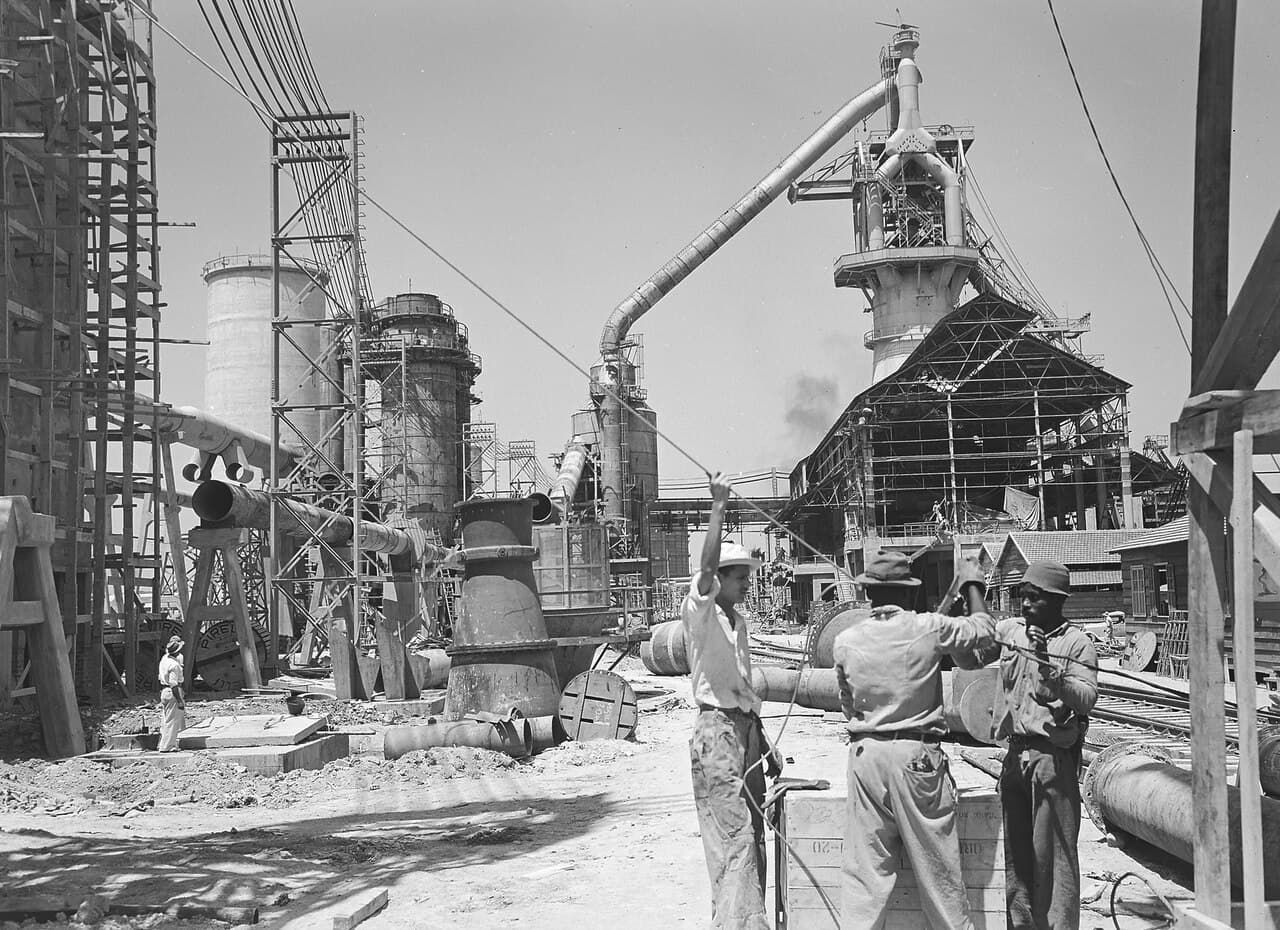
Key takeaways
- Brazil's federal audit court approved the restart of construction on the 544-kilometer Salgueiro-to-Suape railway on November 18, 2026, per court records
- CSN paid a R$ 1.8 billion indemnity to return the Pernambuco segment to the state in December 2022, per regulatory filings
- The federal government will finance and complete the railway under the PAC public works program before a future concession auction
- The court allowed physical works to proceed while socioeconomic studies are updated in parallel, reversing a prior block
American retail investors holding shares of New York-listed industrial giant Companhia Siderúrgica Nacional are watching a major domestic political bottleneck clear in Brazil. On November 18, 2026, Brazil’s Federal Audit Court (TCU) authorized the resumption of physical construction and federal funding for a critical 544-kilometer northeast railway segment, according to a decision published by CNN Brasil. The decision allows the federal government to take over and complete the long-delayed Salgueiro-to-Suape Port section of the Transnordestina railway under its public works program.
This specific railway section has long been a complex logistical and financial headache for the companhia brazil conglomerate (Companhia Siderúrgica Nacional). In December 2022, CSN’s logistics subsidiary, Transnordestina Logística S.A. (TLSA), signed an agreement with federal authorities to return this Pernambuco route to the state, paying a R$ 1.8 billion indemnity to exit the commitment, according to a settlement finalized in regulatory filings and reports on the federal government portal. By handing the 544-kilometer segment back to the government, CSN was able to focus its capital and engineering resources entirely on completing its own Piauí-to-Ceará route, which connects the agricultural interior of northeast Brazil to the deepwater Port of Pecém.
For global investors, understanding the role of the TCU is essential to decoding Brazilian infrastructure. The TCU acts as the federal government's independent audit watchdog, with the power to freeze public contracts if it suspects regulatory non-compliance. In May 2026, the court blocked physical work on this Pernambuco section, according to court records cited by CNN Brasil. In the November 18, 2026 ruling, TCU rapporteur Benjamin Zymler successfully argued that holding up construction on a project that is already 35% complete would cause more financial damage than allowing work to continue while the studies are finalized in parallel.
The mechanism of the ruling provides structural relief for the wider region and indirectly validates CSN's streamlined logistics network. Under the approved plan, the federal government will use public funds to finish the Salgueiro-Suape route and eventually auction it off as a private concession. Because the remaining Ceará line owned by CSN's subsidiary connects with this public section at the inland hub of Salgueiro, the completion of both segments will create a comprehensive, interconnected logistical corridor in Northeast Brazil. This network will lower shipping costs for dry bulk and industrial goods heading to export ports, without requiring further capital outlays from CSN itself.
Looking ahead, the Brazilian government's logistics manager, Infra S.A., stated that its updated socioeconomic viability studies are on track to be finalized by the end of December 2026, according to statements compiled by CNN Brasil, with physical work on several lots scheduled to ramp up shortly after. However, a dissenting faction within the TCU, led by auditor Jhonatan de Jesus on November 18, 2026, warned that starting physical construction before these studies are verified could still risk committing public capital to an economically unviable route.
In your brokerage app
American retail investors can gain exposure to Brazilian logistics, mining, and infrastructure through New York-listed ADRs. Companhia Siderúrgica Nacional (NYSE: SID) operates as a major steelmaker and iron ore exporter, while also controlling key logistics segments in Brazil. Broad-market exposure to Brazilian large-cap companies is also available through the iShares MSCI Brazil ETF (NYSE Arca: EWZ).
Related coverage
 Retailers Restructure as Brazil Formally Bans Six-Day WorkweekBrazil's ban on the 6x1 workweek forces US-traded retailers to redesign shifts and invest in automation as formal hourly labor costs are projected to rise.
 Senate Fiscal Vote Shields R$56 Billion Deficit Adjustment PlanBrazil's Senate rejected amendments to PLP 299/2026 on November 18, 2026, keeping a R$56 billion fiscal adjustment plan intact as the bill heads to the Chamber.
 Proposed Dividend Tax of Up to 25% Threatens Brazilian ADRsBrazil's ruling-party lawmakers have proposed taxing corporate dividends up to 25% to offset government spending cuts, threatening high-yield stock payouts.