
Brazil’s Illegal Gold Rush Fuels Amazon Crime and Widespread Mercury Contamination
Illegal mining is devastating Brazil's Indigenous lands, driving a 495% increase in area invaded between 2010 and 2020 and poisoning Indigenous communities with mercury.
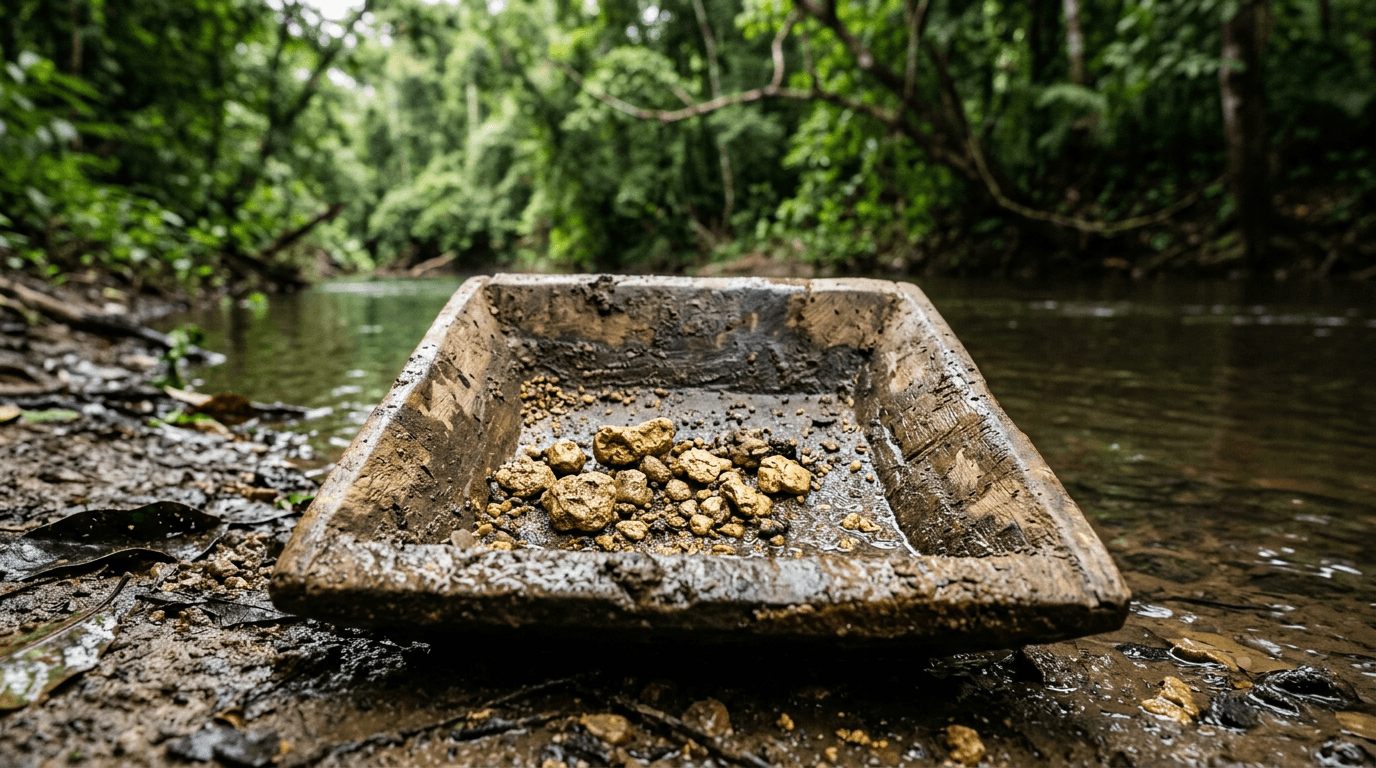
An intensifying surge of illegal gold mining in the Brazilian Amazon is driving widespread deforestation, funding organized crime networks, and leaving Indigenous communities like the Yanomami and Munduruku with dangerously high levels of mercury in their bodies and food supply. The activity, often referred to as garimpo, has become a major political and environmental crisis, undermining the country's commitments on climate and human rights while drawing in criminal syndicates that exploit the region's remoteness.
The expansion has been staggering: the area occupied by illegal mining within Indigenous Lands in the Amazon grew by 495% between 2010 and 2020, according to data from the research collective MapBiomas. This devastation is concentrated in major territories, including the Kayapó and Munduruku in Pará state and the Yanomami territory which straddles Amazonas and Roraima states. The illegal operations are sustained by sophisticated criminal financing, which provides heavy equipment and logistics for smuggling, often tied to drug trafficking and money laundering.
The central mechanism of this ecological and human disaster is the use of mercury to separate gold from ore, a practice banned in legitimate operations. Miners release the toxic heavy metal into Amazonian rivers, where it enters the food chain. Recent studies from Brazil’s leading public health institute, Fiocruz, found that 84% of Yanomami people tested in a remote region had levels of mercury contamination above the safe exposure threshold. Furthermore, 21.3% of fish sold in public markets across the Amazon exceeded the World Health Organization’s safety limit for mercury. The contamination is a persistent threat to the health of traditional populations, causing long-term neurological and developmental damage.
The government of President Luiz Inácio Lula da Silva has intensified crackdowns since 2023, particularly in the Yanomami territory, leading to a visible reduction in mining in some areas, though the activity is often shifting to new, vulnerable locations. In a significant legal move, the Supreme Federal Court recently ruled to close a loophole that allowed buyers to accept gold without proof of origin, demanding stricter oversight and traceability. The Federal Police have also established a "gold lab" to use forensic science, or "gold fingerprinting," to trace the origin of seized metal and build cases against those who launder illegal gold into the legal market.
What it touches The pervasive failure of regulatory governance and enforcement in the illegal Amazon gold supply chain represents a significant Environmental, Social, and Governance (ESG) risk for Brazil. The inability to guarantee the origin of gold threatens to compromise the reputation of the country's legitimate mining sector and invites international scrutiny and potential sanctions on Brazilian products.
Related coverage
Politics
Lula and Flávio Bolsonaro Tied in Critical Bellwether State of Minas Gerais, Quaest Poll Finds
Published
Politics
Brazil Judicial Oversight Body Cancels R$4.7 Billion in Government Debt Tied to Master Group
Published
Politics
Lula Opens UN Assembly with Call for Urgent Security Council Reform, Citing Low Credibility
Published