
Brazil Senate Targets 6x1 Workweek Reform as Runoff Battleground
Senate President Davi Alcolumbre schedules debate on PEC 221/2019 to end the six-day workweek, turning labor reform into a major campaign tool.
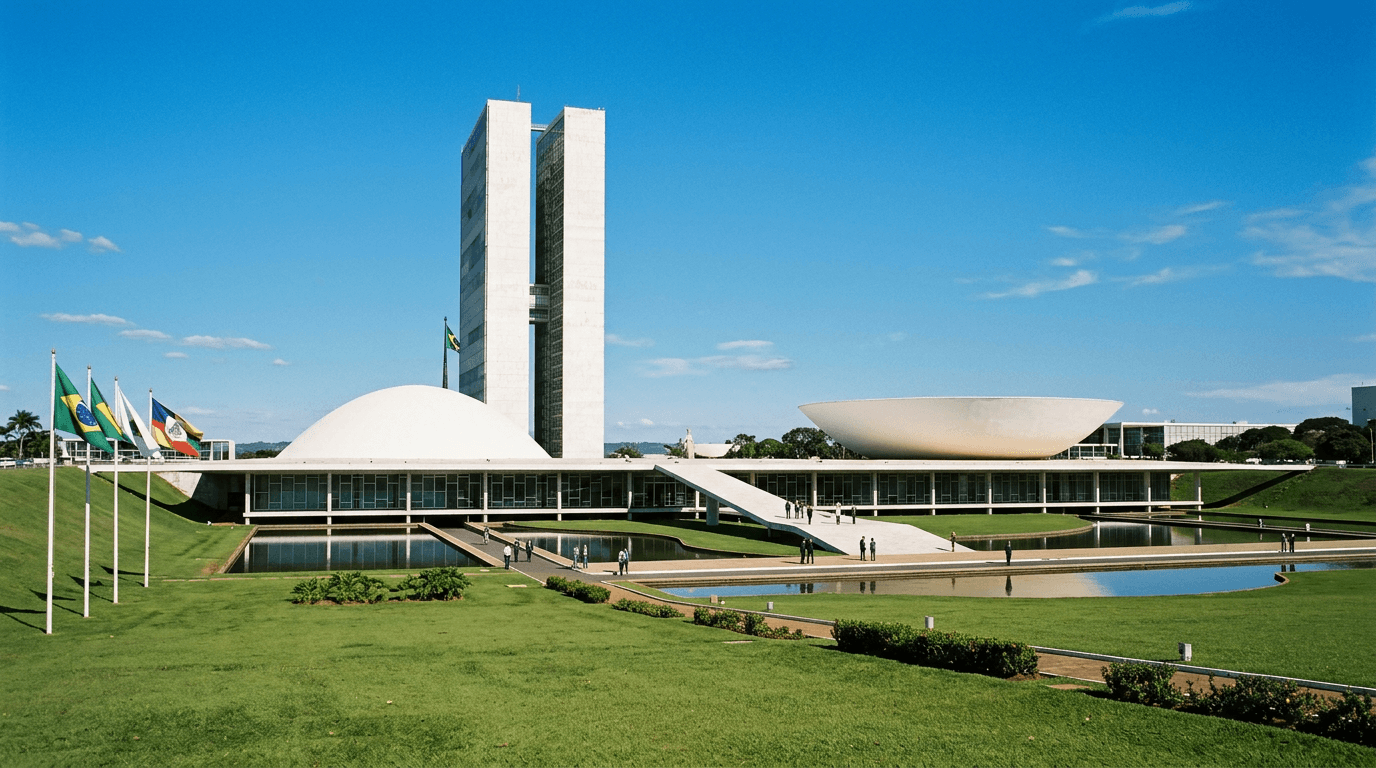
The Brazilian Senate has officially begun floor debates on a constitutional amendment that would dismantle the country's traditional six-day workweek, setting up a high-stakes legislative battle just as municipal runoff elections approach. Senate President Davi Alcolumbre scheduled the initial debate sessions for Constitutional Amendment Proposal 221/2019 (PEC 221/2019) on October 6, 2026. The proposal aims to reduce the maximum weekly working hours from 44 to 40 and mandate two days of rest for every five days worked, effectively ending the widely used "6x1" shift pattern without allowing employers to cut salaries.
Passing a constitutional amendment in Brazil is a rigorous process. The brazil senate vote requires a supermajority of three-fifths of the upper house—meaning 49 out of 81 brazil senate seats—in two separate rounds of voting. Because the proposal alters Article 7 of the Federal Constitution, it cannot be passed by a simple majority. The legislation has already cleared the Chamber of Deputies with overwhelming support and was approved by the Senate's Constitution, Justice, and Citizenship Committee in September.
The timing of the debate is highly political. Left-wing allies of President Luiz Inácio Lula da Silva are heavily leveraging the labor reform to claw back popular support ahead of key mayoral runoffs. Proponents argue that the current 6x1 schedule is an obsolete structure that harms workers' mental health and family life. Conversely, conservative lawmakers, led by Senator Flávio Bolsonaro, argue that the mandate will drive up labor costs, fuel inflation, and hurt small businesses. The opposition advocates for flexible, direct negotiations between employers and employees rather than rigid constitutional mandates.
If approved, the reform will force a major restructuring of labor relations across Latin America's largest economy. The text of PEC 221/2019 establishes a 14-month transition period. Within 60 days of promulgation, the workweek would drop to 42 hours, with companies allowed to temporarily extend daily hours through collective bargaining before the final drop to 40 hours takes effect. Under the rules, the two rest days do not necessarily have to be consecutive, providing some operational flexibility to sectors like retail and hospitality.
What it touches
The legislative push directly impacts the iShares MSCI Brazil ETF (EWZ), as a mandatory reduction in working hours without salary cuts is expected to raise operational costs for listed Brazilian corporations. Retailers, service providers, and industrial firms with large, shift-based workforces are the most exposed to the transition, while financial institutions and technology firms with highly educated, salaried employees are largely exempt under the bill's current terms.