
Brazil Mandates 5-Day Workweek, Ending Traditional 6x1 Shift
Brazil has promulgated Constitutional Amendment 141/2026, forcing multinational employers to transition from a 44-hour to a 40-hour workweek without wage cuts.
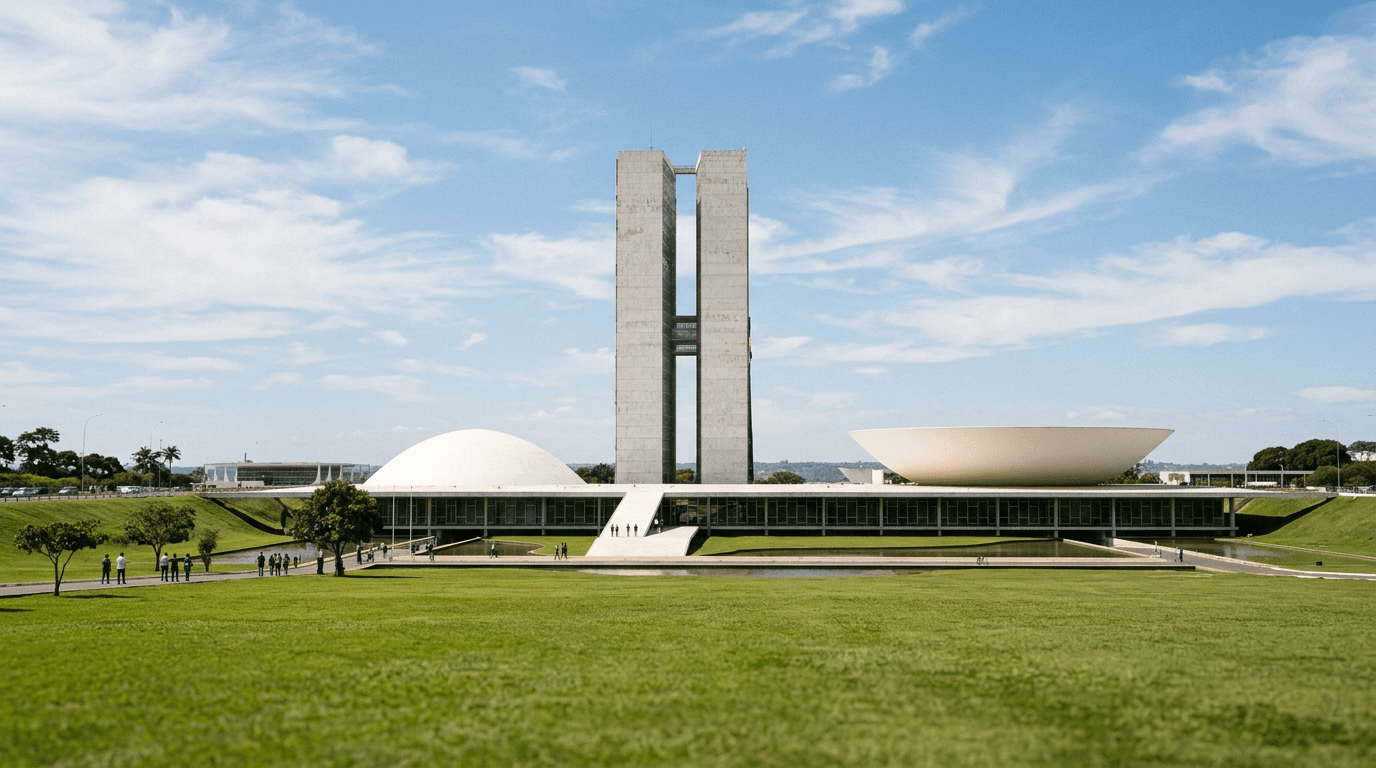
American companies operating in Brazil and global businesses employing local staff must rapidly overhaul their workforce planning to comply with a sweeping constitutional overhaul. On October 16, 2026, the Brazilian Congress officially promulgated Constitutional Amendment 141/2026, which bans the country's long-standing "6x1" work schedule—where employees work six consecutive days with only one day off. The new mandate establishes a standard 5x2 workweek, giving employees two rest days per week.
The reform, heavily backed by President Luiz Inácio Lula da Silva's administration, reduces the maximum weekly working hours from 44 to 40 hours. Crucially, the amendment strictly prohibits any reduction in employee salaries. This means multinational employers must absorb a direct increase in hourly labor costs while adjusting shift rosters, payroll calculations, and overtime structures.
According to the text of the amendment, the transition will occur in two distinct phases. The first phase begins in mid-December 2026—exactly 60 days after the mid-October promulgation—when the maximum workweek drops to 42 hours and the 5x2 schedule becomes mandatory. Twelve months after that initial phase, the weekly limit will drop to the final 40-hour threshold.
The sudden shift has raised concerns among business associations regarding operational costs, particularly in continuous-coverage sectors like retail, customer service, and manufacturing. To mitigate the impact on smaller enterprises, Congress simultaneously approved measures to raise the annual revenue limits for micro-entrepreneurs, allowing them to hire additional staff. For larger corporations, however, the law offers limited flexibility: any deviation from the 5x2 schedule will require formal collective bargaining agreements, and any hours worked beyond the new limits must be compensated as overtime.
In your brokerage app
For retail investors tracking South American exposure, these rising labor costs could pressure the margins of major Brazilian companies. You can monitor this regulatory impact through the iShares MSCI Brazil ETF, listed in New York, which holds a broad basket of the country's largest corporate employers.