
Brazil Judicial Oversight Body Cancels R$4.7 Billion in Government Debt Tied to Master Group
The CNJ's Corregidor ordered the cancellation and return of R$4.7 billion in federal precatórios, citing their irregular issuance and connection to the liquidated Banco Master.
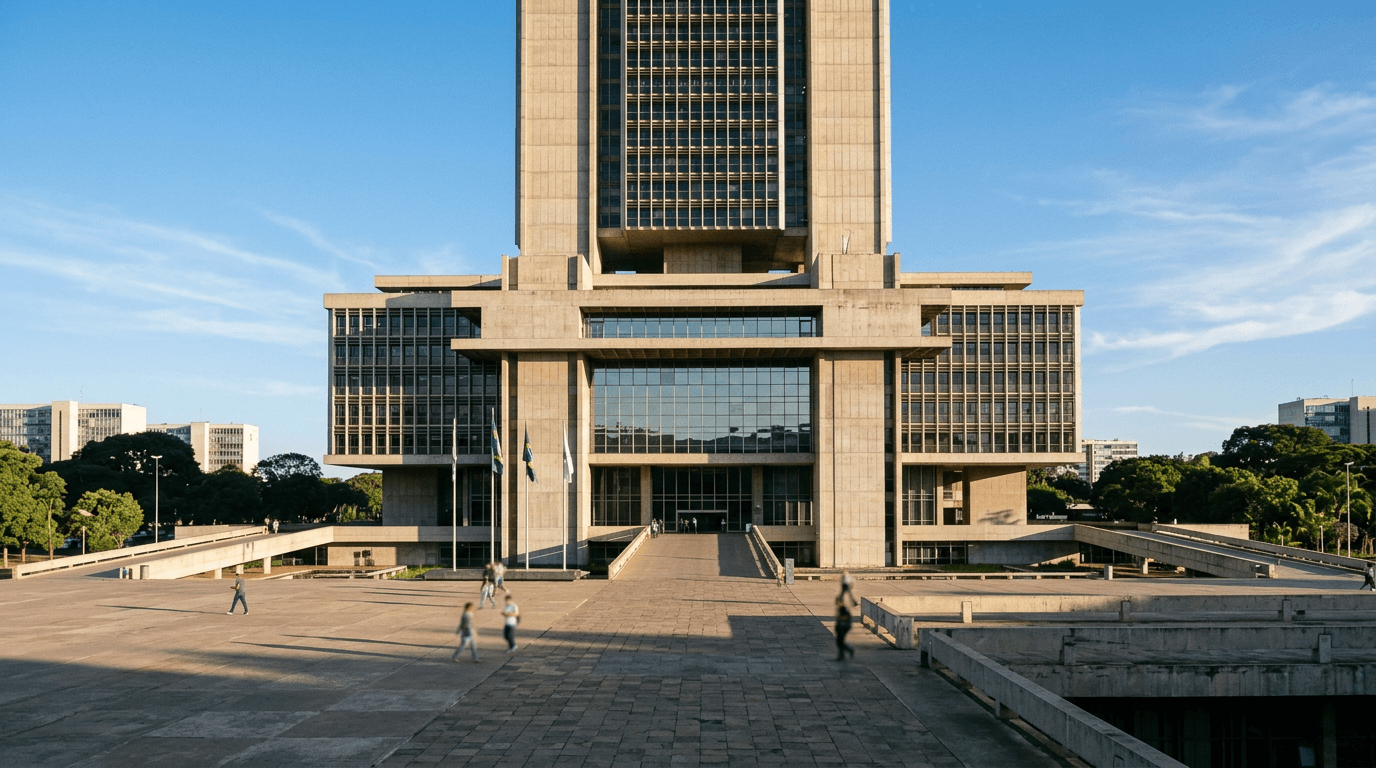
The National Council of Justice (CNJ) has ordered the cancellation of R$4.7 billion in federal court-ordered government debt, or precatórios, which had been irregularly issued and linked to the now-liquidated Banco Master, sending a signal that reverberates through Brazil’s secondary debt market. The decision, handed down by CNJ Corregidor Minister Benedito Gonçalves, demands the resources be returned to the Union's Single Account (Tesouro Nacional) within five days.
The decision addresses 16 precatórios related to three sugar-alcohol sector companies—Companhia Açucareira Usina Capricho, Una Agroindustrial, and Companhia Açucareira Vale do Ceará Mirim. For foreign readers, precatórios are non-negotiable bonds that represent debts the government owes to private parties following a final, unappealable court ruling. A brisk, yet often opaque, secondary market exists where investors purchase these credits at a discount.
The CNJ, an administrative and financial oversight body for the Brazilian Judiciary, ruled that the precatórios were issued prematurely before the final decision (trânsito em julgado) in the execution phase of the lawsuits. This practice of creating "blocked precatórios"—where the debt is recognized and funds are deposited in a judicial account but barred from release—was deemed by the CNJ to have no legal basis. The resources, which have been held in judicial accounts since December 2023, must now be returned to the federal government.
The case came under scrutiny due to the involvement of the Master group. The companies holding the debt had allegedly negotiated the credits with Banco Master, whose former controller, Daniel Vorcaro, is currently imprisoned and facing investigation. The Attorney General’s Office (AGU), which requested the cancellation, presented evidence linking the precatórios to a list found on Vorcaro’s mobile phone. The Corregidor also ordered the Tribunal Regional Federal of the 1st Region (TRF-1) to explain the withdrawal of R$16.1 million from one of the linked accounts in July, despite prior holds.
The move reinforces the government’s efforts to clean up a high-value debt sector plagued by allegations of irregular financial engineering. The AGU notes that the new ruling brings the total value of precatórios canceled by judicial and oversight bodies in 2025 and 2026 to R$18.2 billion. This systemic risk is what the oversight is designed to contain, as the irregular issuance puts the federal budget at risk. The immediate consequence is a five-day deadline for the TRF-1 to comply with the cancellation and return the R$4.7 billion to the public treasury.
What it touches
The decision directly impacts the integrity and stability of the precatórios secondary market, which is valued in the tens of billions of reais. While precatórios are not typical fixed-income assets, the confidence of domestic and international investors who acquire these government liabilities is directly tied to the perceived security and legal certainty of the claims. Large-scale cancellations, like this R$4.7 billion order, introduce significant counterparty and legal risk, which can cause valuations in the private precatórios market to fluctuate.
Related coverage
Politics
Lula and Flávio Bolsonaro Tied in Critical Bellwether State of Minas Gerais, Quaest Poll Finds
Published
Politics
Lula Opens UN Assembly with Call for Urgent Security Council Reform, Citing Low Credibility
Published
Politics
Brazil’s Illegal Gold Rush Fuels Amazon Crime and Widespread Mercury Contamination
Published