US Beef Quota for Brazil Fills in Six Days as Imports Surge
Brazil's 52,000-ton US beef quota was exhausted in six days in 2026, highlighting the severe US cattle shortage pushing up ground beef prices.
Key takeaways
- Brazil's US beef quota of 52,000 metric tons was exhausted in six days, per MAPA on November 3, 2026
- The US opened a temporary 300,000 metric ton out-of-quota allocation for lean trimmings, per MAPA on November 3, 2026
- US beef imports from Brazil reached 48,333 metric tons in September 2026, representing a 21.6% export share, per S&P Global on November 4, 2026
- The US cattle herd shrank to 86.2 million head at the start of 2026, per the USDA on November 6, 2026
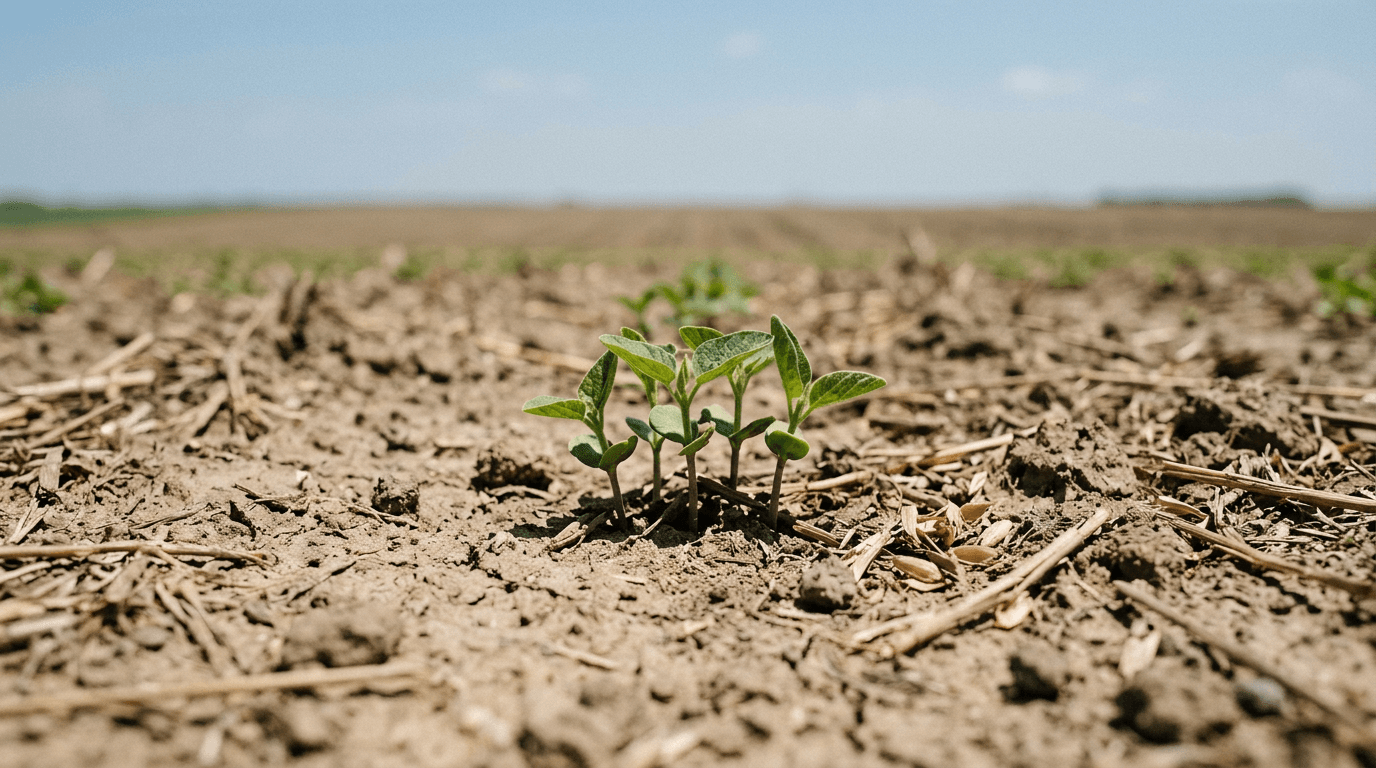
Brazil's annual tariff-free beef import quota to the United States of 52,000 metric tons was completely exhausted in just six days in early 2026, according to trade data presented by Brazil’s Ministry of Agriculture and Livestock (MAPA) on November 3, 2026. This rapid exhaustion highlights the intense American demand for imported lean beef trimmings to blend with fattier domestic beef, driven by a historic domestic cattle shortage that shrank the US herd to a 70-year low of 86.2 million head at the start of 2026, as reported by the US Department of Agriculture (USDA). To manage margins and satisfy the demand for affordable meat, US grocery chains and meat processors have grown increasingly reliant on South American imports.
To fill this critical supply gap, US buyers turned to Brazilian meatpackers in record numbers, but strict import limits are keeping supply tight. Speaking at the Meat Import Council of America conference in Scottsdale, Arizona, on November 3, 2026, Augusto Billi, the secretary of trade and international relations at MAPA, revealed that after the initial 52,000-ton threshold was crossed, subsequent Brazilian shipments became subject to a steep 26.4% out-of-quota tariff. This high duty threatened to halt trade and drive retail ground beef costs even higher. Indeed, retail ground beef reached record highs in mid-2026, averaging $6.88 per pound according to official consumer price data published by Beef Magazine on August 31, 2026.
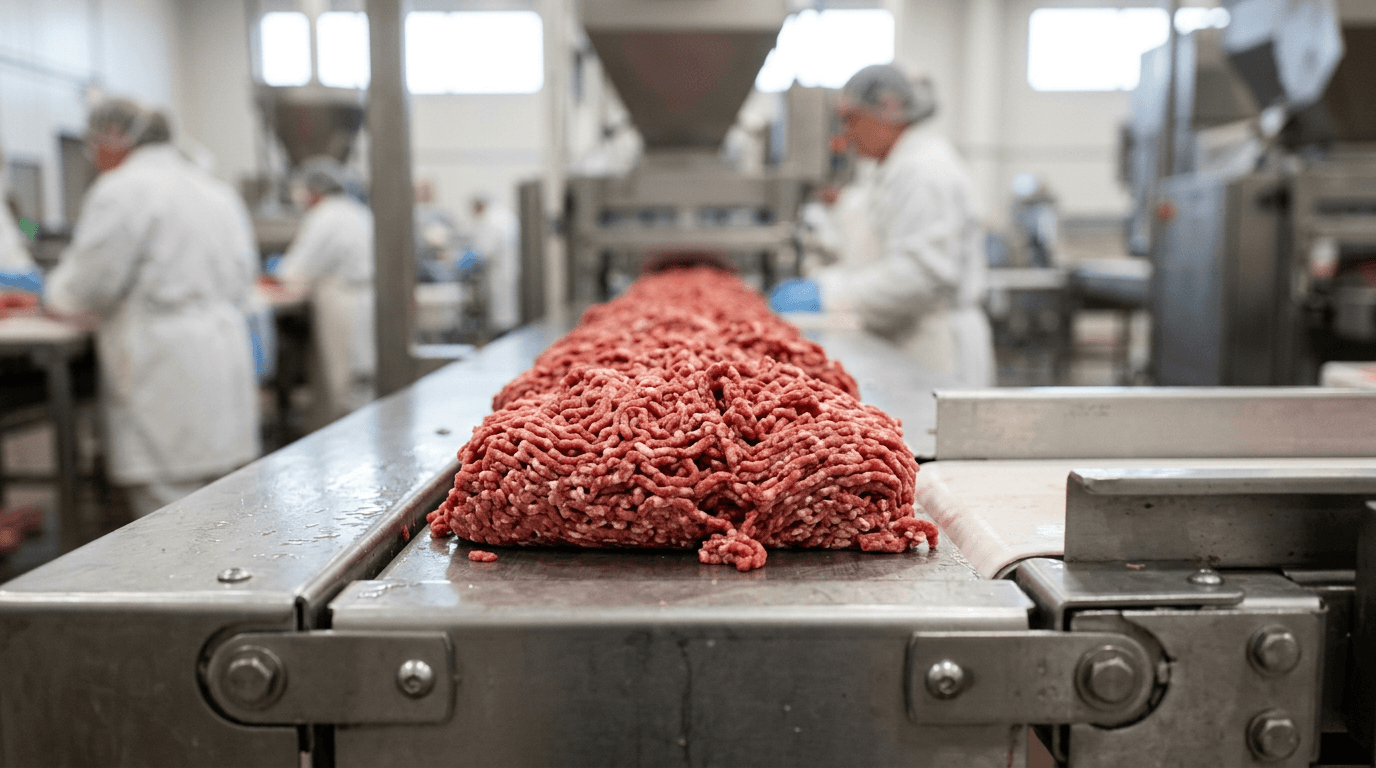
In response to the supply pressure, the White House opened a temporary 300,000 metric ton out-of-quota tariff waiver for lean beef trimmings, which was active from September 1 to November 30, 2026, under a presidential proclamation signed on August 26, 2026. This temporary policy shift triggered an immediate export boom from South America. In September 2026, the US overtook China to become the single largest destination for Brazilian beef exports, absorbing 48,333 metric tons—representing a massive 21.6% share of all Brazilian beef exports, up from a scant 2.8% share a year earlier, according to S&P Global on November 4, 2026.
Despite the surge in imports, the policy did little to lower costs for US consumers, and the sudden policy shift created logistical headaches for international packers. According to an American Farm Bureau Federation analysis published on October 13, 2026, average retail ground beef prices remained virtually unchanged in 30 of 41 grocery stores tracked across the country. Meanwhile, Brazilian meatpacker Minerva Foods had to halt the release of hundreds of millions of dollars in existing US-bound beef stocks to prioritize cheaper new shipments under the tariff waiver, delaying its corporate debt-reduction plans through late 2026, per reporting by The AgriBiz on November 12, 2026.
Looking ahead, the expiration of the temporary 300,000-ton tariff holiday on November 30, 2026, means US importers will once again face the standard 26.4% over-quota tariff on Brazilian beef. Rebuilding the US herd of 86.2 million cattle is a multi-year process, meaning tight supply will persist. MAPA is pushing the US government to establish a more stable, predictable framework for bilateral trade to avoid sudden disruptions to the ground beef market, as proposed at the Scottsdale conference on November 3, 2026.
In your brokerage app
Global food processors like Tyson Foods, listed in New York, rely heavily on imported lean trimmings to manage margins for their domestic beef portfolios. Investors tracking the global agricultural supply chain can also monitor Brazilian meatpacking giants like JBS, which trades in New York as American Depositary Receipts, as both companies navigate the trade friction and quota negotiations between Washington and Brasília.