

Soybean Harvest Expected to Fall 1.3% in Brazil on El Niño
Private consulting firm Agroconsult estimates Brazil's 2026/27 soybean crop at 182.3 million tons, down 1.3% as El Niño disrupts farm productivity.
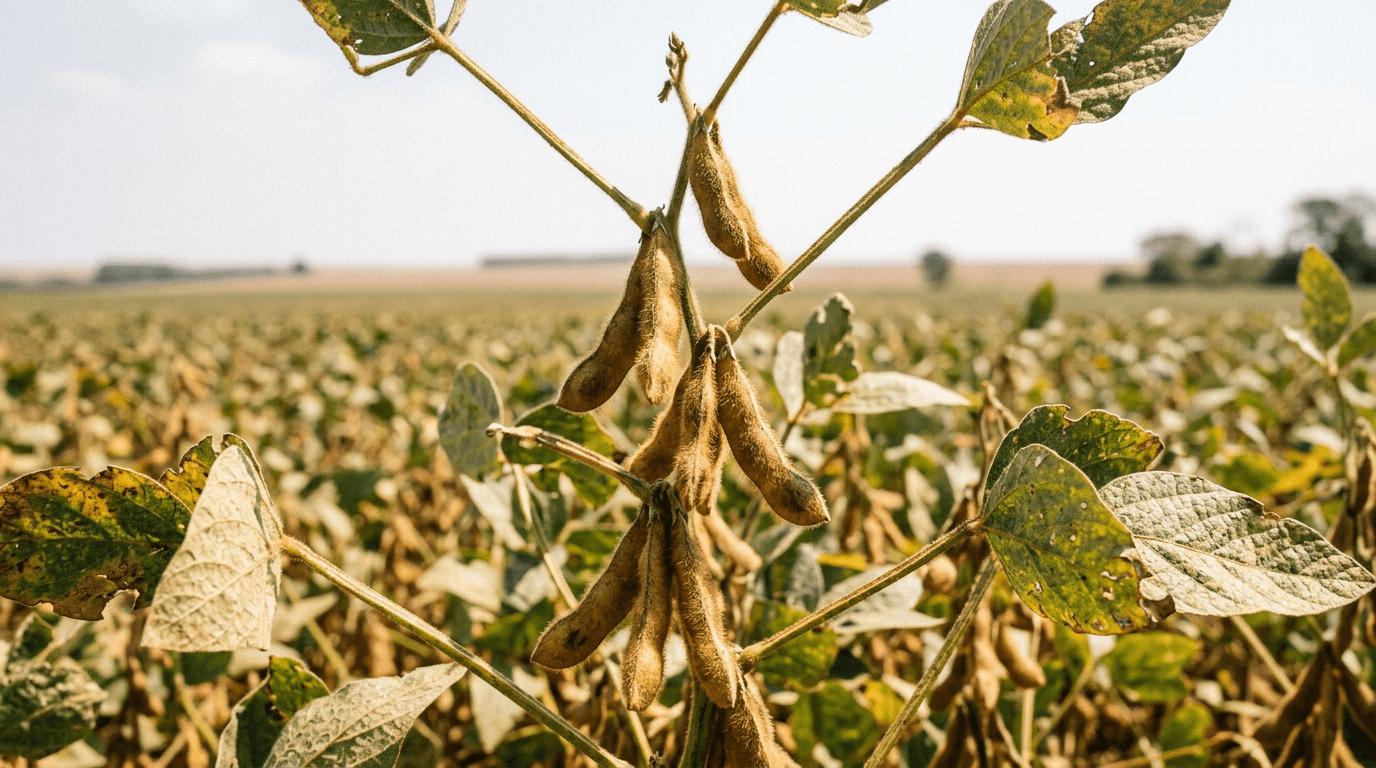
Key takeaways
- Agroconsult projected Brazil's 2026/27 soybean crop at 182.3 million metric tons, a 1.3% annual decline, per Agroconsult on November 26, 2026
- Planted area is expected to hold flat at 49.1 million hectares due to tight credit, per Agroconsult on November 26, 2026
- Lower crop productivity is being driven by the El Niño weather pattern, per Agroconsult on November 26, 2026
Chicago agricultural futures and global food supply chains face tighter conditions as the world’s leading soybean exporter prepares for a production pullback. On November 26, 2026, private agricultural consulting firm Agroconsult estimated Brazil's upcoming 2026/27 soybean crop at 182.3 million metric tons. This projection, presented at an industry event in São Paulo hosted by the grain exporters association ANEC, represents a 1.3% decline from the record-setting 184.7 million metric tons harvested in the 2025/26 cycle, threatening to shrink global oilseed reserves.
According to data compiled by portaldoholanda.com.br, the anticipated drop is primarily driven by lower crop productivity linked to the El Niño weather pattern. While the planting process has reached a healthy 92% of the projected area as of late November 2026, the overall cultivation footprint is expected to remain flat at 49.1 million hectares. For a nation that historically expands its soy fields by up to 1.5 million hectares annually, this sudden plateau underscores the financial pressures mounting on local producers.
Weather Disruptions and Debt Squeeze Growth
André Pessôa, chief executive officer of Agroconsult, explained at the ANEC event on November 26, 2026, that narrow profit margins and high local interest rates have restricted the credit available to farmers. Many growers are also grappling with rising debt levels; Agroconsult previously noted that the agricultural sector's net debt-to-EBITDA ratio is projected to jump from 2.1x in 2026 to 2.8x in 2027. Although the crop's initial establishment has been smoother than in prior dry spells, the expected onset of high temperatures and dry conditions from El Niño continues to pose significant yield risks.
As the global market relies heavily on Brazilian soy to feed livestock and produce cooking oils, a prolonged supply squeeze will likely support Chicago Board of Trade commodity futures over the coming months. Market participants are watching whether national yields can hit the projected average of 63.7 bags per hectare. Any further weather deterioration in major agricultural hubs like Mato Grosso could force analysts to trim these production figures even deeper.
In your brokerage app
Retail investors tracking global grain supplies often watch the Teucrium Soybean Fund, an exchange-traded fund that directly tracks soy futures. On the equity side, New York-listed agricultural developer Adecoagro operates large-scale farming operations in South America, making its financial performance highly sensitive to regional weather patterns and shifting international commodity prices.
Related coverage
 Sabesp Wins Approval for 11% Larger Asset Base to Drive TariffsSão Paulo state regulator Arsesp validated a R$97.8 billion regulatory asset base for Sabesp in 2025, an 11% increase to boost long-term tariff revenue.
 Credicorp Merges Pacífico Insurance and Health Under Single CEOPeru's Credicorp consolidates its retail insurance and private healthcare businesses under Pacífico Seguros CEO Eduardo Montero.
 Petrobras Sets December 31 for Extraordinary ADR Dividend PaymentPetrobras filed a SEC 6-K detailing an extraordinary dividend of R$15.60 billion, with New York ADR holders scheduled to receive payments starting December 31.