US Soybean Farmers Face Price Pressure as China Revives Trade Targets
China's push to meet a 25 million tonne US soybean purchase target under a bilateral trade pact clashes with cheaper Brazilian imports and long-term demand cuts.
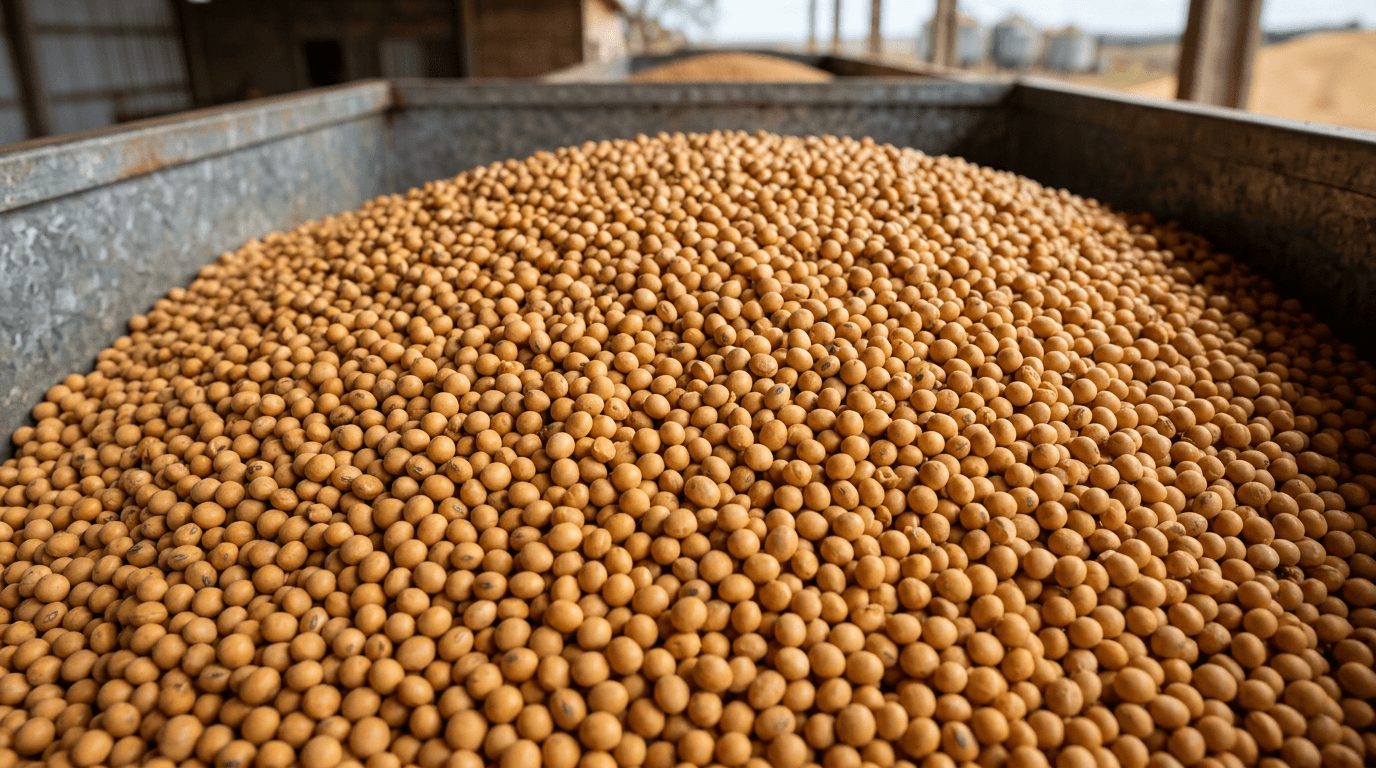
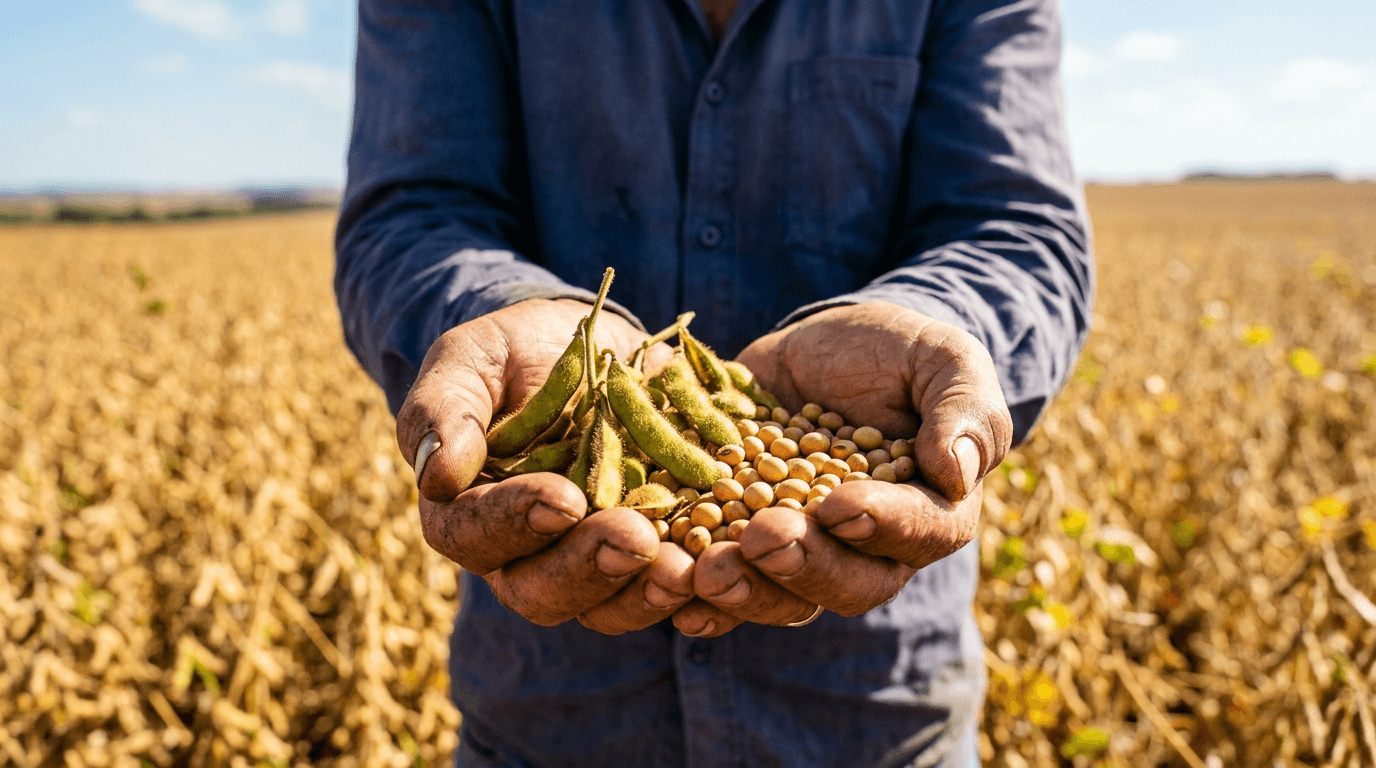
American retail investors trading agricultural commodities or grain processing equities are facing a shifting landscape as China attempts to balance its political trade commitments against market realities. Under a bilateral trade framework established following the Busan agreement, Beijing committed to purchasing a minimum of 25 million tonnes of US soybeans annually from 2026 through 2028. However, actually delivering on these targets is proving difficult because of a massive price gap with South American suppliers.
As of late October 2026, Chinese customs data showed China had contracted just 13.73 million tonnes of soybeans from the United States for the year, leaving a gap of over 11 million tonnes to meet its annual target. The shortfall stems from private Chinese crushers favoring cheaper Brazilian imports. Despite Beijing's diplomatic commitments, Brazil remains highly competitive, holding a price advantage of up to $63 per tonne over US shipments to Shanghai earlier in 2026.
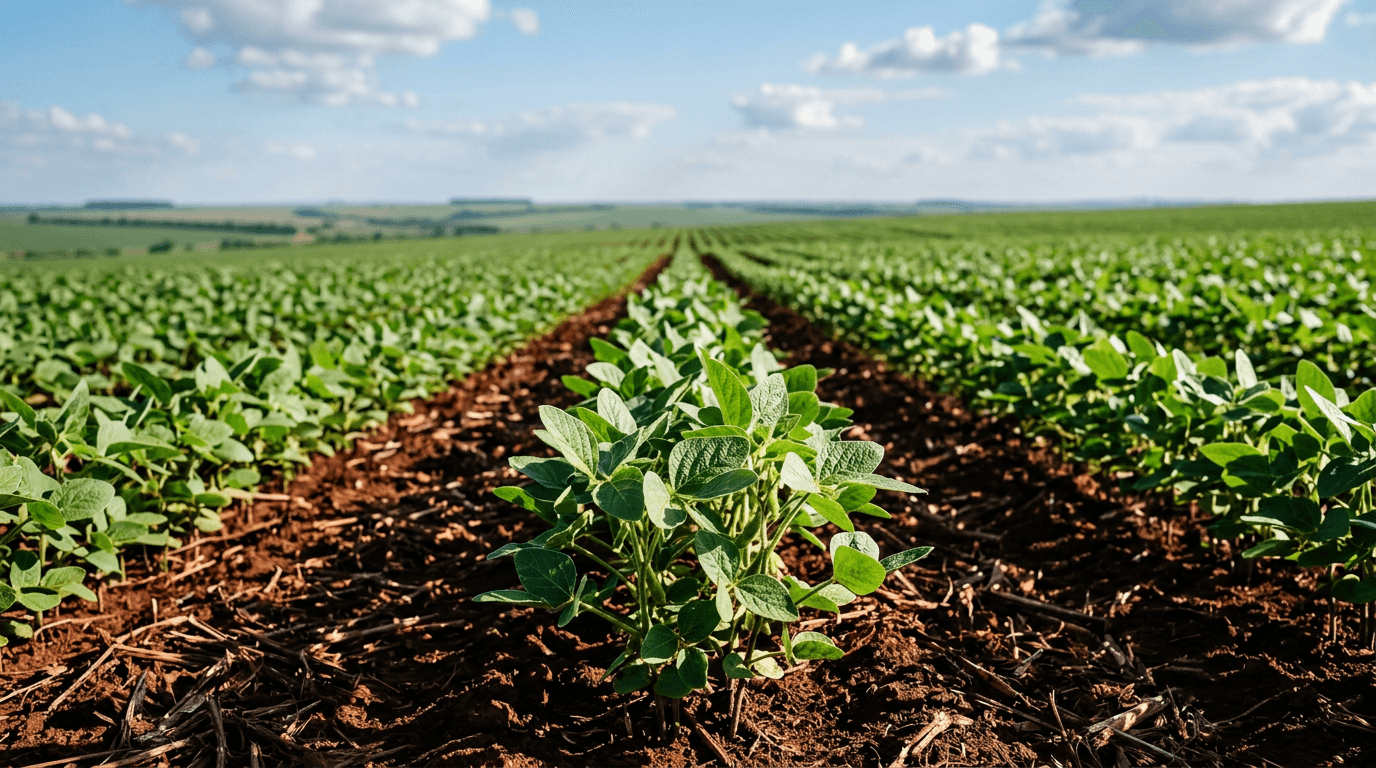
This pricing gap is widened by a lingering 10% retaliatory tariff that China maintains on US soybeans, compared to just a 3% tariff on Brazilian imports. While Chinese state-owned enterprises have stepped in to make policy-driven purchases of US grain to satisfy political agreements, private Chinese processors continue to buy from brazil soybean farmers. In 2026, Brazil's soybean producers shipped nearly 64 million tonnes of soybeans to China, setting a new historical record.
A Structural Shift in Chinese Demand
Beyond the immediate price competition between the US and Brazil, a deeper structural threat is emerging for global grain markets. According to a landmark study published in 2026 by the systems-change consultancy Systemiq, China is actively executing a long-term food security strategy to reduce its overall reliance on imported agricultural commodities. The country’s 15th Five-Year Plan, enacted in March 2026, officially elevated agricultural self-sufficiency to a matter of national security.
The Systemiq report projects that China’s total soybean imports could fall by 25%—or roughly 23.5 million tonnes—by 2030. This reduction is driven by livestock feed reforms, where Chinese hog and poultry producers are replacing soybean meal with synthetic amino acids and alternative proteins. The Chinese Ministry of Agriculture has set targets to lower the soybean meal ratio in animal feed from 14.5% to under 10% by 2030, a goal that major Chinese agribusinesses are already achieving.
For US and Brazilian farmers alike, this structural decline in Chinese demand represents a permanent contraction of their largest export market. Over the next two years, the US-China Board of Trade will continue negotiating reciprocal tariff reductions. However, unless Washington can secure the removal of China's 10% retaliatory tariff on soybeans, US exporters will remain at a severe disadvantage to Brazilian suppliers, even as the overall import pie begins to shrink.
In your brokerage app
Investors holding agricultural exchange-traded funds or major grain processors can track these shifting trade dynamics through the Teucrium Soybean Fund, an exchange-traded fund listed in New York that tracks soybean futures contracts. Exposure to global agricultural supply chains is also concentrated in major multinational grain merchants like Archer-Daniels-Midland Company and Bunge Global SA, both listed in New York, which operate extensive crushing and logistics networks across both the US and Brazil.