Big Money Holds Long Soybean Bets as Brazil Speeds Up Planting
The CFTC reports net-long soybean positions at 163,618 contracts as of November 3, 2026, while Brazil's planting pace pressures global supply outlooks.
Global commodity traders are keeping their financial weight behind American agricultural exports, even as South American supply chains prepare to flood the market. For retail investors holding diversified commodity funds or agricultural equities, weekly positioning data offers a crucial temperature check on where institutional money is placing its bets.
According to the U.S. Commodity Futures Trading Commission (CFTC), non-commercial traders held a net-long position of 163,618 contracts in Chicago Board of Trade soybean futures (contract 005602) as of November 3, 2026. This positioning reflected 239,253 long contracts against 75,635 short contracts, within a total market open interest of 959,576 contracts. While these figures represent a snapshot of paper-market sentiment rather than a direct price forecast, they highlight a sustained speculative appetite for oilseeds.
Brazil's Planting Speed Limits Price Upside
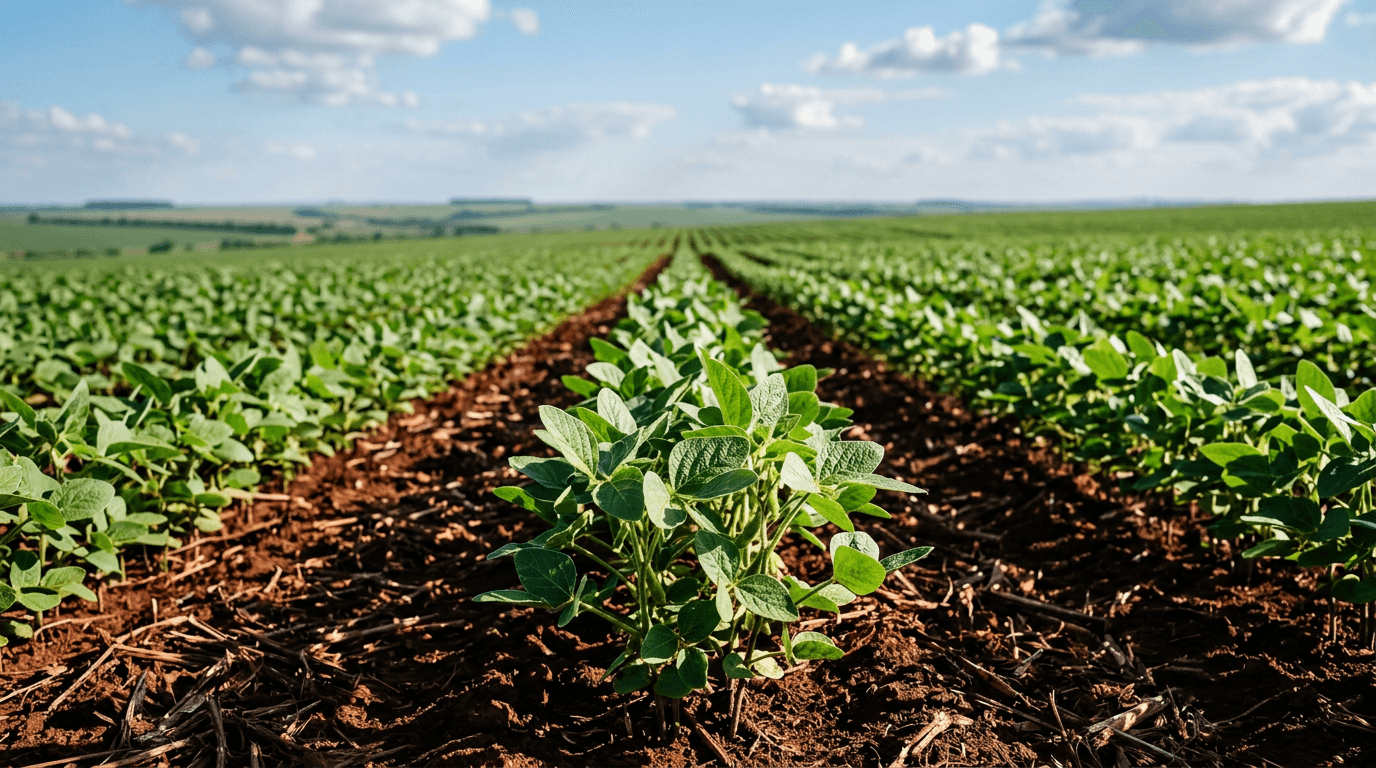
The bullish sentiment in Chicago is facing a reality check from South American fields, where the physical supply chain is moving at a rapid clip. In Brazil, the world's largest soybean exporter, farmers have capitalized on favorable weather to accelerate their crop cycle. Data from local agricultural consultancies on November 2, 2026, showed that Brazil's soybean planting had reached 53% of the projected area, running well ahead of the 47% pace recorded during the same period last year.
This rapid planting progress in Brazil's key agricultural states, such as Mato Grosso, acts as a natural cap on global price rallies. When Brazilian farmers plant early, it minimizes the risk of weather disruptions during the critical pod-filling stages and ensures a timely harvest starting in January. For global buyers, particularly in China, a swift Brazilian harvest provides a reliable alternative to U.S. supplies early in the new year.
The Balance of Global Demand
Despite the looming South American harvest, U.S. export demand has remained highly resilient, supporting the net-long positions held by large speculators. The U.S. Department of Agriculture (USDA) reported that cumulative soybean export inspections for the marketing year reached 12.18 million metric tons by late October 2026, marking a 56% increase compared to the previous year.
This tension between strong immediate export shipments from the U.S. and the expectation of a massive South American crop in early 2027 keeps the soybean market in a delicate balance. While speculative funds remain net-long, any further acceleration in Brazil's crop development could prompt a rapid liquidation of these positions, reshaping the outlook for global agribusinesses.
In your brokerage app
For retail investors looking to track the real-world impact of global agricultural flows, Adecoagro S.A. is listed in New York and owns extensive farmland and agricultural operations across South America. Additionally, the iShares MSCI Brazil ETF offers broad exposure to the country's large-cap corporate sector, which is heavily influenced by the macroeconomic health of its massive agricultural export engine.