

Soybean speculative bets surge as global buyers watch Brazil weather
Speculators build a heavy net-long position in Chicago soybean futures, highlighting market anxiety over early-season planting delays in Brazil.
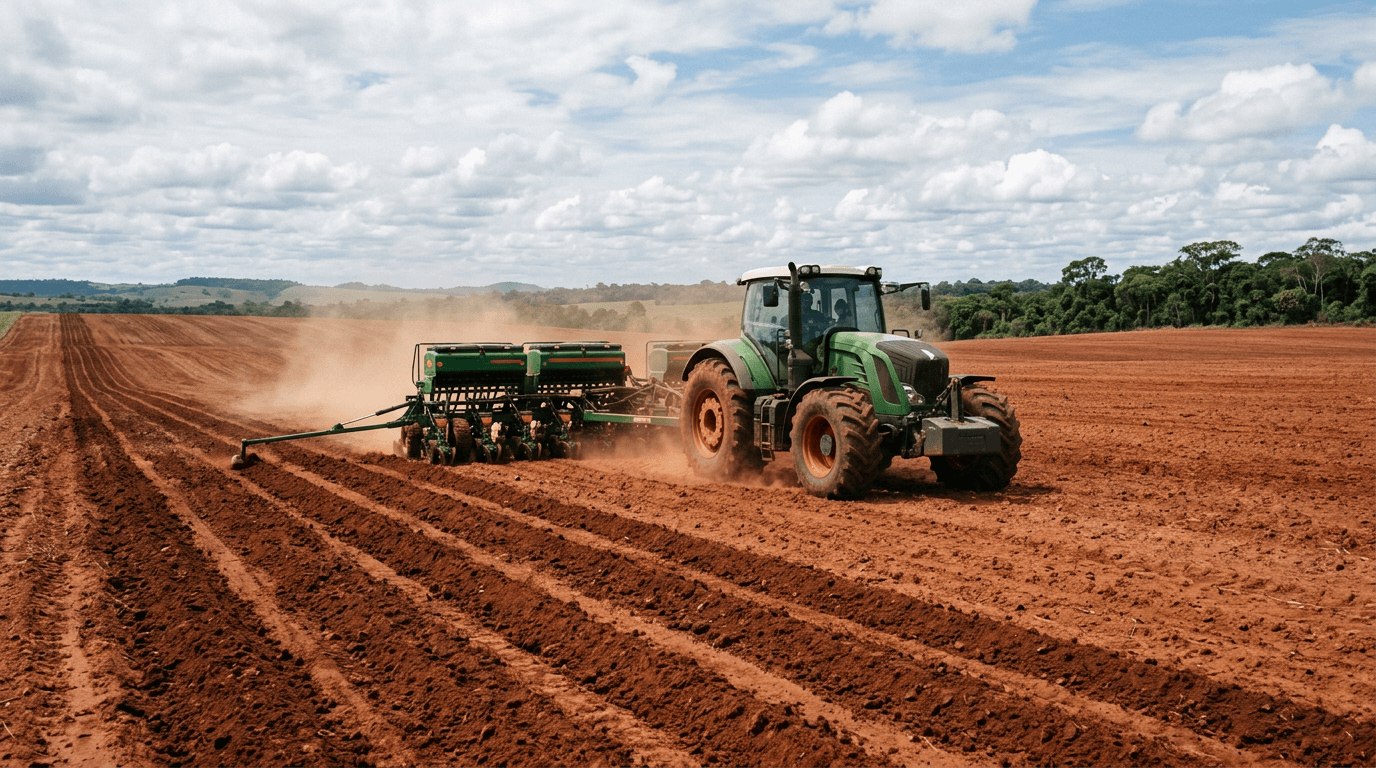
Speculative financial traders have built a substantial net-long position in Chicago soybean futures, signaling heightened market sensitivity to the start of the South American planting season. According to the weekly Commitments of Traders report released by the U.S. Commodity Futures Trading Commission (CFTC) for the week ending September 29, 2026, non-commercial market participants held 345,383 long contracts (bets that prices will rise) against 88,511 short contracts (bets that prices will fall).
This positioning leaves non-commercial traders with a net-long stance of 256,872 contracts, within a total market open interest of 1,090,227 contracts on the Chicago Board of Trade (CBOT). Weekly trader positioning data serves as a barometer for financial sentiment rather than a direct price forecast, but the heavy concentration of bullish bets underscores how closely global markets are watching the agricultural heartland of South America.
For Brazil, the world's largest exporter of soybeans, these financial maneuvers in Chicago carry immediate real-world consequences. Brazilian farmers in key agricultural states like Mato Grosso and Paraná are currently beginning their 2026/2027 planting cycle. Early-season weather in these regions dictates the pace of global supply. Delays in rainfall can stall planting, which in turn pushes back the subsequent harvesting window and threatens the secondary "safrinha" corn crop that is planted immediately afterward on the same acreage.
When speculative funds pile into long positions, it typically reflects anxiety over these early-stage supply risks. If dry weather persists in central Brazil, local producers face higher operational risks, while international buyers must brace for tighter export windows. Conversely, if the spring rains arrive in abundance, the rapid progress of Brazilian tractors can quickly deflate the premium that financial speculators have built into CBOT contracts.
What it touches
While these agricultural dynamics primarily play out in physical grain markets, they directly influence the broader outlook for the Brazil stock market and the country's currency, the real. Major agribusiness operators and landholders, such as Adecoagro S.A. (NYSE: AGRO) and global protein giant JBS N.V. (NYSE: JBS), are highly sensitive to the shifting valuations of agricultural commodities and the export revenues they generate. Additionally, a strong soybean crop supports Brazil's trade balance, which historically acts as a key driver for the performance of the broader Brazilian stock market index.
Related coverage
 US-Listed Brazil ETF Braced for New 25% Dividend Tax ProposalLeft-wing lawmakers in Brasília proposed progressive dividend taxes up to 25% as US-listed Brazilian equities navigate fiscal reforms and corporate shocks.
 Petrobras Prepares to Raise Capital Spending Up to $120 BillionAmerican investors holding Petrobras certificates face a potential dividend squeeze as the energy giant prepares to unveil a capital-heavy business plan.
 Klabin Boiler Explosion Threatens Dividends for US ADR HoldersA suspension at Klabin's Otacílio Costa mill following a boiler explosion could cut annual EBITDA by 7%, posing a risk to ADR holder dividends.