
Minerva Foods Revives Privatization Talks Amid Depressed Valuations
South America's largest beef exporter is considering a buyout as low market valuations and a challenging cattle cycle squeeze its share price.
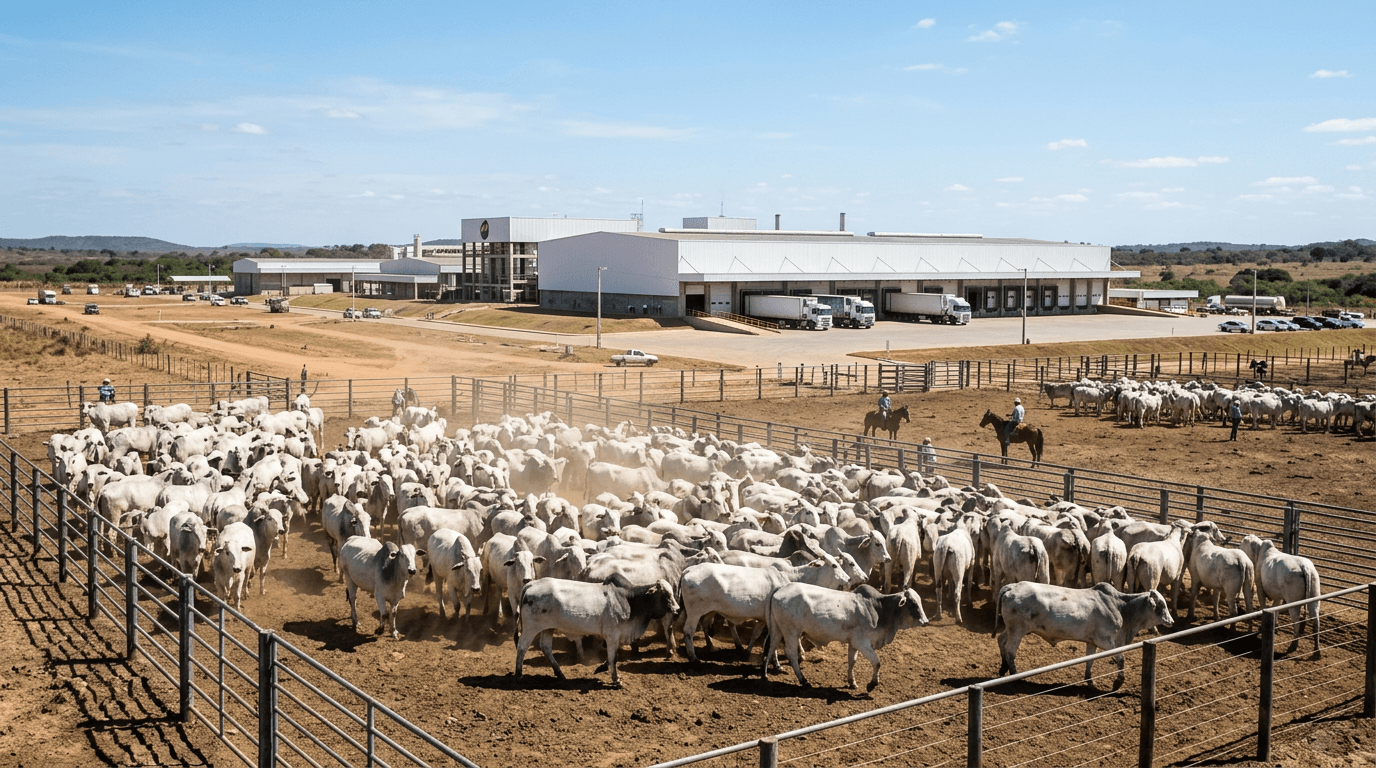
The controlling shareholders of Minerva Foods, South America’s largest exporter of beef, have revived discussions to take the company private. The move highlights how persistently low valuations on the Brazilian stock exchange are prompting major corporate players to consider delisting rather than dealing with public market pressures.
According to an October 8, 2026, report by Brazilian business outlet NeoFeed, the Villela de Queiroz family—which founded the company—and the Saudi Agricultural and Livestock Investment Company (SALIC) have resumed talks with investment bank BTG Pactual to structure a tender offer, known locally as an OPA (Oferta Pública de Aquisição). The controlling group previously explored a buyout in May, but those talks stalled. Sources close to the matter now estimate the probability of the transaction moving forward at roughly 50 percent.
Minerva Foods has faced a punishing year on the B3 exchange in São Paulo. The company's stock has lost over 23 percent of its value in 2026, weighed down by a rising cattle cycle in Brazil that has significantly squeezed profit margins. While the cost of cattle—the primary raw material for beef production—has surged by approximately 27 percent, global meat prices have not kept pace, leaving processors with high operational costs and diminished returns.
To successfully delist the company, the controlling shareholders would need to acquire the 45 percent of Minerva's shares currently held by public minority investors. Depending on the acquisition premium offered to convince these minority shareholders to sell, the total cost of buying out the free float is estimated to range between R$ 1.5 billion and R$ 2.3 billion.
The transaction represents a broader trend in the Brazilian market, where high domestic interest rates and global economic shifts have depressed equity valuations. For major agricultural exporters like Minerva, which helps supply some of the most famous Brazil foods to global markets, the costs of maintaining a public listing can outweigh the benefits when shares trade at what management views as a steep discount.
What it touches
A potential delisting would directly affect Minerva Foods' publicly traded shares on the São Paulo exchange (BEEF3). It also signals shifting dynamics for international agricultural investments in Brazil, particularly for Saudi Arabia's SALIC, which has steadily expanded its footprint in South American food production to secure food supplies for the Gulf region.