High Borrowing Costs Lock in as Brazil Inflation Breaches Target
Brazil's annual consumer price index rose to 4.63% in October 2026, pushing past the official ceiling and keeping the central bank's benchmark rate at 13.75%.
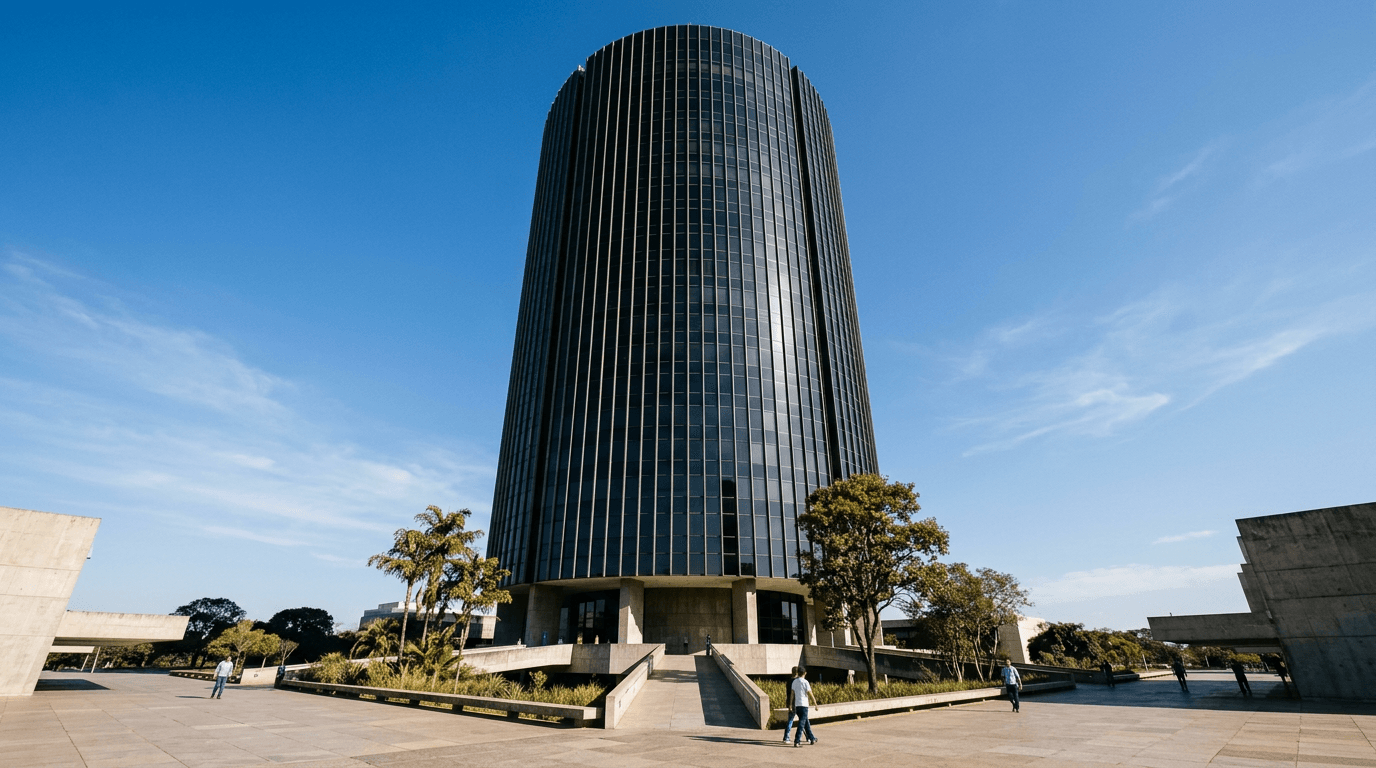
American retail investors holding diversified international funds or emerging market equities are facing prolonged headwinds from Latin America's largest economy. High borrowing costs and stubborn consumer prices are set to remain a fixture for multinational operations and local consumer demand, complicating the outlook for foreign capital.
The Brazilian Institute of Geography and Statistics (IBGE) announced on November 12, 2026, that Brazil's annual consumer price index (IPCA) accelerated to 4.63% in October 2026. This reading is up from 4.58% in September and officially pushes inflation past the central bank’s target tolerance ceiling of 4.5%. The uptick was primarily driven by food and beverage costs, which rose to an annual rate of 5.73% in October.
In response to worsening inflation expectations and post-election fiscal uncertainty following the re-election of President Luiz Inácio Lula da Silva on October 25, 2026, the Central Bank of Brazil has taken a defensive stance. During its November 4, 2026 meeting, the bank’s monetary policy committee (Copom) unanimously held its benchmark Selic rate at a highly restrictive 13.75%.
A Strict New Policy Framework
This breach of the ceiling carries structural consequences under Brazil's continuous inflation-targeting system, which took effect in January 2025. Under these rules, the central bank pursues a central target of 3%, with a 1.5 percentage point tolerance band on either side. If inflation remains above the 4.5% upper limit for six consecutive months, the target is officially considered missed, triggering formal explanations and further policy tightening. October 2026 marks the second consecutive month that inflation has hovered above this ceiling.
While the monthly inflation rate actually moderated to 0.14% in October from September's 0.82% due to temporary relief in electricity bills, the broader annual trend remains stubborn. Economists surveyed in the central bank's weekly Focus market readout now project that Brazil's official inflation will end 2026 at 5.22%, well above the government's target.
With the central bank signaling that further interest rate cuts are highly unlikely without concrete fiscal tightening from the government, businesses operating in Brazil must navigate elevated capital costs for the foreseeable future. This environment places a heavy burden on credit-dependent sectors like retail, domestic consumption, and technology.
In your brokerage app
For investors tracking the broader Latin American equity space, these macroeconomic pressures directly influence the iShares MSCI Brazil ETF, an exchange-traded fund listed in New York that tracks the largest publicly traded enterprises in Brazil. Persistent inflation and a restrictive 13.75% benchmark interest rate tend to weigh on the valuation of consumer-facing holdings within the fund, while keeping the Brazilian real under pressure against the U.S. dollar.