CBOT soybean futures show net-long positioning as harvest wraps up
Speculative traders hold a net-long position in CBOT soybean futures as a record US harvest and rapid planting in Brazil shape the global supply outlook.
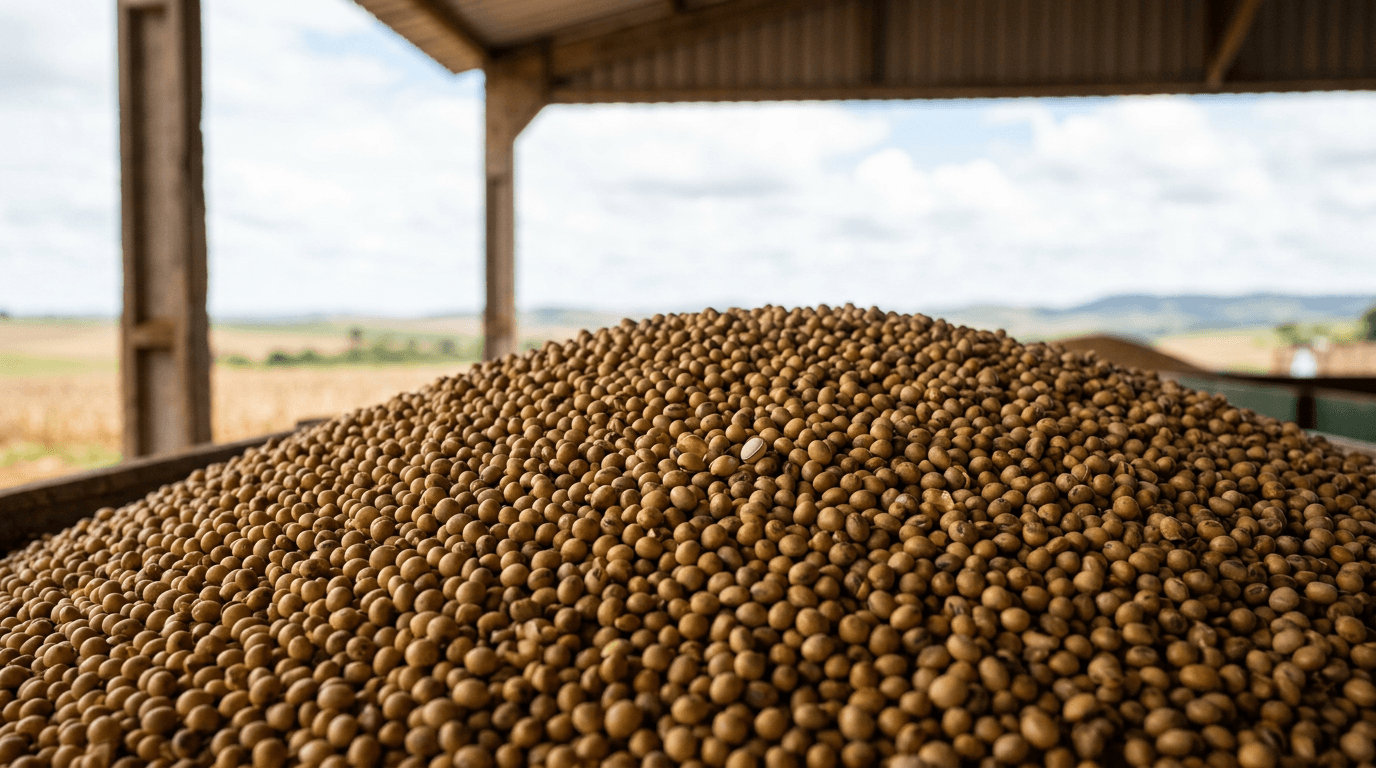
For retail investors holding diversified commodity baskets or agricultural exchange-traded funds, the underlying mechanics of the grain markets are flashing a defensive signal. While supermarket prices and headline inflation have stabilized, the raw materials behind global food supplies are navigating a heavy post-harvest supply.
According to the weekly Commitments of Traders report released by the U.S. Commodity Futures Trading Commission (CFTC), non-commercial traders—primarily speculative hedge funds and money managers—held a net-long position of 163,618 contracts in Chicago Board of Trade (CBOT) soybean futures (contract 005602) as of November 3, 2026. This positioning comprised 239,253 long contracts against 75,635 short contracts, out of a total market open interest of 959,576 contracts.
This spec positioning provides structural context rather than a direct price forecast, reflecting a market that is actively digesting a massive North American harvest while keeping a nervous eye on South America. In the United States, the Department of Agriculture has projected a record soybean yield of 53.1 bushels per acre for the current season, which has kept cash prices under pressure near the $12 mark.
The South American Shadow
For global agricultural markets, the real supply narrative is rapidly shifting to Brazil, the world's dominant soybean exporter. Brazilian farmers have experienced an accelerated planting window, with the country's soybean crop estimated at 53% planted by early November 2026, running ahead of the 47% pace recorded during the same period in the prior year.
This South American supply boom is compounded by currency dynamics. Following the conclusion of Brazil's October municipal and regional elections, domestic policy debates have focused heavily on fiscal spending and public debt limits. The resulting volatility has kept the Brazilian real weak against the U.S. dollar, effectively lowering the export price of Brazilian beans and giving local producers a competitive edge over American farmers in crucial markets like China.
In your brokerage app
Adecoagro S.A. is listed in New York and owns and operates extensive farmland assets across Brazil and Argentina. The company's financial performance and revenue streams are directly exposed to global soybean pricing and regional harvest volumes in South America.