Global crop strains trigger a massive farm-debt crisis in Brazil
Banco do Brasil reports a 66.5% drop in Q3 2026 profit as agricultural defaults surge, forcing dividend cuts and guidance revisions.
The soaring cost of groceries and crop commodities on global supermarket shelves has finally broken the financial stamina of the farmers who produce them. In a stark signal of the mounting strain on global agriculture, Latin America's largest agricultural lender has experienced a dramatic earnings collapse. The financial fallout is forcing a major retrenchment at one of the region's most critical state-backed institutions.
On November 11, 2026, Brazil's state-controlled financial giant, Banco do Brasil, reported that its adjusted net income for the third quarter of 2026 plummeted 66.5% year-over-year to 1.27 billion reais ($220 million). The result fell far short of the average analyst expectation compiled by Bloomberg. The steep drop was driven by a massive spike in defaults across its agricultural loan portfolio, which represents about one-third of the bank's total credit book.
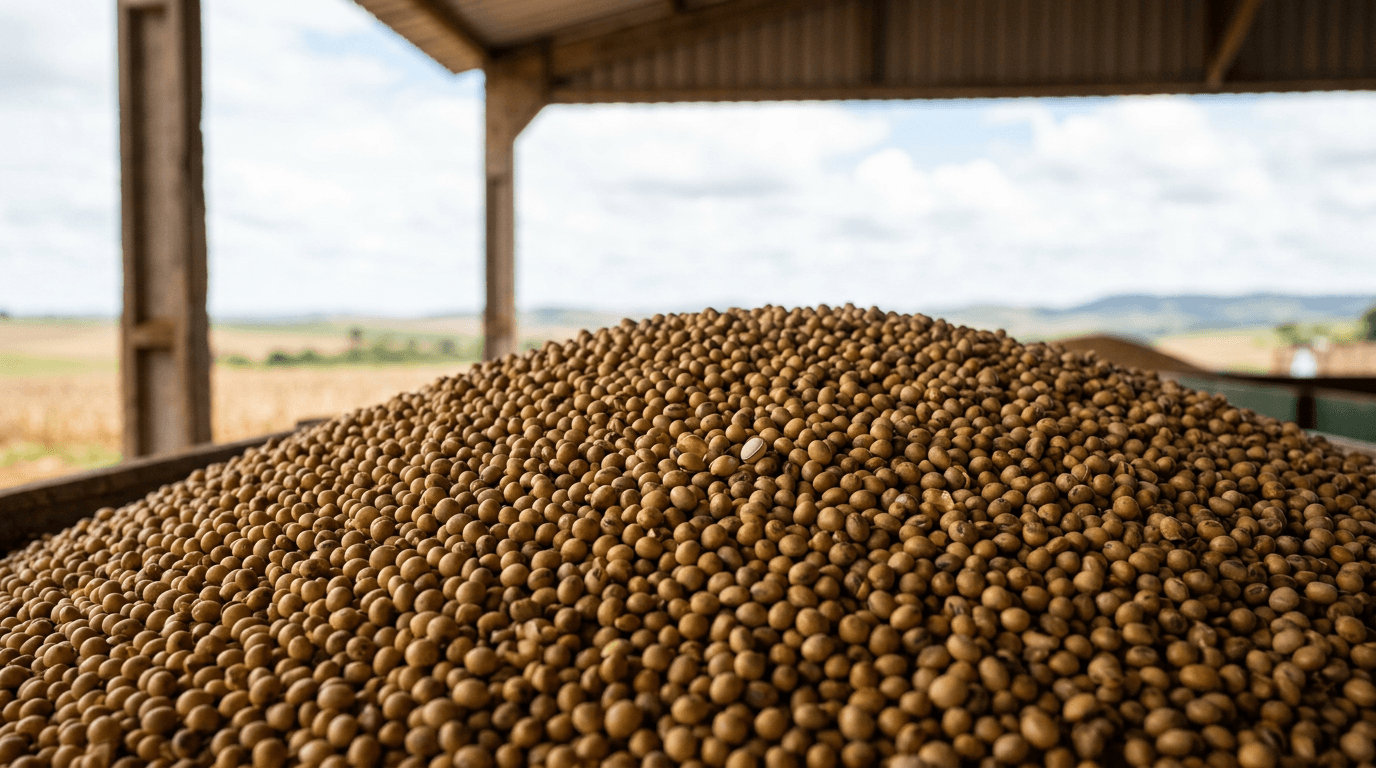
The financial distress is concentrated in Brazil's Center-West and Southern agricultural heartlands, where soybean, corn, and cattle producers have been hit by a severe combination of climate disruptions, falling crop prices, and high interest rates. To cover these mounting bad loans, Banco do Brasil's quarterly credit costs surged to 21.2 billion reais. The bank's agribusiness non-performing loans (NPLs) over 90 days jumped as the normalized return on equity for the first nine months of 2026 fell to 6.2%, down from a historical average of 16%.
A Deliberate Holdout by Farmers
The crisis is being exacerbated by what bank executives describe as a "moral hazard". In a public presentation on November 12, 2026, CEO Tarciana Medeiros—who was appointed by President Luiz Inácio Lula da Silva—attributed the severe earnings drop to rising delinquency that she characterized as deliberate. According to Medeiros, many medium and large rural producers are intentionally holding back payments, choosing neither to pay nor to renegotiate in hopes that the federal government will step in with a more generous debt-forgiveness package.
Only 15% of delinquent borrowers have joined the government's official debt-renegotiation program, known as Provisional Measure 1,376. With the bank's overall delinquency climbing, management has been forced to pivot from its historically lenient stance, increasingly taking defaulted borrowers to court to seize pledged collateral.
Slashing Forecasts and Dividends
The persistent agricultural distress has forced Banco do Brasil to aggressively protect its capital base. According to its November 11, 2026 earnings release, the bank slashed its full-year 2026 adjusted net income guidance, lowering its forecast to a range of 9 billion to 11 billion reais, down from the previous projection of 18 billion to 22 billion reais. It also raised its projected full-year credit costs to between 80 billion and 83 billion reais, up from its earlier estimate of 65 billion to 70 billion reais.
To preserve capital, the bank's board reduced its 2026 shareholder payout ratio to 25% of adjusted net income, which limits the distribution to the mandatory statutory minimum. The bank also announced it will adjust its dividend declarations, prioritizing balance sheet health as it navigates the deepest agricultural credit crisis in its history.
In your brokerage app
For global investors holding international assets, Banco do Brasil S.A. trades in New York as an American Depositary Receipt under the ticker BDORY. The bank is also a major holding in broad Latin American and emerging market financial exchange-traded funds, such as the iShares MSCI Brazil ETF (EWZ), meaning the agricultural credit crisis in South America's breadbasket could impact the dividend yields and valuations of these diversified funds.