
Cosan weighs scrapping Rumo's 15% poison pill to lure buyers
Brazilian conglomerate Cosan is considering removing a key corporate defense at its railway unit Rumo to attract strategic investors and reduce its debt.
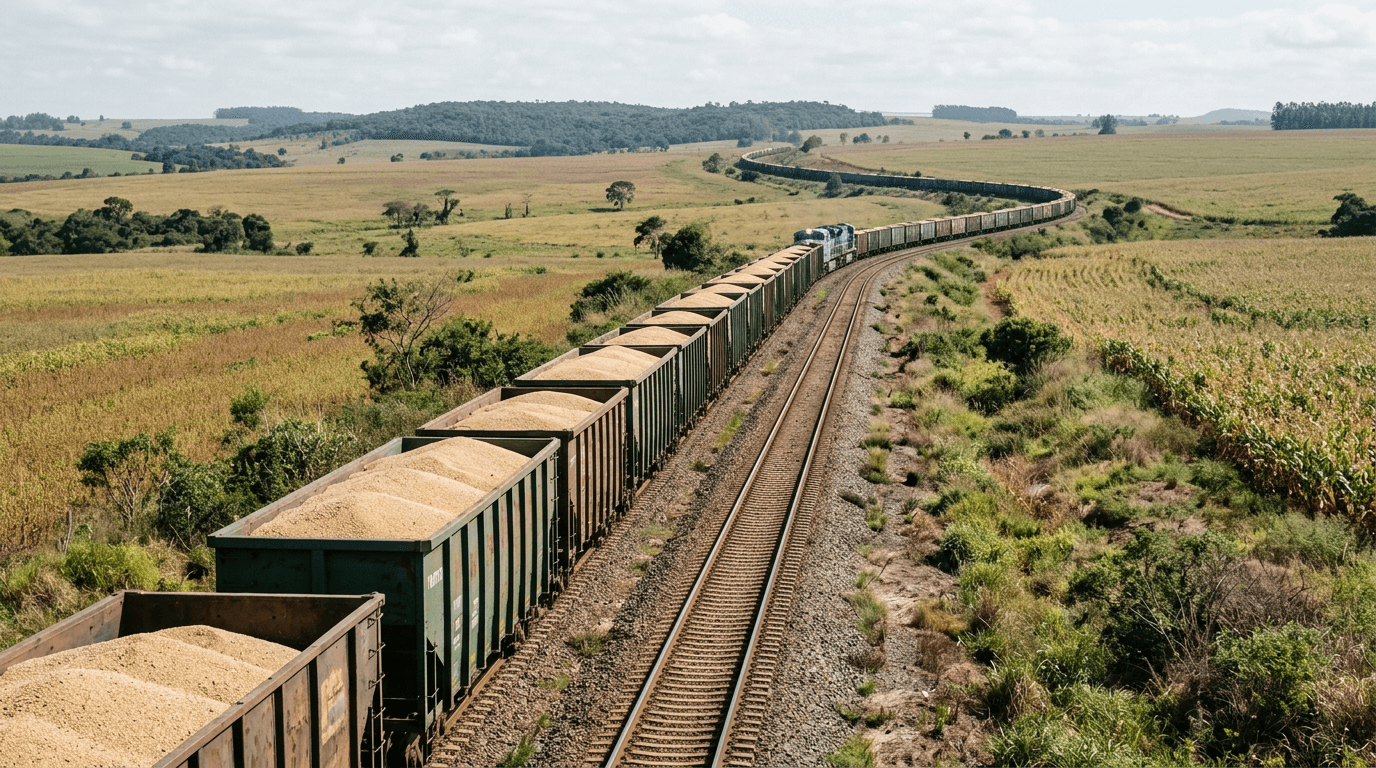
Global investors holding shares in major emerging market funds are seeing a shift in how one of Latin America’s largest industrial groups manages its crown jewels. Brazilian conglomerate Cosan is exploring a major change to the corporate bylaws of its railway operator, Rumo, in an effort to clear the path for a multi-billion-dollar strategic partnership and ease its own balance sheet pressures.
According to a Brazil Journal report on November 11, 2026, Cosan is considering removing Rumo's strict 15% "poison pill" clause. Under Rumo’s current corporate bylaws, any single buyer that acquires more than a 15% stake in the company is legally required to launch a mandatory tender offer for all remaining shares at a steep 25% premium. This defensive mechanism, originally designed to prevent hostile takeovers, has instead become a barrier to friendly, large-scale investments.
By removing this 15% threshold, Cosan aims to facilitate negotiations with major strategic players. The parent company has been actively seeking to sell a 20% to 30% stake in Rumo to optimize its capital structure and pay down holding-level debt. Without the poison pill, a strategic buyer could purchase a substantial, influential stake directly from Cosan without being forced to spend billions more to buy out minority shareholders.
The move comes as Cosan works to streamline its portfolio and lower its leverage. Over the past year, Cosan has engaged in discussions with international and domestic giants—including Mexican mining and infrastructure conglomerate Grupo México, global grain traders Bunge and COFCO, and Brazilian fuel distributor Ultrapar—regarding a potential stake in the railway network. Rumo is a vital logistical artery for the global agricultural supply chain, operating thousands of miles of tracks that carry Brazil’s massive soy and corn harvests from the agricultural heartland to southern export ports.
If the board and shareholders approve the removal of the poison pill, it would mark a significant shift in corporate governance for Rumo, which is listed on the Novo Mercado segment of the Brazilian stock exchange—a tier reserved for companies with the highest standards of shareholder protection. While poison pills protect minority retail investors from hostile creeping takeovers, analysts note that dismantling this specific barrier could unlock immediate value by finally bringing a well-capitalized strategic partner to the table.
In your brokerage app
Cosan is traded on the New York Stock Exchange under the ticker CSAN. US retail investors can also find exposure to the company through broad emerging market and Latin American exchange-traded funds, such as the iShares MSCI Brazil ETF (EWZ), which frequently holds positions in major Brazilian industrial, energy, and logistics operators.


