
MercadoLibre Rivals Face Shifting Landscape as Brazil Retailer Rebounds
Magazine Luiza shares surged following a sharp acceleration in October sales and a major bank upgrade, signaling a shift in Brazil's retail sector.
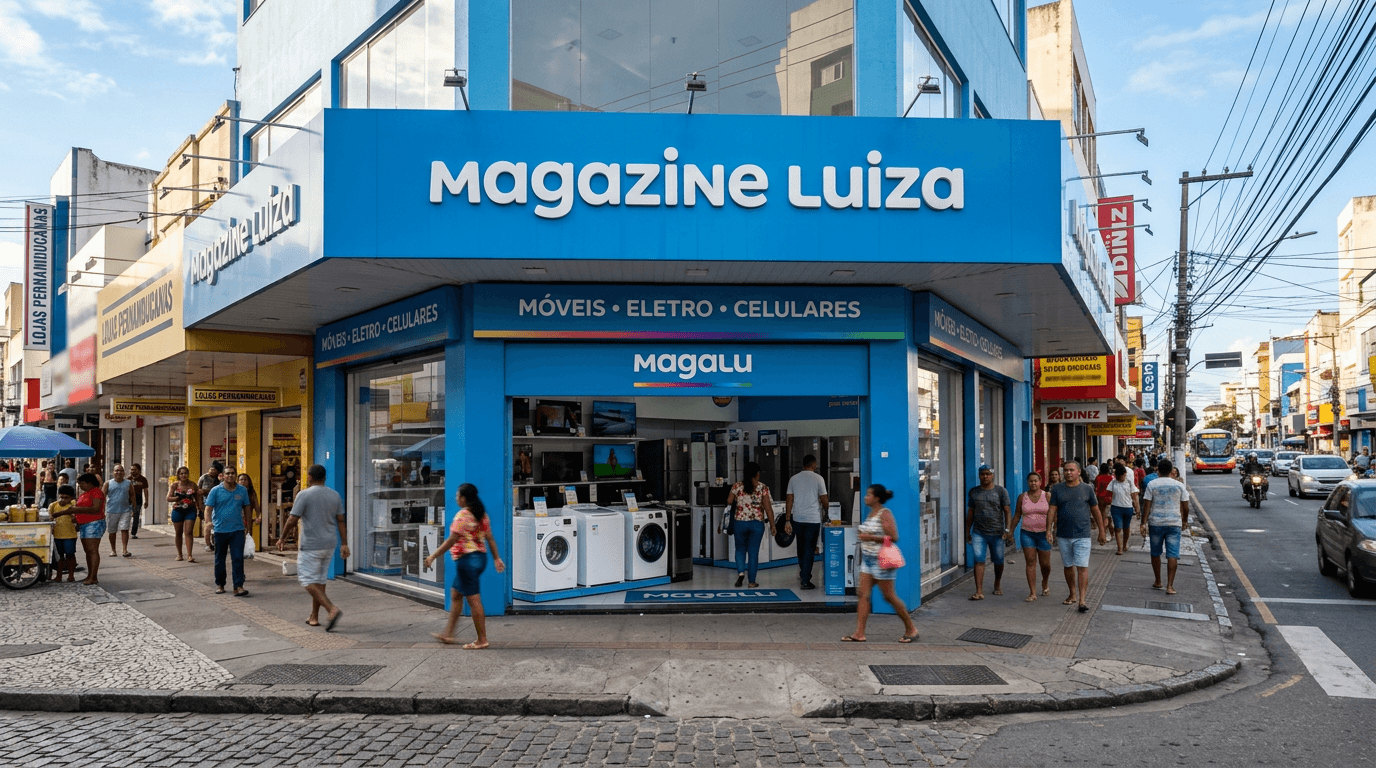
American investors holding shares of Latin American e-commerce giant MercadoLibre have long viewed Brazil as a primary engine of regional growth. However, the competitive landscape in Latin America's largest economy is shifting as a domestic retail champion stages an operational comeback, challenging the dominant digital players.
Brazil-based retail giant Magazine Luiza saw its shares surge on November 10, 2026, following the release of its third-quarter earnings report and highly anticipated preliminary sales data for October. While the company reported an accounting net loss of 10.7 million reais ($1.9 million) for the third quarter ending September 30, its adjusted net income reached 13.9 million reais, according to its Q3 2026 financial report.
The primary catalyst for the market rally was an accompanying material fact filing detailing a sharp acceleration in October sales. Preliminary October figures showed that Magazine Luiza's brick-and-mortar store sales grew 16% year-over-year, up from 12% growth in September. Even more significant for the e-commerce sector, the company's first-party online sales—where it sells its own inventory directly—grew 14% in October, completing a rapid turnaround from a cumulative 12% decline recorded between January and August.
Shifting Competitive Dynamics
This sudden operational pivot prompted Bank of America to issue a rare "double upgrade" on November 10, 2026, raising its investment rating on the stock from underperform straight to buy. Bank of America analysts Robert E. Ford Aguilar and Wellington Santana pointed out that the stock's recent decline was disconnected from its improving fundamentals.
The bank highlighted that Magazine Luiza is aggressively capturing market share from its chief domestic rival, Casas Bahia. Casas Bahia, a household name in Brazilian retail, has been mired in a court-supervised debt restructuring (recuperação judicial) and has shuttered nearly 30% of its physical stores. This competitor's distress has triggered a rapid reallocation of consumer demand toward Magazine Luiza.
Furthermore, Magazine Luiza has expanded its digital reach by listing its inventory directly on major third-party marketplaces, including MercadoLibre and Shopee. This strategic pivot allows the retailer to leverage its massive logistics network and physical stores as distribution hubs while tapping into the high traffic of its digital rivals.
Navigating the High-Interest Rate Drag
Despite the operational momentum, the retail sector in Brazil continues to face macroeconomic headwinds. The central bank's benchmark Selic rate remains elevated, which keeps consumer credit expensive and weighs heavily on corporate financing costs.
Nevertheless, Magazine Luiza's management has successfully shored up its balance sheet. According to its Q3 2026 financial report, the company reduced its gross debt to 5.16 billion reais from 5.95 billion reais a year earlier. It also reported a significant reduction in supplier prepayment transactions, signaling a healthier cash position and less reliance on expensive short-term credit lines as it heads into the crucial Black Friday and holiday shopping season.
In your brokerage app
For investors holding regional exchange-traded funds, these domestic shifts directly impact fund performance. While Magazine Luiza is listed locally in São Paulo under the ticker MGLU3, its performance influences broad Brazil funds. The company is a component of the iShares MSCI Brazil ETF (EWZ), which tracks large and mid-sized Brazilian equities, and the Franklin FTSE Brazil ETF (FLBR), both of which are easily accessible through standard US brokerage accounts.
