
Brazil Braskem Faces Critical Deadline to Avoid Bankruptcy
Petrochemical giant Braskem races to restructure $10.9 billion in debt by an October 9 deadline to prevent a formal bankruptcy filing.
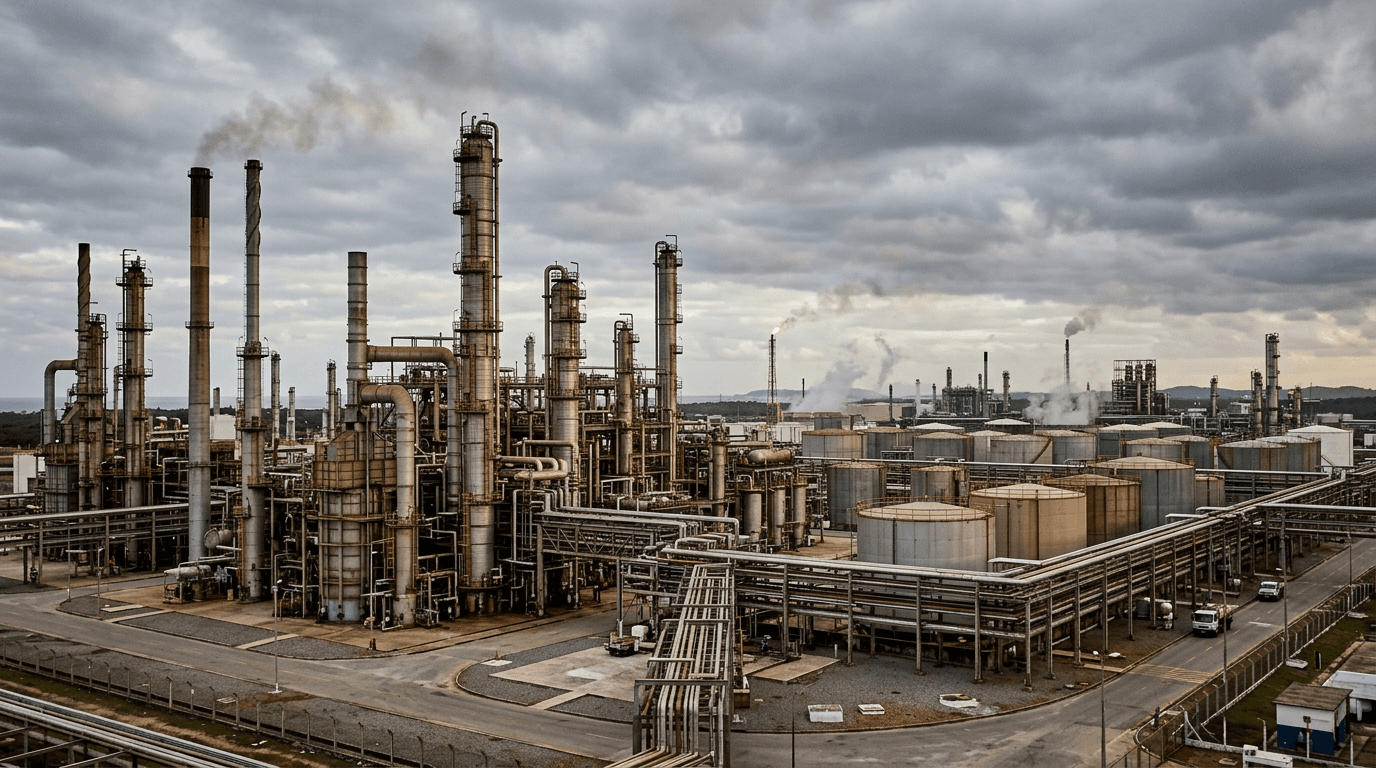
Latin America’s largest petrochemical producer, Braskem, is facing a decisive October 9, 2026, deadline to reach a commercial agreement with its major international creditors. The company is in intense negotiations to restructure R$ 56.5 billion ($10.9 billion) in financial debt under an extrajudicial recovery process. Failure to secure terms with key bondholders and major banks by the end of today could halt the voluntary restructuring and push the company toward a formal, court-supervised bankruptcy filing.
The financial crisis at Braskem stems from a combination of global market pressures and a severe domestic environmental disaster. In 2018, rock salt mining operations conducted by the company in Maceió, the capital of the northeastern state of Alagoas, caused massive soil instability. The resulting geological disaster forced the evacuation of entire neighborhoods, displacing more than 60,000 residents and landing Braskem with billions of dollars in compensation liabilities. This domestic crisis collided with a severe downturn in the global petrochemical sector, where a surge of cheap Chinese resin production eroded profit margins worldwide.
To protect itself from immediate creditor executions, Braskem filed for extrajudicial recovery in August 2026 with the initial backing of 39.6% of its financial creditors. Under Brazilian law, an extrajudicial recovery allows a company to negotiate directly with its financial backers to reorganize its debts outside of court, avoiding a more disruptive judicial bankruptcy. However, the 90-day protection window established in August required the company to hit key milestones, with October 9 set as the final date to lock in the core commercial terms of the restructuring plan.
The negotiations involve Braskem's major controlling shareholders, including Brazil's state-run oil firm Petrobras and the private equity firm FIP Shine I, alongside international bondholders. To bridge the gap, the proposed restructuring terms may include debt-to-equity swaps. While such swaps would reduce the company's massive debt load, they would heavily dilute the holdings of current shareholders.
While the passing of the October 9 deadline does not automatically trigger an immediate liquidation, it represents the limit of the agreed negotiation window. If major creditors refuse to sign on to the commercial terms, the risk of a chaotic judicial recovery or a formal bankruptcy filing increases significantly. The company has stated to Brazilian media outlet g1 that it remains fully committed to finding a consensual and orderly solution to its financial distress.
What it touches
The outcome of these debt negotiations directly impacts Braskem’s publicly traded shares (BRKM5) on the Brazilian B3 exchange, as well as its American Depositary Receipts (ADRs) traded in New York. Because state-controlled oil giant Petrobras (PETR4) is a major shareholder and partner in the petrochemical sector, its financial exposure and strategic decisions are also closely tied to the resolution of Braskem's debt crisis.