

Adecoagro Faces Pressure Under Proposed U.S. Sugar Tariff Surcharge
The USTR proposes a targeted sugar tariff overhaul, replacing a 25% flat duty with high-tier specific levies that threaten South American agri-giants.
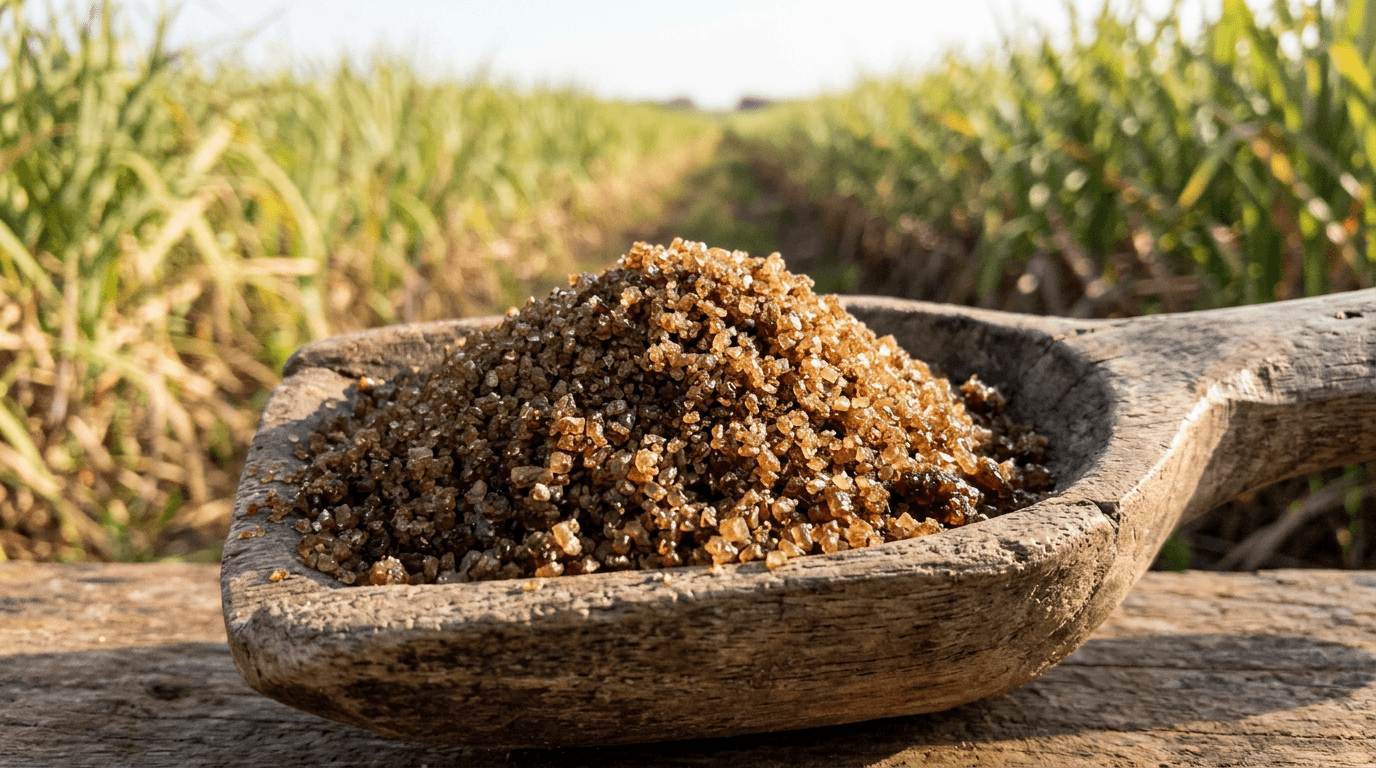
Key takeaways
- U.S. proposes replacing a 25% sugar tariff with specific surcharges of $0.44/kg for raw cane and $0.60/kg for refined sugar, per USTR on November 25, 2026
- New non-discriminatory rules prevent third countries from back-filling the U.S. market with Brazilian sugar, per USTR on November 25, 2026
- U.S.-listed regional producers Adecoagro and Cosan face direct exposure to these proposed export margin hurdles, per market filings on November 25, 2026
American retail investors holding South American agricultural shares could see their export margins squeezed under a new U.S. government proposal to replace a flat tariff with heavy, specific surcharges on imported raw sugar. On November 25, 2026, the Office of the U.S. Trade Representative (USTR) proposed a tariff overhaul that replaces a 25% import duty on out-of-quota Brazilian sugar with hefty physical levies of $0.44 per kilogram for raw cane sugar and $0.60 per kilogram for raw beet and refined sugar.
This targeted overhaul threatens to erode the margins of regional agribusinesses listed on the New York Stock Exchange, most notably Luxembourg-based Adecoagro S.A. and Brazilian conglomerate Cosan S.A., which operate vast sugarcane crushing networks in South America. For companies like adecoagro brazil, which count the United States as a premium-paying destination for out-of-quota agricultural sales, the proposed specific levies represent a significant hurdle to securing high-margin dollar revenues.
The policy shift stems from deep-running trade friction. According to a Poder360 report, Washington is using these modified Section 301 tariffs as leverage to push Brazil to address what U.S. Trade Representative Jamieson Greer called "unreasonable acts, policies, and practices" that undermine American businesses. Because previous flat tariffs did not stem imports of out-of-quota sugar, the USTR has structured the new, specific penalties on a non-discriminatory basis. This mechanism is designed to prevent third-party countries from buying cheap Brazilian sugar to back-fill their own domestic needs while shipping their own untaxed supply to the lucrative U.S. market.
While Adecoagro has increasingly diversified into dairy and grains—reporting solid third-quarter results on November 12, 2026, driven by strong urea and dairy pricing—its sugar, ethanol, and energy segment remains a critical earnings engine. The proposed levies essentially lock high-cost foreign sugar out of the premium U.S. spot market, forcing large regional producers to divert their excess product to lower-priced global markets or shift their production mix toward ethanol.
The timeline for the proposed tariff changes leaves some room for negotiation, though the path ahead remains highly contentious. The USTR announced that public comments are due by December 30, 2026, with a formal public hearing scheduled for January 14, 2027. Brazilian officials have already shown resistance; on November 24, 2026, the country filed a formal request with the World Trade Organization to establish a dispute panel over the preceding July tariffs, a move the U.S. immediately blocked.
In your brokerage app
Investors holding shares of Adecoagro S.A. or Cosan S.A., both listed in New York, should monitor how these agricultural conglomerates adjust their industrial mix in the coming months. Because both companies can adjust their sugarcane crushing to produce either sugar or ethanol depending on global margins, a sudden closure of the high-paying U.S. sugar market may trigger a shift toward local biofuels to protect their bottom lines.
Related coverage
 SQM Slides on Falling Lithium Prices, Dragging Down Chile BenchmarkChilean lithium miner SQM fell on November 25, 2026, as falling metal prices and tariff threats dragged down Chile's benchmark IPSA stock index.
 Chilean Peso Nears 1,046 per Dollar as ECH ETF Faces Deeper SlideA falling Chilean peso and a sharp drop in copper prices to $5.31 per pound have dragged the US-listed iShares MSCI Chile ETF (ECH) toward fresh lows.
 Itaú Enters Low-Income Housing Program to Challenge State DominanceItaú Unibanco is entering Brazil's flagship affordable housing program, Minha Casa Minha Vida, to challenge state-owned lenders in the mortgage market.